 EN
EN

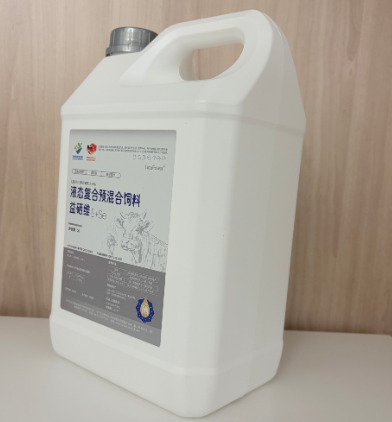
Защо течните витамини осигуряват превъзходна подкрепа на имунната система при птици
Предимство на биодостъпността: Бързо усвояване на витамини А, D3, Е и С чрез доставка с вода
Течните витамини предлагат предимство пред сухите добавки за фураж, като осигуряват почти незабавно абсорбиране чрез питейната вода. Когато птиците пият вода, обогатена с витамини, хранителните вещества като А, D3, Е и С избягват по-бавния и по-малко ефективен процес на храносмилане, необходим за източниците, свързани с фуража. Водоразтворимите витамини – особено витамин С – се абсорбират директно в горната част на стомашно-чревния тракт с минимална деградация, докато маслоразтворимите витамини се възползват от емулгаторите, които обикновено се включват в течните формули. В противовес на това, витамините, прилагани чрез фураж, трябва да издържат гранулирането, екструзията, съхранението и антагонистичните взаимодействия с клетъчна тъкан, фитати или минерали, преди изобщо да достигнат чревния тракт. Това често води до значителна загуба на хранителни вещества преди абсорбирането им. Тъй като доставянето чрез течност не зависи от приема на фураж, то гарантира последователни и висококонцентрирани порции от хранителни вещества точно когато имунитетът е най-изложен на стрес – по време на ваксинация, топлинен стрес или експозиция към патогени. В резултат на това по-ниските концентрации във водата могат да осигурят равни или дори по-високи серумни концентрации в сравнение с по-високите дози, прилагани чрез фураж, което подобрява икономичността и намалява отпадъците.
Фармакокинетични доказателства срещу допълване чрез храната: стабилни плазмени концентрации и намалено взаимно влияние
Фармакокинетичните проучвания потвърждават, че течните витамини осигуряват по-стабилни и предсказуеми плазмени концентрации в сравнение с формите, добавяни към фуражите. Приемът на фураж е по своята същност променлив – особено при болни или стресирани птици – което води до непоследователно дозиране и неравномерна наличност на хранителни вещества. Течното допълване елиминира тази променливост: витамините А и D3, прилагани чрез водата, достигат максимални плазмени концентрации за 2–4 часа, в сравнение с 12–24 часа при еквивалентните фуражни форми, и то при значително по-високи концентрации. Фармакокинетично проучване от 2021 г. установило, че течният витамин D3 осигурява с 40% по-високи циркулиращи нива на 25(OH)D3 в сравнение с еквивалентната доза, прилагана чрез фураж. Липсата на диетично влияние – като фитати, фибра или хелация на минерали – допълнително подобрява биодостъпността. Тази надеждност е от решаващо значение за имунната функция: постоянният достъп до витамини поддържа продължителна синтеза на антитела, активация на макрофаги и цялостността на епитела. За високопродуктивните стада, работещи в тесни маржови граници, фармакокинетичната последователност се превръща директно в гарантирена готовност на имунната система.
Целенасочени имунни механизми, подобрени чрез ключови течни витамини
Течните витамини подобряват имунитета не само чрез подобреното им доставяне, но и чрез целенасочено въздействие върху специфични физиологични пътища с висока точност и скорост. Водоразтворимата им формула осигурява бързо и равномерно разпределение към имунните тъкани, без забавянията и загубите, свързани с абсорбцията чрез фураж.
Витамин А и мукозалният имунитет: Усилване на червашката и дихателната бариера при бройлъри и носачки
Витамин А е основен за мукозалната имунитет, като поддържа цялостта на епитела както в стомашно-чревния, така и в дихателния тракт. Той стимулира диференциацията на клетките на глобуларните жлези и производството на слуз – ключови компоненти на физическия бариер срещу патогени. При бройлъри допълването с течностен витамин А увеличи височината на вилусите с 18 % и активира протеините на плътните връзки, намалявайки проницаемостта на червата и предразположеността към кокцидиоза. При търговски яйценосни кокошки той се свързва с 12 % намаляване на избухванията на респираторни заболявания в сравнение с контролите, получаващи витамин А чрез фураж. От особено значение е, че течната форма избягва колебанията в приема на храна – които са чести при стрес или болест – и осигурява непрекъснато подкрепа за мукозалните повърхности точно когато те са най-уязвими. Тази прецизност помага да се предотврати колонизацията от патогени и вторичните инфекции, укрепвайки имунитета в първата му линия на защита.
Модулиране на вродения имунитет от витамин D3: потискане на провъзпалителните цитокини в макрофагите
Витамин D3 функционира като мощен имуномодулатор при птици, особено в макрофагите. След свързване с рецепторите за витамин D той намалява нивата на провъзпалителни цитокини – включително IL-6 и TNF-α – и предотвратява излишната възпалителна реакция, която нарушава растежа и функцията на тъканите. Течният витамин D3 се абсорбира почти напълно в рамките на два часа и бързо повишава системните нива на 25(OH)D3, за да оптимизира отговорността на макрофагите срещу Салмонела и E. coli . Полеви данни от търговски операции с яйценосни кокошки показват 24% намаление на смъртността поради бактериални инфекции и подобряване на здравината на яйчената черупка след използване на течен D3. Чрез умеряване на цитокиновите бури, без да се компрометира елиминирането на патогените, течният витамин D3 подпомага балансиран, метаболично ефективен вроден имунен отговор – което директно свързва имунната устойчивост с производствените резултати.
Реални резултати от практиката: смъртност, ефикасност на ваксините и производствени придобивки при използване на течни витамини
Резултати от полеви изпитания: по-ниска смъртност, по-високи титри на антитела и подобрен конверсионен коефициент на храната (FCR) в търговски стада
Търговските полеви изпитания в операциите с бройлъри и яйценосни кокошки последователно показват измерими подобрения при използване на програми с течни витамини. През периодите на максимален стрес – като например летните вълни от горещина или прозорците след ваксинация – смъртността намалява с 15–25%. Титрите на антителата нарастват по-бързо и достигат по-високи върхове, което скъсява времето за сероконверсия и засилва ефикасността на ваксините – особено при ваксините срещу новокастълска болест и инфекциозен бронхит. Коефициентът за преобразуване на фураж (FCR) се подобрява с до 8 точки при обработените ята, което се дължи на намалена имунна „отклонена“ употреба на ресурси и по-постоянно ниво на хранителни микронутриенти. Тъй като приемът на вода остава относително стабилен – дори когато приемът на фураж намалее – течните витамини осигуряват непрекъснато доставяне на микронутриенти. Резултатът е по-здрави ята, по-ниско използване на медикаменти и по-голяма предсказуемост относно набирането на тегло, продължителността на яйценосенето и еднородността на ятата.
Предотвратяване на субклинична дефицитна имунносупресия чрез прецизно хранене с течни витамини
Субклиничните витаминни дефицити са широко разпространени при високопродуктивни птици — те подкопават имунната способност дълго преди да се проявят клинични признаци. Тези гранични недостатъци намаляват ефективността на ваксинационните отговори, увеличават уязвимостта към опортюнистични патогени и допринасят за рязко повишаване на смъртността в късните стадии. Течните витамини предлагат точно и регулируемо решение: дозирането се нагласява според реалните нужди — независимо дали става дума за топлинен стрес, налягане от заболявания или промени в храненето — и се осъществява отделно от хранителния канал. Например 5%-ово намаляване на храненето поради лек топлинен стрес може вече да компрометира статуса на витамин А и Е, но това остава незабелязано без анализ на кръв или черен дроб. Доставката чрез водорастворима форма гарантира, че всяка птица получава предвидената доза, като се поддържат защитните прагове за ключови храни като D3 и Е. Интегрираните производствени операции съобщават за намаляване до 40 % на маркерите за субклиничен дефицит — измерени чрез серумния 25(OH)D3 и α-токоферол — в рамките на две седмици след преминаване към течни програми. Този проактивен, базиран на данни подход предотвратява постепенното изтощаване на имунните защити и предоставя на производителите проверен и мащабируем метод за поддържане на базовата имунна защита без прекомерно допълване.
Често задавани въпроси
Защо течните витамини са по-добри за подкрепа на имунната система при птиците?
Течните витамини се абсорбират по-бързо и по-ефективно чрез водата в сравнение с храната, което води до по-висока биодостъпност и по-равномерно доставяне. Това е особено полезно по време на стрес, ваксинация или излагане на патогени.
Как влияят течните витамини върху профилактиката на заболявания?
Чрез целенасочено въздействие върху имунните механизми течните витамини укрепват барьерите в червата и дихателната система, регулират възпалителните процеси и насърчават уравновесени имунни отговори, намалявайки уязвимостта към инфекции като кокцидиоза и бактериални патогени.
Могат ли течните витамини да подобрят продуктивността на птиците?
Да, течните витамини подобряват производствените показатели като конверсия на фураж (FCR), прирастване на тегло, титри на антитела и продължителност на яйценосен период чрез поддържане на постоянни нива на хранителни вещества дори при намаляване на приема на фураж.
Какви доказателства подкрепят използването на течни витамини в комерсиалното отглеждане на птици?
Научни изследвания и полеви изпитания показват подобрения в нивата на хранителните вещества в плазмата, по-ниска смъртност, по-силна ефективност на ваксините и намалени субклинични дефицити при течна допълнителна подкрепа в сравнение с витамините, добавяни към фуражите.
Съдържание
- Защо течните витамини осигуряват превъзходна подкрепа на имунната система при птици
- Целенасочени имунни механизми, подобрени чрез ключови течни витамини
- Реални резултати от практиката: смъртност, ефикасност на ваксините и производствени придобивки при използване на течни витамини
- Предотвратяване на субклинична дефицитна имунносупресия чрез прецизно хранене с течни витамини
-
Често задавани въпроси
- Защо течните витамини са по-добри за подкрепа на имунната система при птиците?
- Как влияят течните витамини върху профилактиката на заболявания?
- Могат ли течните витамини да подобрят продуктивността на птиците?
- Какви доказателства подкрепят използването на течни витамини в комерсиалното отглеждане на птици?