 EN
EN

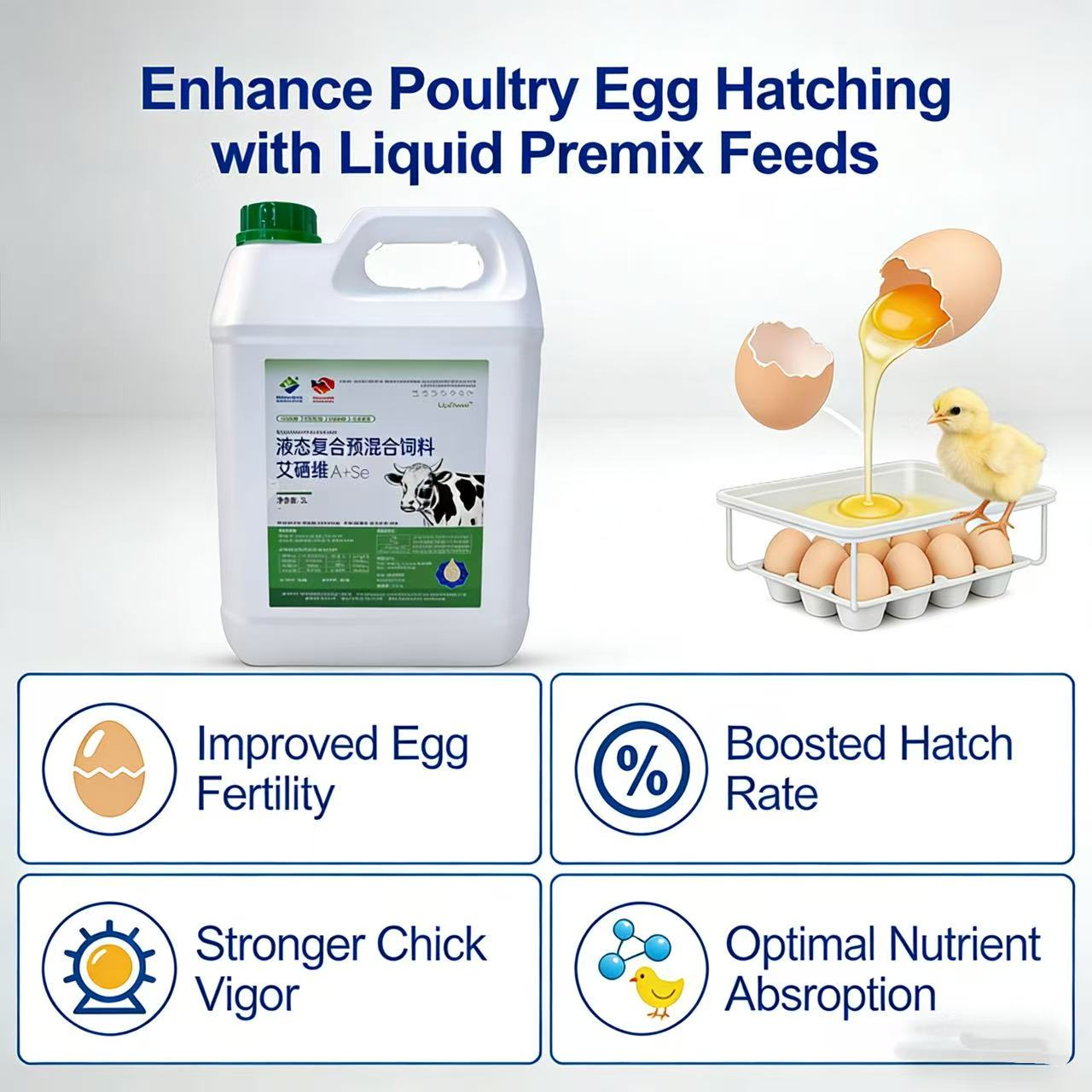
Selecting and Pre-Screening High-Quality Hatching Eggs
Key Physical Criteria: Weight, Shell Integrity, and Flock Age Effects on Hatchability
The ideal weight range for hatching eggs is somewhere between 50 and 65 grams. Eggs that are too light simply don't have enough nutrients stored inside to support proper embryo growth throughout incubation. On the flip side, when eggs get too big they run into problems with oxygen getting through to the developing chick in those final weeks. When selecting eggs, look for ones with shells that feel consistent all over and aren't bumpy or rough to the touch. Shells with bumps, ridges, or thin areas can let bacteria in much easier, increasing infection risks by around 30 percent according to USDA guidelines on poultry biosecurity. Age of the flock makes a real difference too. Hens between 28 and 50 weeks old tend to lay eggs that hatch successfully at a rate 5 to 15 percentage points higher than what we see from either younger birds or older ones past their prime. For flocks beyond 60 weeks of age, early embryo deaths jump up by about 20%, mostly because the egg whites start breaking down faster and the yolk membranes become weaker over time.
Candling and Visual Inspection for Micro-Cracks, Shape Defects, and Early Embryo Viability
Advanced candling detects micro-cracks (<0.1mm) invisible to the naked eye—responsible for approximately 25% of incubation failures (Poultry Science, 2022). When inspecting under focused light, look for:
- Misshapen eggs (excessively spherical or elongated), which correlate with malposition deaths and impaired gas exchange;
- Blood rings, indicating early embryonic death before vascularization;
- Air cell displacement or irregularity, often signaling improper storage or prolonged holding.
Trained technicians discard eggs with free-floating yolks, detached blastodiscs, or absent vascular networks. Modern operations increasingly rely on high-resolution candling systems for objective viability assessment before incubation—comprehensive candling techniques integrate AI-assisted imaging to improve consistency and reduce subjective error.
Optimal Storage of Hatching Eggs to Maintain Embryo Viability
Temperature, Humidity, and Duration Limits (50–60°F, ¢7 Days) for Preserving Hatching Eggs
Getting the storage conditions right matters a lot for keeping embryos viable without causing problems like premature development or chilling injuries. The temperature needs to stay within a pretty tight window of around 50 to 60 degrees Fahrenheit (that's about 10 to 16 degrees Celsius). This range keeps the metabolic processes slowed down but still maintains cell structure integrity. For humidity levels, aim for somewhere between 50 and 60 percent relative humidity. This helps prevent moisture from escaping through the eggshell while also stopping condensation from forming inside, which can lead to all sorts of unwanted microbial growth. Eggs laid by younger hens tend to handle longer storage periods better because their albumen has a stronger structure overall. However, going past seven days in storage starts to affect hatch rates even when everything else looks perfect temperature-wise. We've seen hatchability drop by roughly half a percent each additional day beyond this seven day mark.
Positioning Best Practices: Large-End-Up Storage and Post-Shipment Rest Protocol
When storing hatching eggs, keep them with the big end up so the air cell stays intact and prevents the yolk from sticking to the shell membrane. This position works best for proper gas exchange and helps position the embryo correctly inside. Once they arrive after transportation, give them about 12 hours at room temperature around 68 to 72 degrees Fahrenheit before putting them into the incubator. This resting time allows those delicate inner membranes to settle down after being jostled around and exposed to different temperatures, which can cut down on early embryo deaths by roughly 8 percent according to some studies. Don't move these eggs around much while they're stored either. Moving them back and forth too often risks the blastodisc coming loose, which pretty much guarantees problems later on in development.
Precision Incubation Management for Consistent Hatching Eggs Performance
Critical Environmental Parameters: Stable Temperature, Adaptive Humidity, and Ventilation Control
For successful embryo development, maintaining stable environmental conditions is absolutely critical. The temperature needs to stay pretty much right around 99.5 degrees Fahrenheit, give or take about a quarter degree. If it goes outside that range by half a degree or more, hatch rates drop significantly - research from Poultry Science in 2023 shows about a 15% reduction in overall hatchability when temperatures drift too far. When it comes to humidity levels, there are specific requirements depending on the stage. For the first 18 days, keeping it between 50 to 55% relative humidity helps with proper weight loss and membrane formation. Then things change at day 19 when we need to bump it up to somewhere between 65 and 70% to make sure the chicks can pip through the shell and actually hatch. Fresh air circulation matters too. Each egg needs at least 0.03 cubic meters of fresh air every hour to keep carbon dioxide levels under control. Once CO2 gets above 0.3%, problems start showing up, and concentrations over 0.5% increase late stage deaths by about 30%. This is where automated incubation systems really shine. These modern setups have sensors constantly monitoring conditions and making adjustments on the fly. According to industry reports, facilities using these systems see roughly 22% fewer embryo losses compared to those relying solely on manual checks and adjustments.
| Parameter | Optimal Range | Impact of Deviation |
|---|---|---|
| Temperature | 99.5°F &±0.25°F | >±0.5°F: 15% hatch decline |
| Humidity (Days 1-18) | 50–55% | ±5% error: 12% weaker chicks |
| CO₂ Concentration | <0.3% | >0.5%: 30% mortality risk |
Calibration, Lockdown Timing, and Handling Discipline to Maximize Hatching Eggs Success
Getting those temperature, humidity, and carbon dioxide sensors calibrated every day matters a lot actually. We're talking about accuracy down to 0.1%, which might seem small but makes all the difference. Without proper calibration, roughly one out of five hatch failures could be avoided if only someone checked those instruments first. Around day 19 is when things get really delicate. Stop the turning process completely, bump up humidity levels somewhere between 65 and 70 percent, and keep people away from the area as much as possible. Stress can cause cortisol spikes in those little embryos, so it's worth the extra effort. For staff working with these protocols, basic hygiene starts with clean hands before touching anything. Move eggs as little as possible and watch out for vibrations stronger than half a gravity unit. Believe it or not, simple things like dropping a tray or leaving carts loose can create problems far beyond what most folks realize. Facilities that have switched to automated lockdown systems tend to see about 95% success rates in hatching because they eliminate those pesky timing mistakes and inconsistent procedures during this crucial phase of development.
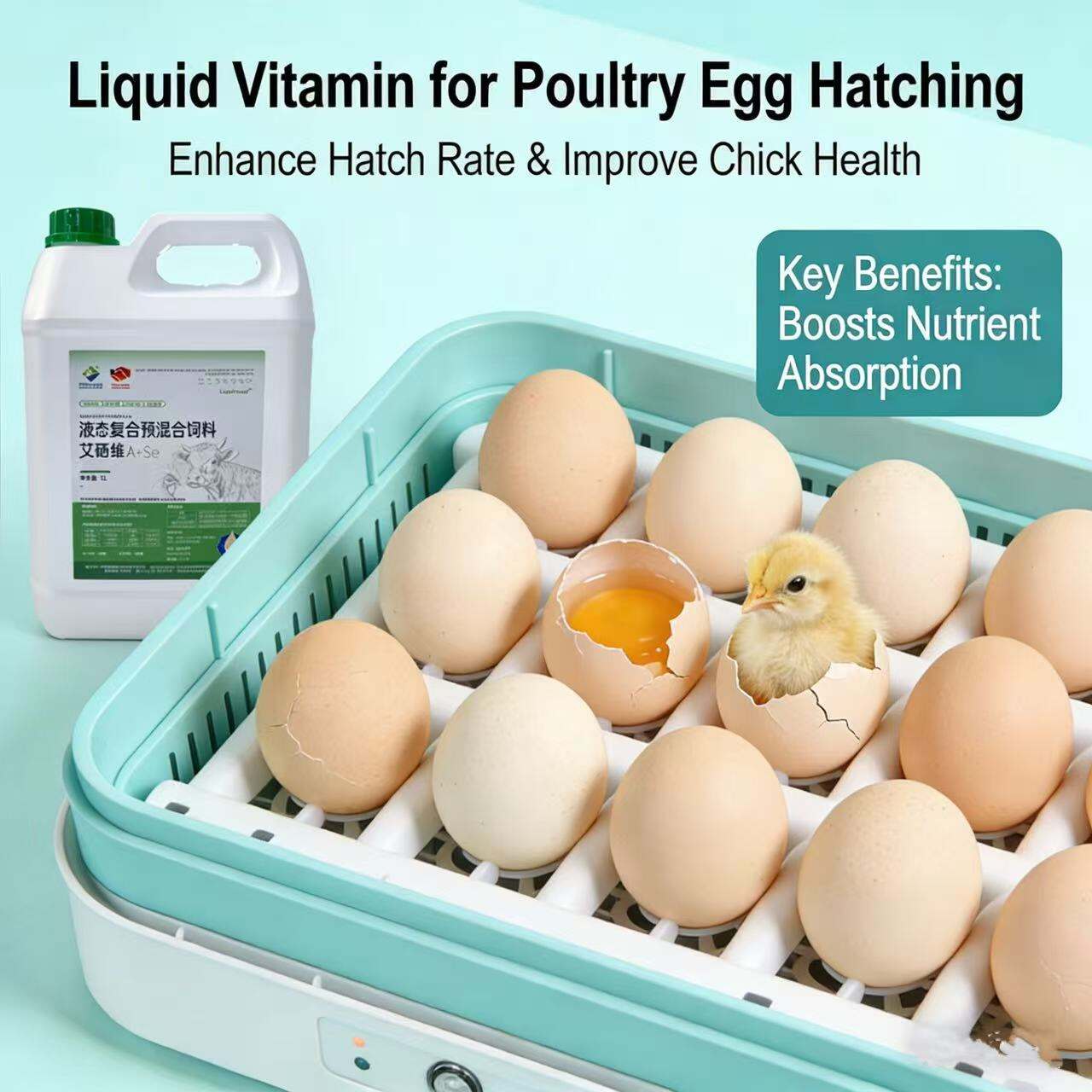
Diagnosing and Preventing Embryo Mortality in Hatching Eggs
When it comes to embryo loss during incubation, there are really two main periods where problems tend to happen. The first spike usually shows up within the first week, often because the eggs weren't stored properly. Temperature fluctuations, keeping them too long before setting, or even rough handling can all contribute to these early losses. Then there's another wave of issues right around day 15 to 21 when things go wrong during actual incubation. This second round is commonly caused by mistakes in managing the environment inside the incubator such as inconsistent humidity levels, poor air circulation, or not locking down the eggs at the right time. Looking closely at what happens with unhatched eggs gives valuable clues about what went wrong. Early failures often leave behind telltale signs like blood rings or underdeveloped blood vessels, whereas later losses typically involve fully developed chicks that just couldn't make that final push to break out or were positioned incorrectly inside their shells. Instead of just treating symptoms, effective solutions focus on fixing underlying problems. Adjusting temperature sensors, fine tuning how humidity changes over time, making sure proper rest periods are maintained between checks, and improving inspection techniques all address the real causes of these losses. Regular examination of failed eggs establishes something like a feedback loop for hatchery operations. This ongoing process allows for gradual improvements in hatch rates as staff learn from each batch and adjust their methods based on actual results rather than guesswork.