 EN

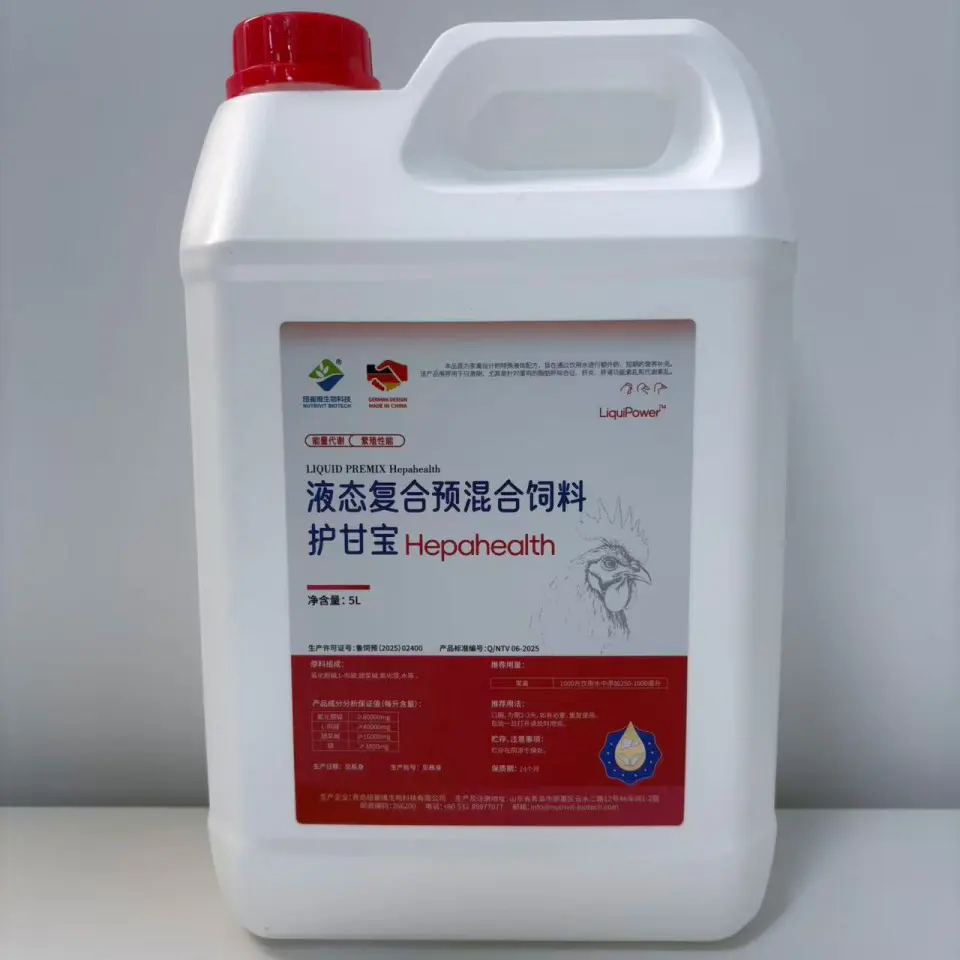
Foundations of Liver Metabolism in Livestock
The liver is the metabolic command center for livestock, directing nutrient partitioning, detoxifying harmful compounds, and sustaining systemic energy balance. Key pathways include gluconeogenesis—converting propionate, amino acids, and glycerol into glucose—critical for milk synthesis and fetal development. In ruminants, the liver detoxifies portal ammonia by converting it to urea, preventing neurotoxicity. It also oxidizes fatty acids to meet its own high energy demands—accounting for ~25% of whole-body oxygen consumption in beef steers—and packages excess lipids into very-low-density lipoproteins (VLDL) for export. When export capacity is overwhelmed—especially during negative energy balance—lipid accumulates in hepatocytes, impairing function. The liver further regulates amino acid metabolism and synthesizes acute-phase proteins during immune challenge. These processes are highly plastic, shaped by diet, physiological state, and health. A clear understanding of normal liver metabolism establishes the foundation for targeted nutritional strategies that enhance detoxification, metabolic resilience, and productivity.
Antioxidant Supplements That Support Hepatic Redox Balance and Mitochondrial Function
Maintaining liver metabolism in high-performing livestock requires robust antioxidant defenses to counteract oxidative stress. Key supplements target hepatic redox balance and mitochondrial integrity, enhancing overall metabolic efficiency.
Vitamin E and Selenium: Synergistic Protection Against Oxidative Damage in Liver Metabolism
Vitamin E, a fat-soluble chain-breaking antioxidant, protects hepatocyte membranes from lipid peroxidation, while selenium serves as an essential cofactor for glutathione peroxidase (GPX) enzymes that neutralize hydrogen peroxide and lipid hydroperoxides. Their synergy amplifies cellular defense: vitamin E halts free radical chain reactions, preserving membrane integrity, while GPX enzymes convert peroxides to water and alcohol—directly lowering oxidative load. In cattle, vitamin E supplementation has demonstrated superior efficacy over CoQ10 and vitamin C in maintaining redox balance under heat stress, with associated improvements in embryo development (Maddahi et al., 2024). This synergy is especially critical during early lactation, when heightened metabolic demand increases reactive oxygen species production and risks hepatic lipidosis and impaired detoxification. Deficiency in either nutrient compromises mitochondrial ATP production and liver function. Co-supplementation ensures sustained hepatic detoxification capacity and supports efficient energy metabolism.
Polyphenol-Based Activators (Curcumin, Resveratrol) of the Nrf2 Pathway in Livestock Liver Metabolism
Polyphenols such as curcumin and resveratrol activate the nuclear factor erythroid 2–related factor 2 (Nrf2) pathway—the master regulator of endogenous antioxidant and phase II detoxification gene expression. By modifying Keap1, they promote Nrf2 nuclear translocation, upregulating genes encoding glutathione S-transferase, NAD(P)H quinone oxidoreductase 1, and other cytoprotective enzymes. This enhances the liver’s capacity to neutralize electrophiles and reactive oxygen species while supporting mitochondrial biogenesis and function. In livestock, dietary curcumin has been shown to elevate hepatic glutathione levels and reduce markers of oxidative stress, improving metabolic resilience. Resveratrol complements this action with anti-inflammatory effects that preserve mitochondrial membrane potential and respiratory efficiency. Though dose- and species-dependent, these polyphenols collectively strengthen hepatic redox balance during metabolic stress—making them valuable tools for optimizing liver metabolism in high-demand production phases.
Methyl Donors and Gluconeogenic Aids for Optimal Liver Metabolism in High-Performance Livestock
Choline, Betaine, and Folate in Preventing Hepatic Lipid Accumulation During Early Lactation
The transition to early lactation triggers rapid adipose tissue mobilization, often overwhelming hepatic fatty acid oxidation and VLDL export capacity—leading to triacylglycerol accumulation and compromised liver function. Methyl donors intervene at two critical nodes: choline is required for phosphatidylcholine synthesis, a structural component of VLDL essential for lipid export; betaine and folate support homocysteine remethylation to methionine, enabling sustained carnitine production—necessary for mitochondrial fatty acid transport and β-oxidation. Rumen-protected choline supplementation has been shown to reduce hepatic triacylglycerol content by up to 40% during peak risk periods, directly preserving metabolic function and reducing the incidence of subclinical fatty liver.
Propionate Precursors and Their Role in Sustaining Glucose Synthesis and Liver Metabolism Efficiency
In high-yielding livestock, dietary glucose is insufficient to meet demands for lactose synthesis and maintenance, rendering hepatic gluconeogenesis indispensable. Propionate—the primary gluconeogenic precursor derived from ruminal fermentation—is converted to glucose via the succinate pathway in hepatocytes. Direct supplementation with calcium or sodium propionate bypasses variable rumen fermentation, delivering a reliable, rapidly absorbed substrate. This spares amino acids from catabolism, reducing ammonia generation and conserving protein for productive purposes. Resulting improvements include higher blood glucose, lower circulating ketones (e.g., β-hydroxybutyrate), and greater metabolic stability—directly supporting milk yield and reinforcing the liver’s central role in whole-body energy homeostasis.
Hepatoprotective Botanicals That Modulate Detoxification Enzymes and Liver Metabolism Resilience
Silymarin from Milk Thistle: Evidence for Phase II Enzyme Induction and Oxidative Stress Mitigation
Silymarin—a standardized flavonolignan complex from Silybum marianum—enhances liver metabolism resilience through dual mechanisms: induction of phase II detoxification enzymes (e.g., glutathione S-transferase and UDP-glucuronosyltransferase) and direct mitigation of oxidative stress. By accelerating toxin conjugation and excretion, silymarin reduces hepatocellular burden during metabolic challenges such as early lactation, heat stress, or mycotoxin exposure. It scavenges reactive oxygen species and elevates endogenous antioxidants—including superoxide dismutase and reduced glutathione—thereby protecting mitochondrial integrity and enzyme function. Clinical evidence from human studies—including a 2010 meta-analysis confirming significant reductions in serum transaminases—supports its hepatoprotective mechanism. In livestock trials, inclusion at 0.5–1.0 g/kg feed consistently lowers hepatic lipid peroxidation and maintains normal liver enzyme profiles, affirming its practical utility in safeguarding metabolic performance under stress.
FAQ
What are the key functions of the liver in livestock?
The liver in livestock is responsible for metabolic processes such as nutrient partitioning, detoxification of harmful compounds, gluconeogenesis, fatty acid oxidation, and synthesis of acute-phase proteins.
How do Vitamin E and Selenium help maintain liver health in livestock?
Vitamin E and selenium work synergistically to counter oxidative damage in hepatocytes. Vitamin E prevents lipid peroxidation, while selenium supports enzymes that neutralize oxidative stress, enhancing liver detoxification capacity and energy efficiency.
What role do methyl donors play in preventing liver damage during lactation?
Methyl donors like choline, betaine, and folate play crucial roles in lipid export and mitochondrial fatty acid oxidation, preventing lipid accumulation and supporting liver function during early lactation.
How do polyphenols such as curcumin and resveratrol enhance liver function in livestock?
Curcumin and resveratrol strengthen antioxidant defenses by activating the Nrf2 pathway, boosting detoxification and mitochondrial efficiency. These polyphenols help improve liver resilience during metabolic stress phases.
What is silymarin, and how does it benefit livestock liver metabolism?
Silymarin, derived from milk thistle, supports liver metabolism by inducing detoxification enzymes and reducing oxidative stress, enhancing hepatocellular resilience and mitochondrial function.
Table of Contents
- Foundations of Liver Metabolism in Livestock
- Antioxidant Supplements That Support Hepatic Redox Balance and Mitochondrial Function
- Methyl Donors and Gluconeogenic Aids for Optimal Liver Metabolism in High-Performance Livestock
- Hepatoprotective Botanicals That Modulate Detoxification Enzymes and Liver Metabolism Resilience
-
FAQ
- What are the key functions of the liver in livestock?
- How do Vitamin E and Selenium help maintain liver health in livestock?
- What role do methyl donors play in preventing liver damage during lactation?
- How do polyphenols such as curcumin and resveratrol enhance liver function in livestock?
- What is silymarin, and how does it benefit livestock liver metabolism?