 EN
EN

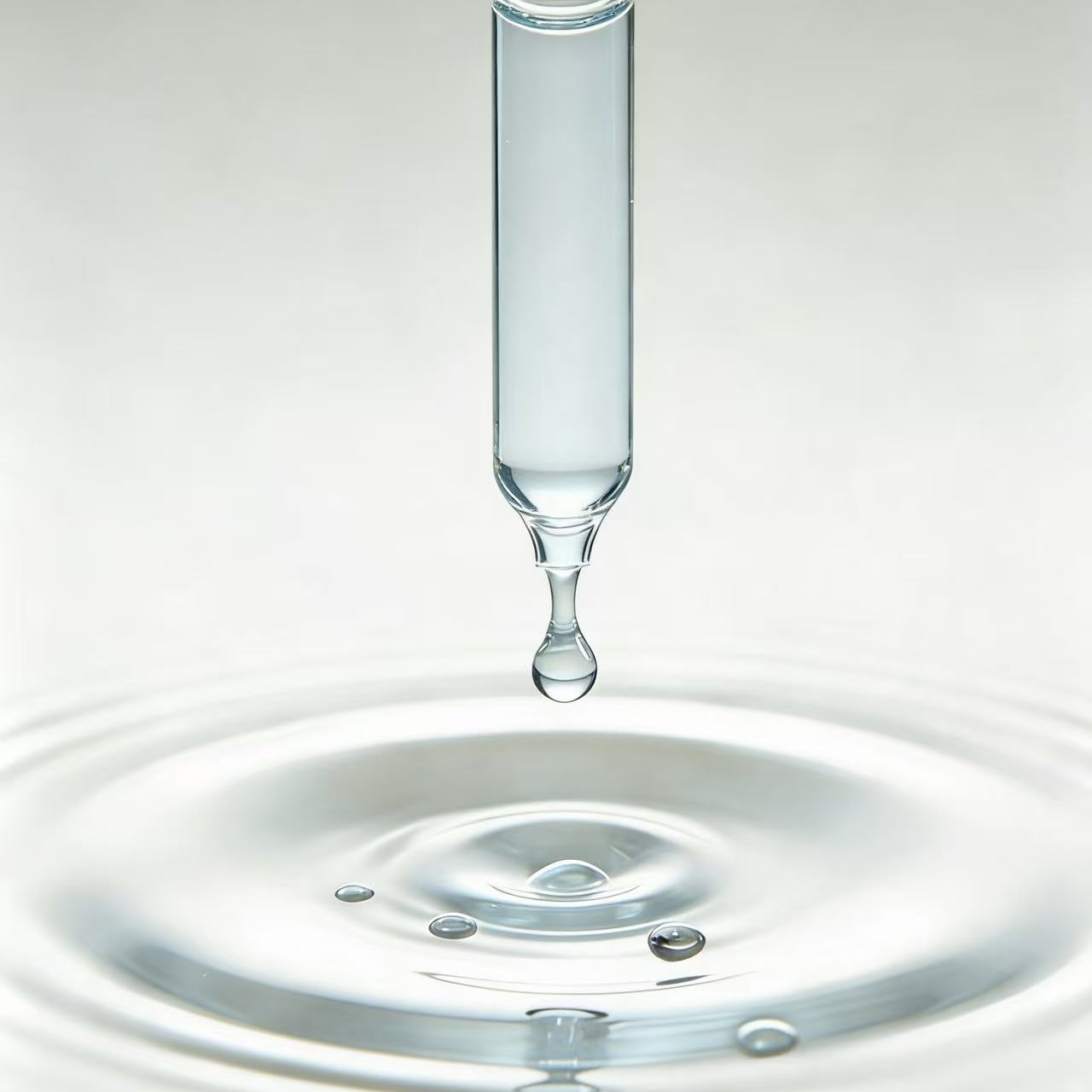
Why Water Is a Strategic Delivery Route for Nutritional Supplements
Advantages over Feed-Based Supplementation: Uniform Intake, Real-Time Adjustments, and Stress-Free Administration
Water-based delivery of nutritional supplements ensures uniform intake across a livestock population—unlike feed, where dominant animals may overconsume while others under-dose. Every animal receives the same concentration per liter of water consumed, supporting consistent dosing without behavioral bias. This method enables real-time protocol adjustments: a farm manager can initiate or discontinue supplementation within a single watering cycle, bypassing the delays inherent in custom feed formulation, production, and delivery. Critically, sick or stressed animals often reduce feed intake—but continue drinking water, sometimes increasing consumption during heat stress. That makes water the most reliable and rapid conduit for delivering timely nutritional support when animals are most vulnerable, eliminating labor-intensive individual administration.
Critical Constraints: Solubility, Stability, Palatability, and Supplement-Water Chemistry Interactions
Successful water-based supplementation hinges on four interdependent factors. First, solubility: poorly soluble compounds precipitate, causing uneven dosing and risking line clogs. Second, stability: vitamins (especially C and B-complex) and certain amino acids degrade rapidly in water when exposed to light, heat, or incompatible pH levels. Third, palatability is non-negotiable—any off-taste risks reduced water intake, undermining the entire intervention. Fourth, water chemistry interactions—such as high mineral content triggering complexation or precipitation—can neutralize active ingredients or damage delivery infrastructure. A robust strategy must proactively address all four variables; otherwise, supplementation becomes costly and ineffective.
Water Quality Factors That Impact Nutritional Supplement Efficacy
pH, TDS, and Hardness: Effects on Vitamin Degradation and Mineral Precipitation
Water pH strongly influences supplement stability: alkaline conditions (pH > 8.0) accelerate vitamin C degradation—exceeding 40% loss within 8 hours—while acidic water (pH < 5.5) promotes mineral leaching from pipes and tanks. Total dissolved solids (TDS) above 1,000 mg/L indicate high ionic strength, which reduces solubility of fat-soluble vitamins and precipitates trace minerals like zinc and selenium before ingestion. Hardness—driven by calcium and magnesium carbonates—poses a direct bioavailability risk: calcium binds phosphate-based supplements, forming insoluble complexes that pass unabsorbed through the gut. Field evidence confirms the impact: correcting hardness from 300 mg/L to 100 mg/L improved selenium bioavailability by 18% in dairy cows (2021 trial). Consistent monitoring of pH, TDS, and hardness is essential to preserve potency and absorption.
Common Contaminants (Nitrates, Sulfates, Algal Toxins) That Disrupt Absorption of Vitamins C and B-Complex
Nitrates, sulfates, and algal toxins impair both the stability of water-delivered supplements and their intestinal absorption. Nitrate levels above 50 ppm compete with vitamin C for gut transporters, reducing uptake by up to 25% in poultry. Sulfate concentrations exceeding 500 mg/L induce osmotic diarrhea, flushing out B-complex vitamins before absorption. Cyanobacterial toxins—like microcystin-LR—damage intestinal epithelial cells, disrupting active transport of B₁ and B₂. A 2022 swine survey found that 2 µg/L microcystin-LR lowered plasma vitamin B₁₂ by 30% within two weeks. These contaminants also catalyze oxidation or form inactive complexes in solution, further diminishing efficacy. Routine water testing and targeted mitigation—such as activated carbon filtration for algal toxins—are critical safeguards.
Species- and Stage-Specific Nutritional Supplement Requirements
Dairy Cattle: Transition Period Needs—Zinc, Selenium, and Vitamin E via Water vs. Bolus Delivery
During the transition period—the three weeks before and after calving—dairy cattle face peak oxidative stress and immune suppression, yet appetite fluctuates unpredictably. Water-based delivery overcomes this variability, enabling precise, real-time dosing of zinc, selenium, and vitamin E. Unlike boluses, which produce erratic plasma peaks and troughs, water-soluble protocols sustain steady tissue levels. Chelated zinc methionine (360–500 mg/head/day) supports continuous keratin synthesis and hoof integrity; selenium yeast at 0.3 ppm maintains glutathione peroxidase activity without toxicity risk; and micellized vitamin E (1,000 IU/day) preserves antioxidant status and aids placental expulsion. In contrast, bolus delivery—whether slow-release zinc, single-dose selenium (3–5 mg), or gel-based vitamin E (500–1,000 IU)—leads to transient surges followed by sharp declines, increasing risks of retained placenta and subclinical hypocalcemia. Water-based strategies directly support smoother lactation onset.
Poultry and Swine: Targeted Water-Delivered Vitamins A, D₃, and E During Critical Growth and Immune Challenge Windows
In poultry and swine, water-delivered vitamins A, D₃, and E deliver maximum impact during short, high-stakes windows: brooding, post-weaning, and post-vaccination. When feed intake drops due to heat stress or immune activation, water consumption remains stable—ensuring full, on-target dosing. Vitamin A reinforces mucosal immunity in gut and respiratory tracts; vitamin D₃ regulates calcium homeostasis and innate immune function; vitamin E protects cell membranes from lipid peroxidation. Field trials confirm clinical benefits: a 2023 study with 40,000 broilers showed water-soluble vitamin D₃ in the first week post-hatch improved tibial ash content by 11% versus dry-feed supplementation. Similarly, a three-day water-based vitamin E megadose (200 IU/L) reduced post-weaning diarrhea incidence by 15% in piglets—demonstrating how timing and delivery route converge to amplify biological effect.
Mitigating Negative Interactions Between Nutritional Supplements and Waterborne Elements
Reactive waterborne minerals—including iron, calcium, and magnesium—can bind to vitamins or chelate trace minerals, forming insoluble complexes that settle out or pass unabsorbed. Ferrous iron oxidizes and degrades vitamin C; calcium hardness above 200 mg/L precipitates phosphate-based supplements, cutting bioavailability by up to 40% (Kansas State University, 2022). Producers must begin with comprehensive water testing—assessing pH, TDS, and key interfering ions—before selecting supplements.
Chelated forms—zinc bisglycinate, copper proteinate—offer superior stability in hard or mineral-rich water compared to sulfate or oxide salts. Acidifying water to pH 5.5–6.0 helps retain many minerals in solution and slows oxidation-driven degradation of fat-soluble vitamins A, D₃, and E. Timing matters too: pulsing supplement delivery just before peak drinking periods minimizes contact time between actives and stagnant, mineral-laden water in lines. Finally, regular system flushing removes sediment and biofilm—common reservoirs for iron bacteria and scale—that otherwise accelerate supplement breakdown. Together, water testing, chelated sources, pH management, strategic dosing, and mechanical maintenance form an integrated defense against chemical interference in water-delivery systems.
FAQ
Why is water-based delivery preferred over feed-based supplementation?
Water-based delivery ensures uniform intake, real-time adjustments, and stress-free administration. It allows direct delivery even to stressed or sick animals, who may not consume sufficient feed.
What are critical factors for successful water-based supplementation?
Key factors include solubility, stability, palatability, and interactions with water chemistry. Failure in these areas can lead to uneven dosing, reduced efficacy, or infrastructure issues.
How do water quality factors affect supplement efficacy?
Water pH, total dissolved solids (TDS), and hardness significantly impact supplement stability and bioavailability. Regular monitoring and adjustments are essential.
How can producers mitigate harmful interactions between supplements and waterborne elements?
Producers can use chelated supplement forms, acidify water, strategically time dosing, and maintain infrastructure to reduce damaging effects from minerals and contaminants.