 EN
EN

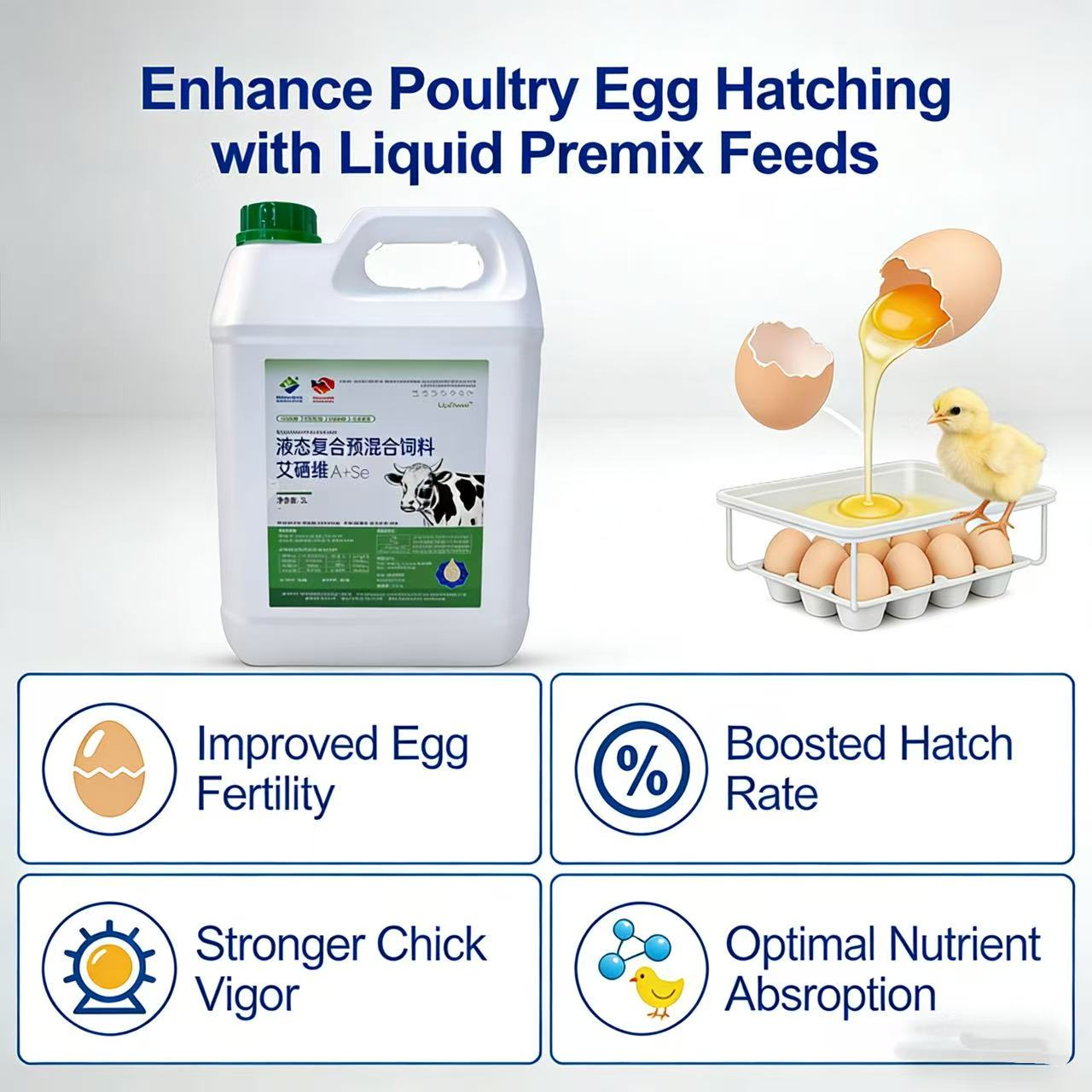
Maternal Immune Transfer: How Hatching Eggs Deliver Critical Immunity
Hatching eggs serve as the primary conduit for transferring maternal immunity to developing chicks, establishing foundational defenses against pathogens during the critical early post-hatch period. This passive immunity bridges the gap until the chick’s own immune system matures.
Yolk IgY Antibodies and Their Role in Early Post-Hatch Protection
The Immunoglobulin Y (IgY) antibodies found in egg yolks get passed down from mother hens to their developing embryos. This gives chicks some built-in protection right after they hatch, shielding them from harmful pathogens during those critical early days. Research published in Avian Pathology back in 2022 showed that chicks coming from eggs with higher levels of these antibodies had much better survival rates when exposed to common threats like E. coli and Salmonella. What makes these antibodies so effective is their ability to target bad microbes both in the gut and throughout the body, buying time for the chick's own immune system to kick in properly. The way breeder hens are vaccinated has a direct impact on how much IgY ends up in the egg yolks. Getting the timing right with vaccinations matters a lot because it affects whether chicks will have enough protection to make it through those vulnerable first weeks of life.
Embryonic Immune Programming During Key Developmental Windows
The embryo’s immune organs—including the thymus, bursa of Fabricius, and spleen—develop during precise gestational windows shaped by maternal signals in the yolk and albumen. Key cytokines and hormones guide immune cell differentiation and function:
- Days 10–14 mark peak bursal development and B-cell diversification.
- Days 16–18 drive accelerated T-cell maturation in the thymus.
Disruptions such as temperature fluctuations or microbial contamination during these phases can cause lasting deficits in macrophage activity and antibody responses, increasing post-hatch susceptibility to respiratory and enteric disease.
Physical Integrity of Hatching Eggs: Shell Quality as a Gatekeeper of Viability
Gas Exchange, Microbial Barrier Function, and Embryonic Mortality Risk
The tiny holes in eggshells let gases pass through during incubation, which is essential for developing embryos. But these same pores can become doorways for bad bacteria too. When eggshells are thin or have cracks, there's a much greater chance of Salmonella getting inside, and this can lead to around 30% of embryos dying before they hatch in worst case scenarios. There's also something called the cuticle that acts as nature's own germ fighter, but it starts breaking down when exposed to water or rough handling. The sweet spot seems to be about 7,000 to 10,000 pores per egg shell. Shells thinner than 0.33mm tend to get contaminated about 25% more often according to studies. Keeping those shells intact matters because microbes love to colonize the albumen inside eggs, which basically ruins chances of successful hatching altogether.
Omphalitis Prevention: Linking Shell Cleanliness to Navel Health and Survival
Bacterial load on eggshells strongly predicts omphalitis incidence. Fecal contaminants like E. coli and Enterococcus invade umbilical tissue during pipping, disrupting yolk sac absorption and triggering septicemia. Dirty shells increase navel infections by 40%. Three evidence-based control points reduce risk:
- Immediate post-lay disinfection lowers initial microbial colonization
- Dry storage below 18°C inhibits biofilm formation
- Sanitized hatchery equipment prevents cross-contamination
Chicks from visibly clean eggs achieve 98% navel closure versus 74% in soiled groups—cutting early mortality nearly in half through robust navel barrier function.
Nutritional Programming Through Breeder Diet: Optimizing Hatching Egg Composition
Selenium, Vitamin E, and Omega-3s—Evidence for Enhanced Antioxidant Defense and Disease Resilience in Chicks
What a breeder hen eats directly affects what goes into those hatching eggs, and certain nutrients stand out as really important for healthy chicks. Selenium helps the body fight off harmful free radicals by supporting something called glutathione peroxidase. Vitamin E works on protecting cells from getting damaged when they're exposed to oxidation. Then there's DHA, which is part of the omega-3 family, and it helps control inflammation while making macrophages work better. When chicks come from mothers fed these optimized diets, they tend to survive disease challenges at rates about 20% higher than others. Eggs enriched with extra vitamin E also have around 15% more yolk IgY. The combination of selenium and vitamin E makes a big difference too. Embryos lacking these nutrients show roughly 30% more malondialdehyde, which scientists look at as a sign of lipid damage. Beyond just survival, these added nutrients make vaccines work better and cut down on ascites problems several weeks after hatching. Basically, what we're seeing here is how proper nutrition turns regular hatching eggs into something much stronger for the long term health of poultry.
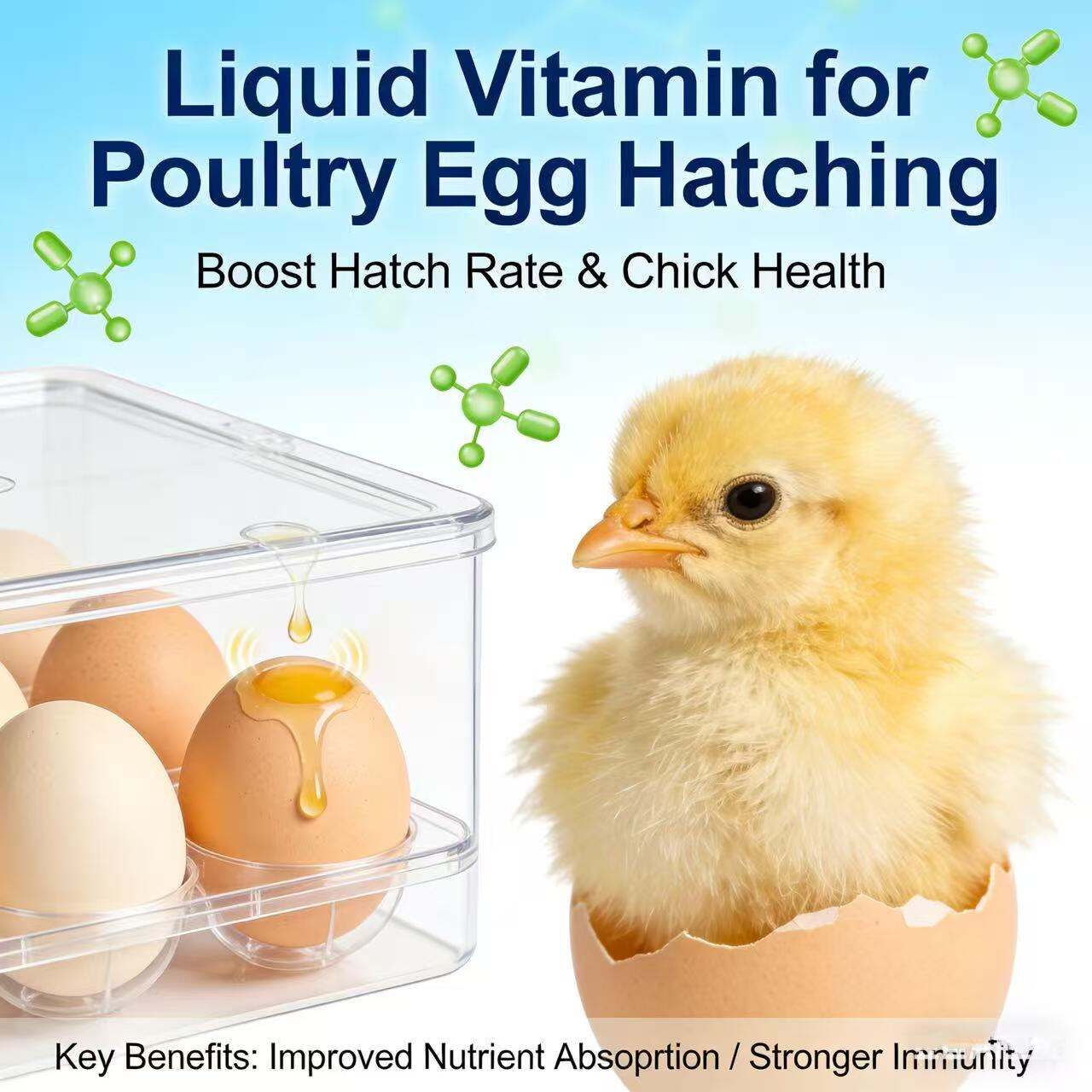
Post-Lay Management of Hatching Eggs: Storage, Handling, and Microbial Control
The success of hatching eggs really depends on what happens right after they're laid. There are basically three key areas to focus on: how we store them, how careful we are when handling, and keeping bad microbes at bay. Right after collecting eggs, they need to cool down pretty quickly. The storage conditions change based on how long we plan to keep them. For eggs stored up to seven days, we want around 16 to 18 degrees Celsius with humidity between 50 and 60%. If they'll be stored longer than that, lower temperatures around 10 to 12 degrees work better but we need higher humidity then, about 70 to 80%. Turning eggs daily three times helps prevent the yolk from sticking together during short-term storage. And for those kept longer before incubation, running through some warming cycles actually boosts their chances of surviving until hatching time.
| Storage Duration | Temperature Range | Humidity Level | Critical Practices |
|---|---|---|---|
| Short-term (≤7 days) | 16–18°C | 50–60% RH | Turn eggs 3x daily to prevent yolk adhesion |
| Long-term (>7 days) | 10–12°C | 70–80% RH | Apply pre-incubation warming cycles |
Microbial control relies on systematic sanitation: UV-C irradiation or formaldehyde fumigation reduces bacterial loads by up to 3 log units. Weekly disinfection of storage facilities—and rigorous post-use decontamination of equipment—breaks transmission pathways. Together, these measures preserve egg integrity, minimize omphalitis risk, and sustain optimal conditions for embryonic development.
Table of Contents
- Maternal Immune Transfer: How Hatching Eggs Deliver Critical Immunity
- Physical Integrity of Hatching Eggs: Shell Quality as a Gatekeeper of Viability
- Nutritional Programming Through Breeder Diet: Optimizing Hatching Egg Composition
- Post-Lay Management of Hatching Eggs: Storage, Handling, and Microbial Control