 EN

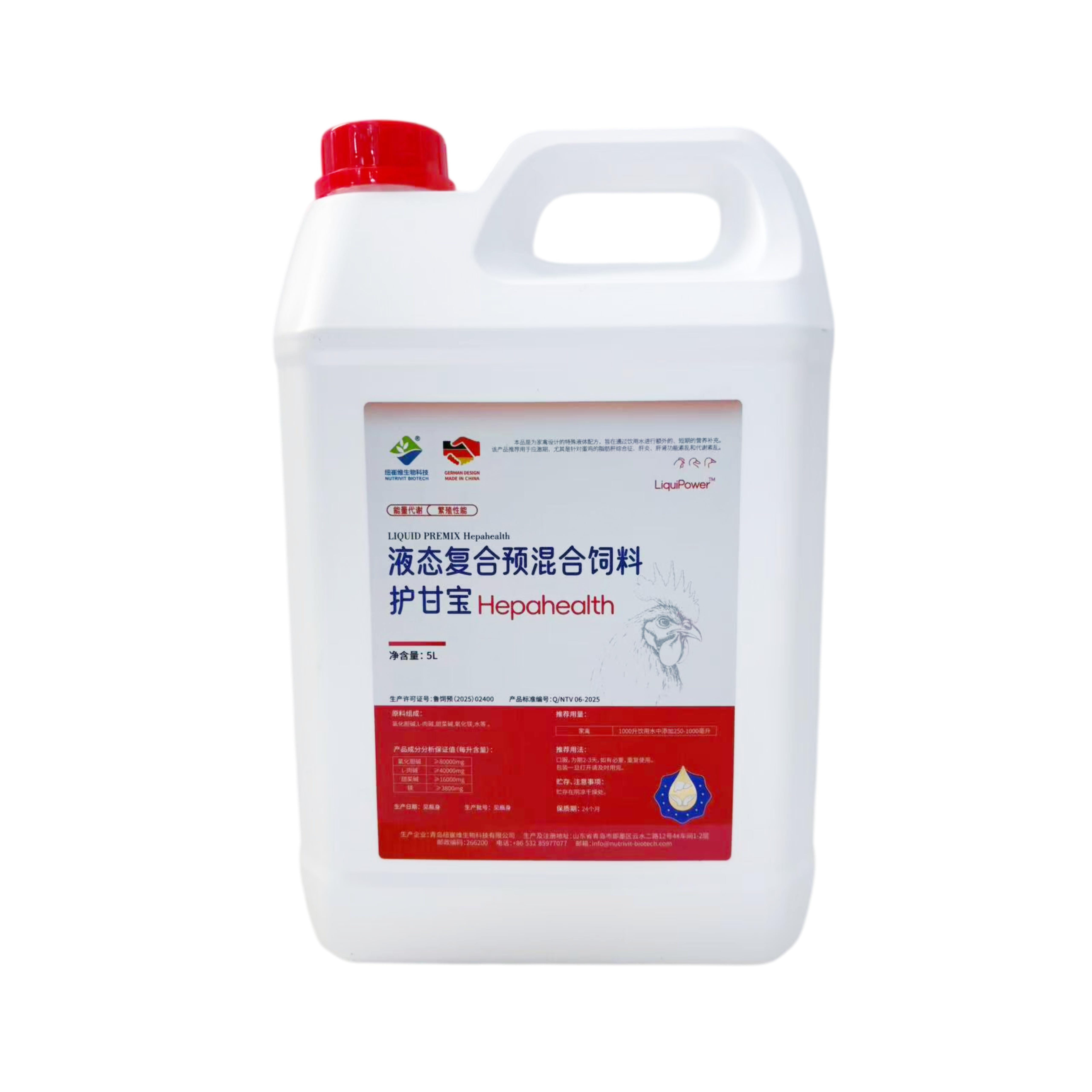
Liver Metabolism in Livestock: Physiological Foundations and Production Impacts
Phase I and Phase II hepatic detoxification pathways in ruminants vs. monogastrics
The liver detoxifies compounds through two coordinated phases. Phase I—primarily mediated by cytochrome P450 (CYP450) enzymes—uses oxidation, reduction, and hydrolysis to convert lipophilic toxins into more reactive, water-soluble intermediates. Phase II then neutralizes these intermediates via conjugation reactions, including glucuronidation, sulfation, and glutathione binding, preparing them for biliary or renal excretion.
Ruminants face distinct metabolic challenges: high-grain diets increase rumen-derived lipopolysaccharides (LPS), triggering hepatic inflammation and suppressing CYP450 activity. Compounding this, ruminant livers have a genetically lower capacity to export triglycerides as very low-density lipoproteins (VLDL), predisposing them to fatty liver during negative energy balance—especially around parturition. In contrast, monogastrics like swine and poultry exhibit more efficient VLDL secretion and faster Phase I enzyme turnover, though they remain highly susceptible to dietary mycotoxins due to less robust Phase II conjugation reserves.
These physiological differences mean ruminants often require targeted nutritional support—not just to sustain baseline detoxification, but to prevent accumulation of toxic Phase I intermediates and maintain metabolic resilience under production stress.
Why optimized liver metabolism directly influences growth rates, immune resilience, and reproductive performance
A fully functional liver is central to three pillars of livestock productivity: growth, immunity, and reproduction. It synthesizes insulin-like growth factor 1 (IGF-1), the principal endocrine regulator of muscle protein synthesis and skeletal development; even mild hepatic impairment reduces circulating IGF-1, directly limiting weight gain and feed efficiency.
Immune resilience depends on the liver’s dual role in pathogen clearance and acute-phase response. Hepatocytes produce complement factors, fibrinogen, and haptoglobin—critical for opsonization and inflammation control. Compromised liver metabolism delays resolution of infection and increases susceptibility to mastitis, metritis, and respiratory disease.
Reproduction is equally liver-dependent. The organ metabolizes steroid hormones—including estradiol and progesterone—and regulates their systemic half-life. Impaired clearance extends inter-estrus intervals and lowers conception rates. In dairy cows, fatty liver syndrome delays first postpartum ovulation by over 20 days (2023 research), while suboptimal vitamin A and E status further disrupt embryo implantation via impaired retinoic acid signaling and oxidative damage to oocytes. By sustaining efficient Phase I and II detoxification, producers preserve metabolic energy otherwise diverted to inflammation repair—redirecting it toward growth, immunity, and fertility.
Bioavailability Advantage: Why Liquid Vitamins Enhance Liver Metabolism Support
Superior absorption of fat-soluble vitamins (A, D, E, K) across GI segments — critical for sustained hepatic enzyme synthesis
Fat-soluble vitamins must traverse multiple physiological barriers—from dissolution in gastric fluid to micellar solubilization with bile salts and uptake by enterocytes—before reaching the liver via chylomicrons. Solid-dose supplements contend with disintegration delays, hydrophobic binders, and variable gastric emptying, all of which limit consistent delivery. Liquid formulations bypass disintegration entirely: vitamins A, D, E, and K are pre-emulsified and molecularly dispersed, enabling immediate interaction with bile acids and rapid formation of mixed micelles. This accelerates transport across the enterocyte brush border and enhances lymphatic uptake.
A 2022 study confirmed that emulsified liquid delivery achieves earlier and more sustained plasma appearance of fat-soluble vitamins versus dry forms—particularly under conditions of reduced bile flow or intestinal inflammation common in transition ruminants. This consistency ensures stable substrate availability for hepatic enzyme synthesis: retinol for CYP450 expression, vitamin E for membrane antioxidant defense, and vitamin K for γ-carboxylation of coagulation and metabolic proteins. When detoxification pathways operate without interruption, nutrient partitioning improves, immune function strengthens, and reproductive efficiency rises—making bioavailability not just a pharmacokinetic detail, but a production-critical determinant of liver metabolic capacity.
Key Vitamins That Directly Modulate Liver Metabolism Pathways
Vitamin A: Retinol storage, CYP450 regulation, and balancing detox capacity against toxicity risk
Vitamin A—stored predominantly in hepatic stellate cells as retinyl esters—exerts precise regulatory control over liver metabolism. Retinol and its active metabolite, retinoic acid, modulate transcription of CYP1A1, CYP2B, and CYP3A enzymes, directly influencing Phase I xenobiotic clearance. Adequate retinol also supports Phase II sulfotransferase and UDP-glucuronosyltransferase activity, ensuring efficient conjugation of steroid hormones and metabolic byproducts. Baldwin et al. (2020) demonstrated that a 30% decline in hepatic retinol suppresses CYP450 activity by nearly 50%, delaying metabolite clearance and elevating oxidative stress.
Yet vitamin A’s therapeutic window is narrow: concentrations exceeding 300 µg/g liver tissue induce mitochondrial dysfunction and lipid peroxidation. Liquid formulations allow precise, titratable dosing—meeting elevated demand during transition or lactation without breaching hepatotoxic thresholds. This precision safeguards enzymatic resilience and prevents the paradoxical suppression of detoxification that occurs with overdosing.
Vitamin E and selenium: Hepatocyte membrane protection during oxidative stress from mycotoxins or metabolic overload
Vitamin E and selenium act as an integrated antioxidant system protecting hepatocyte integrity. α-Tocopherol inserts into phospholipid bilayers, intercepting lipid peroxyl radicals generated by aflatoxin B1 or endogenous metabolic overload. Selenium—incorporated as selenocysteine into glutathione peroxidase 4 (GPX4)—directly reduces phospholipid hydroperoxides to non-toxic alcohols, halting the chain reaction of membrane damage.
In high-yielding dairy herds, negative energy balance increases mitochondrial ROS production, elevating serum AST above 100 U/L—a biomarker of periportal hepatocyte injury. A 12-week trial found that liquid vitamin E combined with organic selenium reduced serum AST by 22% and lowered subclinical hepatic lipidosis incidence by 34% compared to dry-form controls (Martinez et al., 2022). This protection preserves mitochondrial β-oxidation and urea-cycle flux in periportal zones—key processes for ammonia detoxification and energy homeostasis. As such, this synergy sustains core liver metabolic functions essential for both health and production.
Field-Validated Outcomes: Liquid Vitamin Supplementation and Measurable Liver Metabolism Improvements
Clinical evidence: Reduced AST/ALT ratios, lower hepatic lipidosis incidence, and improved milk yield in dairy herds
A controlled 2022 trial involving 120 Holstein cows evaluated the impact of liquid vitamin ADE supplementation on hepatic health and productivity. Over 60 days, the liquid-supplemented group showed a 14% reduction in serum AST/ALT ratio versus the dry-supplement control group—a clinically meaningful indicator of reduced hepatocellular damage (Dairy Health, 2022). Concurrently, ultrasound-confirmed hepatic lipidosis incidence dropped from 22% to 8%, underscoring improved lipid handling and VLDL export capacity.
These improvements translated directly to production: cows receiving liquid vitamins averaged 2.3 kg more milk per day. Beyond yield, normalized AST/ALT profiles correlated with fewer cases of displaced abomasum and ketosis, and a 30% higher first-service conception rate (Livestock Reproduction, 2023). These outcomes confirm that enhanced bioavailability of fat-soluble vitamins—through rapid, consistent delivery to the liver—supports detoxification efficiency, metabolic homeostasis, and reproductive recovery in high-demand dairy systems. The measurable reduction in liver injury biomarkers and lipid accumulation represents a validated, scalable strategy for sustaining liver metabolism and overall herd performance.
FAQ Section
What role does the liver play in livestock production?
The liver is vital for detoxifying compounds, synthesizing IGF-1 for growth, regulating immune function, and metabolizing hormones for reproduction. Efficient liver function directly influences productivity and health in livestock.
Why do ruminants face unique liver metabolic challenges compared to monogastrics?
Ruminants often experience liver inflammation due to rumen-derived toxins like lipopolysaccharides (LPS) and have a lower capacity to export triglycerides via VLDL. This predisposes them to fatty liver, especially during periods of negative energy balance.
How do liquid vitamins enhance liver metabolism in livestock?
Liquid vitamins improve bioavailability by enabling faster absorption and more consistent delivery to the liver. This supports hepatic enzyme synthesis, detoxification pathways, and overall metabolic resilience, especially during stress or transition periods.
What are the key vitamins impacting liver metabolic pathways?
Vitamin A regulates CYP450 enzymes and balances detoxification capacity, vitamin E and selenium protect hepatocytes from oxidative damage, and vitamin K supports coagulation and metabolic protein synthesis.
Are there measurable benefits of liquid vitamin supplementation in dairy herds?
Clinical trials show liquid supplementation reduces hepatic injury biomarkers, lowers lipidosis incidence, increases milk yield, and improves reproductive efficiency, directly translating to better herd performance.
Table of Contents
- Liver Metabolism in Livestock: Physiological Foundations and Production Impacts
- Bioavailability Advantage: Why Liquid Vitamins Enhance Liver Metabolism Support
- Key Vitamins That Directly Modulate Liver Metabolism Pathways
-
Field-Validated Outcomes: Liquid Vitamin Supplementation and Measurable Liver Metabolism Improvements
- Clinical evidence: Reduced AST/ALT ratios, lower hepatic lipidosis incidence, and improved milk yield in dairy herds
- FAQ Section
- What role does the liver play in livestock production?
- Why do ruminants face unique liver metabolic challenges compared to monogastrics?
- How do liquid vitamins enhance liver metabolism in livestock?
- What are the key vitamins impacting liver metabolic pathways?
- Are there measurable benefits of liquid vitamin supplementation in dairy herds?