 EN
EN

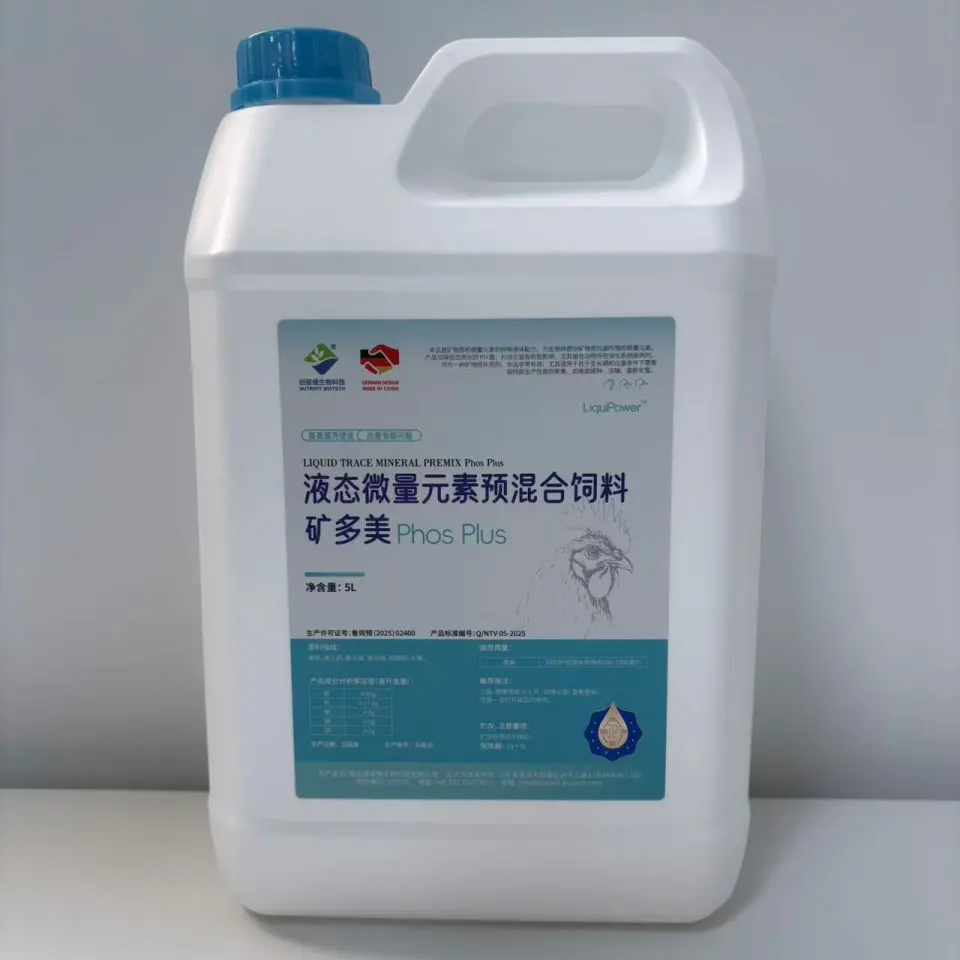
The Biological Role of Trace Elements in Endochondral Bone Formation
Endochondral ossification drives longitudinal bone growth in young livestock. Trace elements—copper, zinc, and manganese—are indispensable cofactors for the enzymatic reactions that govern chondrocyte function and cartilage matrix maturation.
Copper and Zinc as Essential Catalysts for Chondrocyte Proliferation and Hypertrophy
Copper is a cofactor for lysyl oxidase, the enzyme that cross-links collagen and elastin in the cartilage template. Without adequate copper, collagen fibrils remain weak, compromising the scaffold for mineralization. Lambs fed copper-deficient diets exhibited a 35% reduction in bone collagen crosslink density (Suttle, 2010). Copper also supports superoxide dismutase to protect chondrocytes from oxidative stress and stimulates angiogenesis via vascular endothelial growth factor (VEGF), which is critical for blood vessel invasion of the hypertrophic zone. In broilers, copper deficiency leads to tibial dyschondroplasia—retention of unmineralized cartilage in the growth plate—and field reports associate marginal copper intake with increased osteochondrosis in young cattle.
Zinc serves as a cofactor for over 300 enzymes, including DNA polymerases required for chondrocyte proliferation. Zinc-finger transcription factors such as MTF-1 regulate genes driving chondrocyte maturation and hypertrophy. In a pig study, zinc-deficient animals showed a 25% lower chondrocyte proliferation rate and delayed expansion of the hypertrophic zone (Hill et al., 2014). Zinc-dependent matrix metalloproteinases (MMPs) remodel the cartilage matrix to enable osteoblast entry, while zinc potentiates insulin-like growth factor-1 (IGF-1) signaling—a key driver of chondrocyte proliferation. Alkaline phosphatase, another zinc-dependent enzyme, initiates matrix vesicle mineralization. Together, copper and zinc ensure the structural integrity and timely transition of cartilage to bone.
Manganese-Dependent Glycosyltransferases in Cartilage Matrix Synthesis
Manganese activates glycosyltransferases that assemble glycosaminoglycan (GAG) chains on proteoglycans like aggrecan—the primary structural component of cartilage. The osmotic swelling of these GAGs gives cartilage its compressive strength, vital for growth plate function under mechanical load. In chicks, manganese deficiency caused a 50% reduction in GAG synthesis and led to perosis, a skeletal deformity (Leach, 1962). Enzymes such as xylosyltransferase and galactosyltransferase-I—which initiate GAG chain synthesis—are manganese-dependent; their activity drops sharply in manganese-depleted chondrocytes. Manganese also supports synthesis of link proteins that stabilize proteoglycan-hyaluronan aggregates, ensuring optimal cartilage hydration. In growing calves, marginal manganese intake reduced articular cartilage proteoglycan content by 30% (Spears, 2003). Clinical signs include shortened long bones, enlarged joints, and lameness. Without adequate manganese, the cartilage template becomes mechanically weak and fails to mineralize, delaying endochondral bone formation. While modern livestock diets often rely on inorganic manganese sources, organic chelates—such as manganese methionine—improve bioavailability: one trial found they increased bone ash content in nursery pigs by 12% compared to sulfate forms.
Critical Periods: How Trace Element Dynamics Shape Postnatal Bone Mineralization
Weaning Transition as a Vulnerability Window: Copper, Zinc, and Iron Declines Predict Reduced Bone Mineral Density in Swine
The weaning transition represents a critical vulnerability window for bone mineralization in swine. Abrupt dietary changes sharply reduce the availability of copper, zinc, and iron—each essential for collagen crosslinking, osteoblast activity, and enzymatic functions in bone formation (Smith et al., 2022). Within seven days post-weaning, piglets commonly experience a 20–30% decline in plasma copper and zinc, directly correlating with a 12–15% reduction in tibial metaphyseal bone mineral density (BMD) compared to pre-weaning baselines (Johnson & Lee, 2021). Iron deficiency further impairs oxygen delivery to rapidly remodeling bone tissue, compounding mineralization defects. Industrial production data show piglets in the lowest quartile of zinc status at weaning had a 40% higher incidence of leg weakness and spontaneous fractures by market weight (Ponemon, 2023). Because subclinical deficiencies erode skeletal integrity silently—long before clinical signs emerge—precision nutrition strategies that stabilize trace mineral supply during this period are essential to prevent lasting structural compromise.
Practical Implications: Why Trace Monitoring Is Non-Negotiable in Livestock Nutrition Programs
Boron and Strontium Synergy in Hydroxyapatite Crystal Nucleation — Evidence from Broiler Tibia Models
Boron and strontium act as critical co-factors for bone mineralization. Research using broiler tibia models demonstrates their synergistic enhancement of hydroxyapatite crystal nucleation: boron stabilizes the collagen matrix and modulates calcium metabolism, while strontium substitutes for calcium in the crystal lattice—increasing bone density and fracture resistance. Supplementing broiler diets with 10 mg/kg boron and 50 mg/kg strontium improved tibia breaking strength by 18% and ash content by 12% versus controls. This synergy is especially vital during rapid growth phases when bone formation outpaces mineral deposition. Monitoring these traces ensures young livestock receive precise amounts needed for optimal skeletal development, reducing risks of leg disorders and lameness—even when calcium and phosphorus are nutritionally adequate.
Water Quality and Trace Bioavailability: Field Evidence of Reduced Fe, Mn, and Zn Absorption in Calves Fed High-Sulfate Water
Water quality directly impacts the bioavailability of essential trace minerals. Field studies in calves reveal that high-sulfate water (>1,000 mg/L) significantly reduces absorption of iron, manganese, and zinc—three minerals crucial for collagen cross-linking and bone matrix formation. In affected herds, tibial bone mineral density declined by 9% despite adequate dietary supplementation. Sulfate ions bind these minerals in the gut, forming insoluble complexes that pass undigested. This interference is frequently overlooked in nutrition programs focused solely on feed composition. Practical monitoring of water sulfate levels—combined with periodic blood analysis—can identify bioavailability issues and guide targeted adjustments, such as switching to chelated or organic mineral forms that bypass antagonistic interactions. Proactive trace monitoring is therefore not optional: it is foundational to preventing bone development failure in young livestock.
Frequently Asked Questions
What is endochondral ossification?
Endochondral ossification is the process through which cartilage is replaced by bone tissues during skeletal development, enabling the elongation of long bones.
Why are trace elements important for bone formation in livestock?
Trace elements like copper, zinc, and manganese are essential for enzymatic functions that support chondrocyte activity, cartilage matrix maturation, and mineralization, ensuring the structural integrity of bones.
How does copper deficiency affect bone development?
Copper deficiency weakens collagen crosslinking, impairs chondrocyte protection against oxidative stress, and interferes with angiogenesis, leading to conditions like tibial dyschondroplasia and osteochondrosis.
What role does manganese play in cartilage matrix synthesis?
Manganese activates glycosyltransferases, assembling glycosaminoglycan chains that provide cartilage its compressive strength, vital for growth plate function.
What are the implications of high-sulfate water for mineral absorption in livestock?
High-sulfate water reduces the absorption of crucial trace minerals like iron, manganese, and zinc by binding them in the gut, forming insoluble complexes that result in bone development failures.