 EN
EN

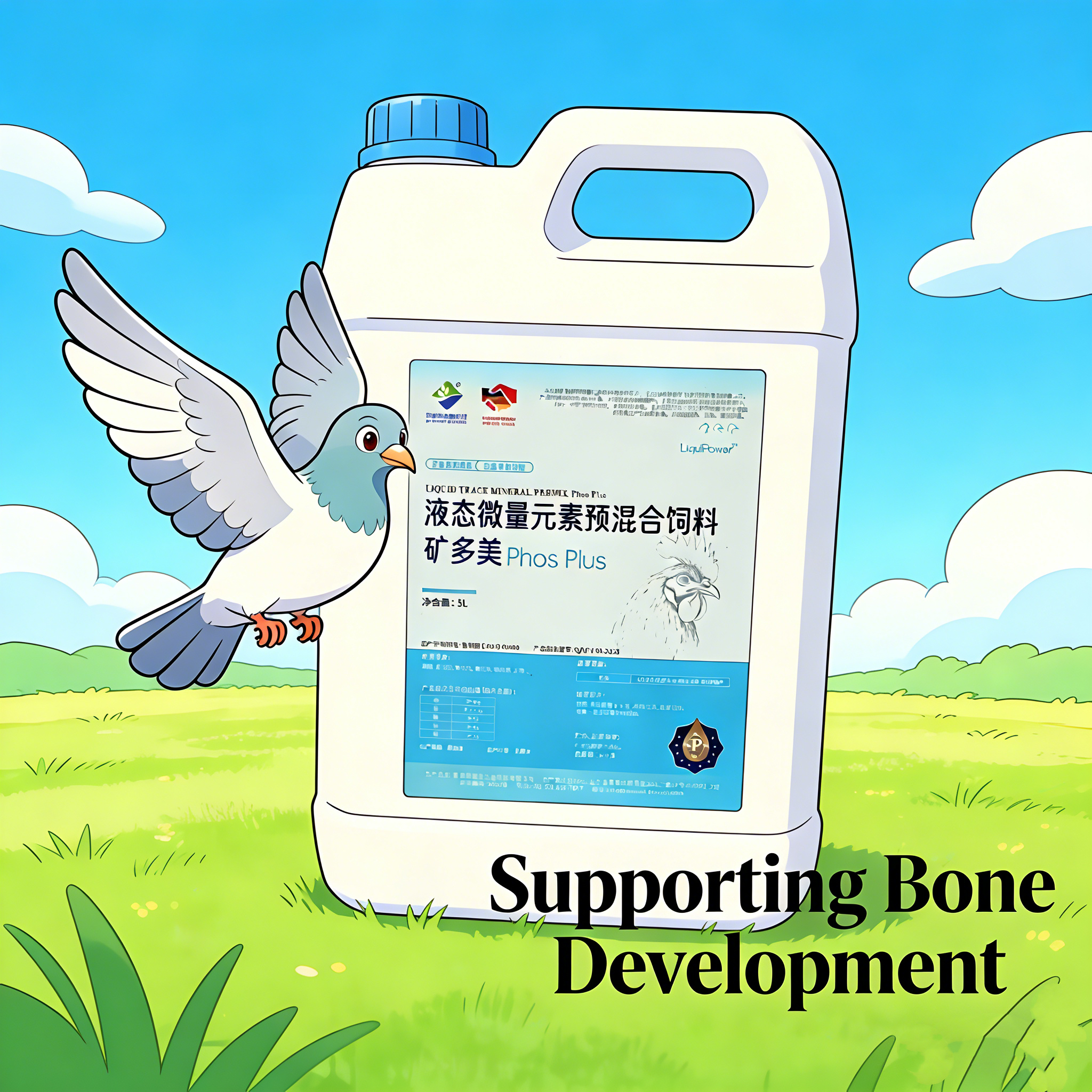
Why Bone Development in Young Poultry Demands Optimized Vitamin Delivery
Young poultry undergo rapid skeletal growth during the first weeks of life, placing intense demands on nutrient absorption and utilization. Inadequate vitamin delivery during this critical window can lead to suboptimal bone density, increased mortality, and long-term performance losses. Chicks have immature digestive systems that cannot efficiently extract fat-soluble vitamins—like D3 and K2—from dry feed alone. Optimized delivery ensures these nutrients reach the bloodstream in consistent, bioavailable forms. Without it, calcium and phosphorus metabolism becomes erratic, impairing bone mineralization. The margin between sufficiency and deficiency is narrow; even mild imbalances can trigger metabolic bone disorders that reduce flock uniformity and carcass quality. Targeted supplementation—especially via liquid formulations—is therefore foundational, not optional, for strong skeletal development and maximum productivity in modern poultry operations.
The Critical Role of Vitamin D3 and K2 in Bone Development
Vitamin D3 and K2 work synergistically to ensure proper bone development in young poultry. While each performs a distinct function, their combined action is essential for building strong, well-mineralized skeletons. Without adequate levels of both, calcium cannot be efficiently absorbed or properly directed into bone tissue—increasing the risk of poor mineralization and growth deformities.
Vitamin D3’s Mechanism: Enhancing Calcium Absorption for Skeletal Mineralization
Vitamin D3 drives intestinal calcium absorption. After ingestion, it is converted in the liver and kidneys to its active form, 1,25-dihydroxyvitamin D3, which upregulates calcium-binding proteins (e.g., calbindin-D28k) in the duodenum. This process actively transports dietary calcium across the gut lining into circulation—maintaining the high serum calcium levels required for rapid skeletal accretion. In young birds, where bone formation peaks within days of hatch, even transient D3 insufficiency can significantly reduce calcium uptake and compromise cortical thickness and trabecular architecture. Consistent D3 supply helps prevent rickets and supports early mineralization—but its benefits remain incomplete without a mechanism to direct calcium into bone.
Vitamin K2 Activation of Osteocalcin: Directing Calcium to Bone Matrix
Vitamin K2—particularly the MK-7 form—activates osteocalcin, the primary non-collagenous protein in bone. Through γ-glutamyl carboxylase–mediated carboxylation, K2 converts inactive (undercarboxylated) osteocalcin into its functional, calcium-binding form. Only carboxylated osteocalcin can bind hydroxyapatite crystals and anchor calcium ions into the bone matrix. Without K2, calcium remains untargeted—potentially accumulating in vasculature or soft tissues instead of bone. When D3 and K2 are co-delivered at physiologically appropriate ratios, calcium absorption and skeletal deposition proceed in concert, supporting uniform bone density and structural integrity across the flock.
Liquid Vitamins Improve Bioavailability and Consistency of Bone-Development Nutrients
Faster, More Uniform Absorption vs. Dry Premixes in Starter Feeds
Liquid vitamin formulations offer a clear pharmacokinetic advantage over dry premixes in starter feeds. Because nutrients like D3 and K2 are pre-solubilized and often emulsified, they bypass the dissolution and digestion steps required for dry forms—enabling faster, more direct absorption via the upper intestine and lymphatic system. This results in earlier and more predictable peak plasma concentrations, critical during the first 72 hours post-hatch when skeletal mineralization accelerates. In contrast, dry premixes are prone to segregation, uneven distribution in feed, and variable release due to differences in particle size and feed matrix interactions—leading to inconsistent intake among individuals.
Reducing Variability in Bone Density and Growth Rate Across Flocks
Flock-level variability in bone density and growth rate is often rooted in inconsistent nutrient delivery—not genetic or environmental factors alone. Liquid vitamins mitigate this by ensuring uniform dispersion whether added to drinking water or top-dressed onto feed. Every bird receives a near-identical dose per unit of intake, eliminating the “high/low absorber” dichotomy common with dry additives. Field trials conducted under commercial conditions show up to 22% reduction in coefficient of variation (CV) for tibia ash content when liquid D3+K2 replaces standard dry premixes. Over time, this consistency translates into tighter weight spreads, fewer leg-health culls, and improved processing yields—making liquid delivery a scalable solution for precision nutrition in large-scale operations.
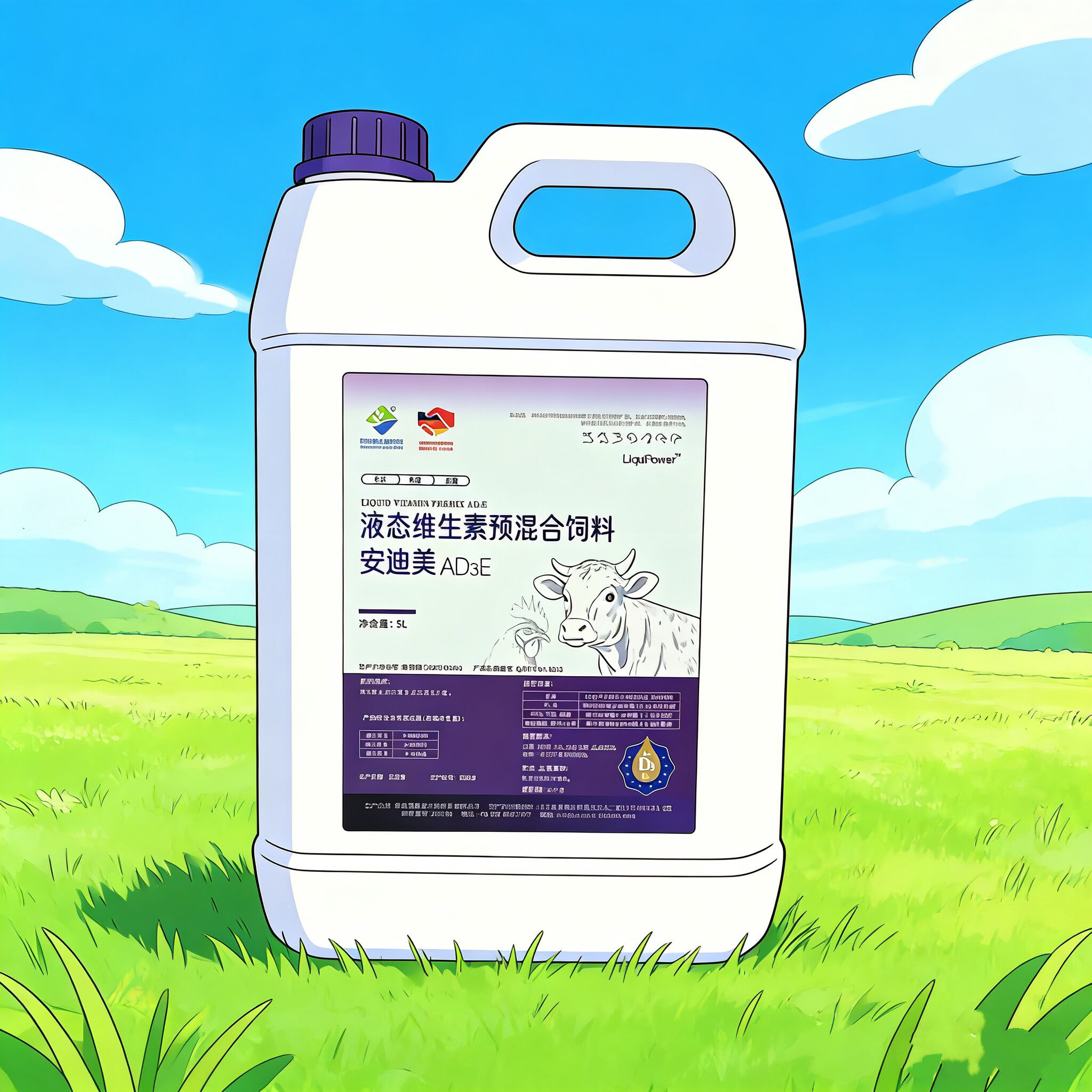
Avoiding Subclinical Deficiencies That Impair Bone Development
Subclinical deficiencies in calcium, vitamin D3, and vitamin K2 frequently go undetected in young flocks—yet they silently erode bone strength and uniformity. Marginal shortfalls rarely trigger overt clinical signs like rickets or paralysis but consistently reduce bone mineral density, increase tibial dyschondroplasia incidence, and delay ossification timelines. Liquid supplementation addresses this by delivering nutrients in a highly bioavailable, rapidly absorbed format—bypassing digestive inefficiencies and feed-intake variability that limit dry-form efficacy. This prevents the subtle, cumulative gaps in calcium transport and osteocalcin activation that undermine early skeletal programming. As recognized by the World’s Poultry Science Association and supported by EFSA guidance on vitamin bioavailability, early, consistent nutrient delivery is the most cost-effective strategy for safeguarding bone health—far more efficient than attempting to correct advanced mineralization deficits after they manifest.
FAQ
Why are vitamins D3 and K2 essential for poultry bone development?
Vitamins D3 and K2 ensure calcium is absorbed and directed into the bone matrix, crucial for strong bone mineralization and preventing growth deformities.
How do liquid vitamin formulations compare to dry premixes?
Liquid formulations provide uniform, bioavailable nutrient delivery and promote faster absorption, ensuring consistent bone development across the flock.
What are the risks of subclinical deficiencies in young poultry?
Subclinical deficiencies can lead to reduced bone density, increased tibial dyschondroplasia, and delayed ossification, which hinder long-term productivity.