 EN
EN

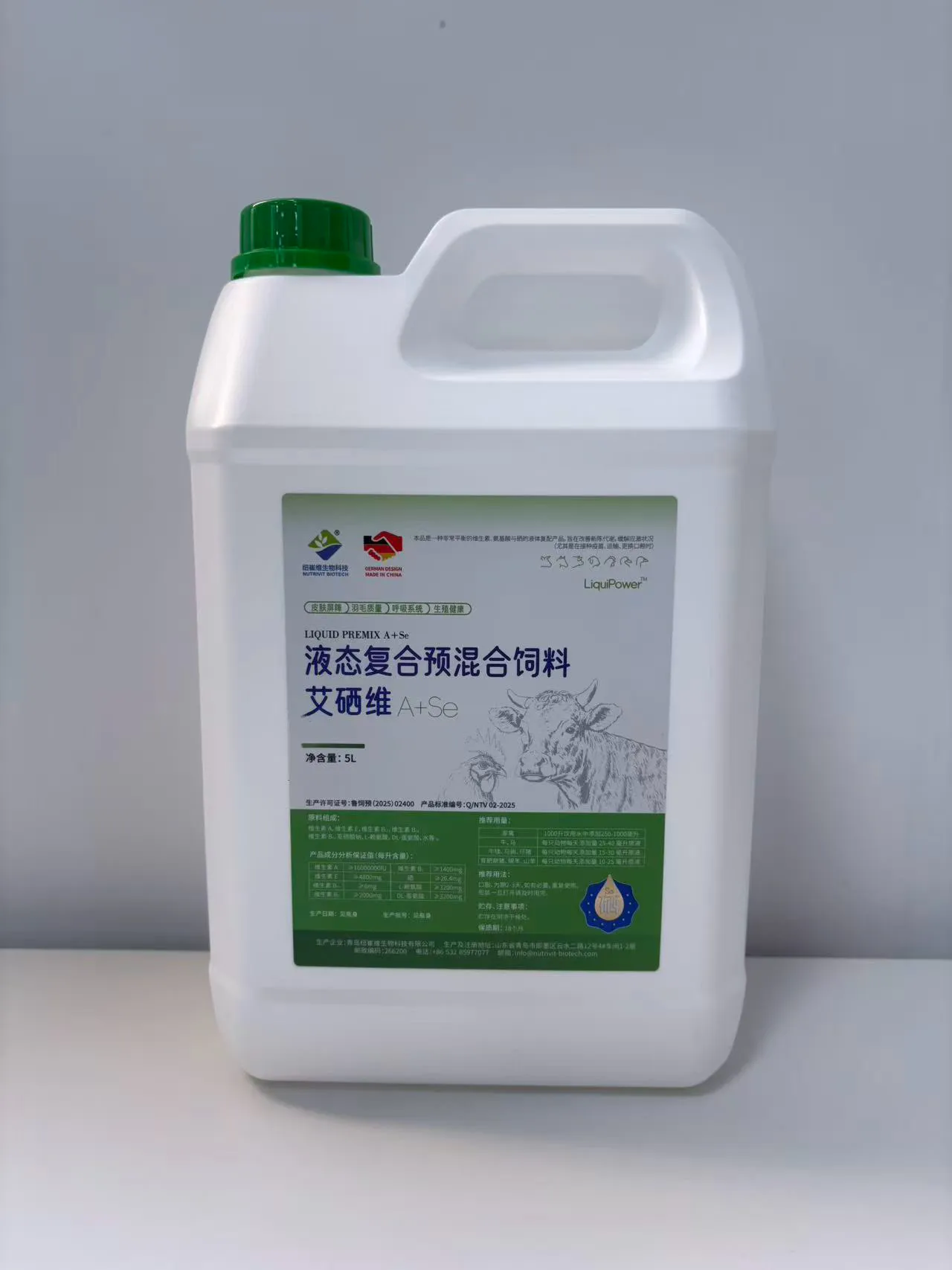
Liquid Vitamins Strengthen Antioxidant Defenses During Heat Stress
Vitamin C and E Synergy in Neutralizing ROS and Lowering MDA Biomarkers
Heat stress triggers excessive reactive oxygen species (ROS) production, overwhelming livestock’s natural antioxidant capacity and initiating lipid peroxidation—reflected by elevated malondialdehyde (MDA), a validated biomarker of oxidative damage. Liquid vitamin formulations deliver a well-documented antioxidant pair: water-soluble vitamin C and fat-soluble vitamin E. Vitamin C directly scavenges ROS in bodily fluids and regenerates oxidized vitamin E, restoring its protective function in cell membranes. This synergistic cycle amplifies cellular defense. Peer-reviewed trials in heat-stressed dairy cows and poultry demonstrate that co-supplementation with liquid vitamin C and E significantly reduces MDA concentrations—confirming mitigation of membrane-level oxidative injury. Rapid absorption from the liquid matrix ensures timely delivery to target tissues during peak thermal stress, helping preserve cell integrity, immune competence, and overall resilience.
Upregulation of T-AOC and HSP70 via Water-Soluble Vitamin Blends
Beyond direct ROS quenching, liquid vitamins enhance endogenous antioxidant capacity. Total antioxidant capacity (T-AOC) reflects the integrated activity of enzymatic (e.g., SOD, GPx) and non-enzymatic antioxidants—and is consistently elevated in heat-stressed livestock receiving water-soluble vitamin blends containing B-complex vitamins alongside C and E. A higher T-AOC signifies improved systemic buffering against recurrent oxidative surges. These same blends also upregulate heat shock protein 70 (HSP70), a molecular chaperone critical for stabilizing denatured proteins under thermal challenge. Increased HSP70 expression correlates with reduced cellular damage and greater metabolic stability at high ambient temperatures. Liquid delivery enables precise, species-specific dosing—supporting not only acute radical scavenging but also long-term adaptive capacity against repeated heat exposure.
Liquid Vitamins Sustain Production Metrics Under Thermal Challenge
Heat stress compromises key productivity indicators across species—but targeted liquid vitamin supplementation offers an evidence-backed strategy to sustain performance. Rapid bioavailability ensures antioxidant support reaches critical physiological systems—such as mammary tissue and hepatic metabolism—before oxidative cascades disrupt function.
Maintaining Milk Yield and Protein Quality with Liquid Vitamin C Supplementation
Dairy cows under heat stress supplemented with liquid vitamin C maintain milk yield and improve milk protein content relative to unsupplemented controls. In a controlled field trial by the 2024 Dairy Research Group, herds receiving daily liquid vitamin C averaged 28.5 kg of milk per cow per day—15% higher than control groups experiencing typical summer declines. The swift absorption of liquid-form vitamin C replenishes antioxidant reserves before oxidative stress alters casein synthesis or lactation signaling pathways, preserving both volume and compositional quality.
Reducing Somatic Cell Count Through Antioxidant-Mediated Udder Health
Elevated somatic cell count (SCC) reflects udder inflammation worsened by heat-induced oxidative stress. Liquid vitamin blends containing synergistic antioxidants—including vitamins C and E—reduce oxidative damage in mammary epithelial tissue. Field trials show supplemented cows maintained SCC below 200,000 cells/mL during prolonged heat exposure—a threshold aligned with premium pricing standards set by the 2023 Milk Quality Association. By reinforcing local antioxidant defenses, these formulations help sustain udder health, harvest efficiency, and milk market value.
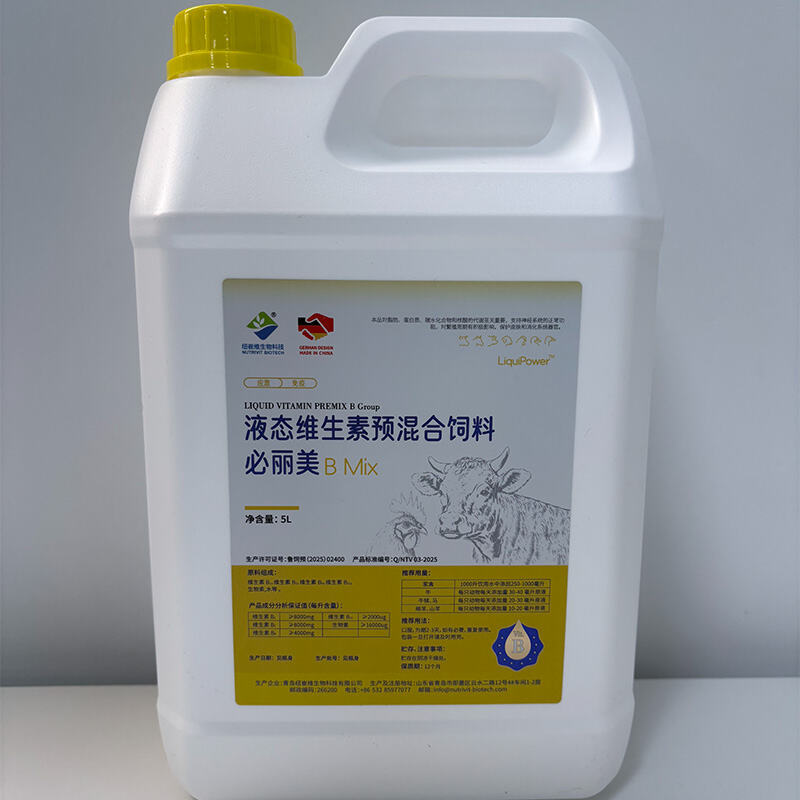
Water-Based Delivery Enhances Bioavailability and Hydration Support
Improved Absorption Kinetics and Electrolyte Integration in Heat-Stressed Animals
Heat stress impairs gut motility, reduces feed intake, and compromises intestinal barrier function—hindering nutrient absorption from dry supplements. Liquid vitamins circumvent these limitations: their water-soluble nature ensures rapid dissolution, bypassing enzymatic digestion delays and enabling direct uptake across the gastrointestinal mucosa. This results in faster plasma concentration peaks and superior tissue delivery compared to powdered or pelletized forms. Importantly, liquid formulations integrate seamlessly into drinking water or electrolyte solutions—providing simultaneous hydration and antioxidant support. This dual action helps offset fluid and electrolyte losses from panting and sweating while sustaining thermoregulatory and metabolic functions. Studies confirm animals receiving vitamins in aqueous solution show improved recovery markers—including normalized cortisol levels and sustained rumen motility—indicating broader physiological stabilization beyond antioxidant effects.
Why Liquid Vitamins Outperform Dry Forms in Heat Stress Management
During heat stress, livestock reduce voluntary feed intake and experience dehydration, intestinal inflammation, and compromised digestive enzyme activity. Powdered vitamins face multiple barriers in this context: reduced palatability leads to inconsistent consumption; enzymatic breakdown is impaired by gut dysfunction; and dry forms increase osmotic demand, further taxing limited water reserves. Liquid vitamins bypass these hurdles entirely—delivering fully dissolved, immediately absorbable nutrients directly into circulation. Their aqueous base also supports hydration without additional fluid cost. Critically, liquid formulations retain stability under high summer temperatures, whereas powdered alternatives—even microencapsulated ones—are vulnerable to thermal degradation of heat-labile compounds like vitamin C and B1. The resulting bioavailability advantage makes liquid vitamins the more reliable vehicle for maintaining antioxidant defenses, immune function, and production continuity when environmental heat challenges livestock physiology most acutely.
FAQ
How do liquid vitamins help livestock during heat stress?
Liquid vitamins provide rapid absorption and direct antioxidant support, enhancing livestock's resilience against oxidative damage caused by heat stress.
What are the advantages of liquid vitamins over powdered supplements?
Liquid vitamins bypass digestive challenges, offer better bioavailability, and support hydration, making them more effective during heat stress conditions.
How do liquid vitamins improve milk yield in dairy cows?
Liquid vitamins replenish antioxidant reserves swiftly, protecting casein synthesis and lactation processes, which helps maintain milk yield and protein quality.
Can liquid vitamins be mixed with drinking water?
Yes, liquid vitamins integrate seamlessly into drinking water or electrolyte solutions, providing simultaneous hydration and nutrient support.
Are liquid vitamins effective for reducing somatic cell counts?
Yes, studies show that liquid vitamin blends can lower somatic cell counts by reducing oxidative damage to mammary tissues, improving udder health.