 EN
EN

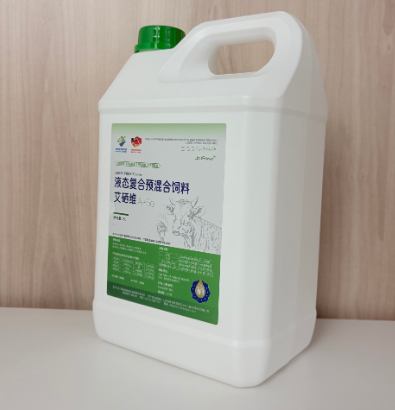
Why Liquid Vitamins Deliver Superior Bioavailability in Farm Animals
Liquid vitamin formulations offer distinct physicochemical and biological advantages over dry alternatives, leading to significantly higher absorption rates in livestock and poultry. By addressing key barriers to nutrient uptake—especially dissolution delay, enzymatic dependency, and micellar inefficiency—these delivery systems ensure more of the administered dose reaches systemic circulation.
Physicochemical Advantages: Emulsification, Micelle Formation, and Solubilization
The superior bioavailability of liquid vitamins stems from their ability to overcome the inherent hydrophobicity of fat-soluble compounds. In the gastrointestinal tract, liquid preparations form fine, stable emulsions that dramatically increase the surface area available for enzymatic digestion. This promotes rapid formation of mixed micelles—small lipid aggregates that shuttle vitamins through the aqueous gut lumen to the enterocyte membrane. Solubilization agents (e.g., polysorbates, glycerol esters) in the liquid matrix further enhance dispersion and uniform mixing with digesta. As a result, vitamins A, D, E, and K remain in a readily absorbable, pre-solubilized state—avoiding the erratic dissolution common with crystalline or coated dry powders. Critically, liquid vitamins bypass the need for endogenous digestive breakdown, accelerating onset of absorption and reducing reliance on variable factors like bile salt output or gastric pH.
Nutritional Emulsifiers (e.g., Lysolecithins) Enhance Fat-Soluble Vitamin Uptake Across Species
Nutritional emulsifiers such as lysolecithins—derived from natural phospholipids—significantly amplify the absorption efficiency of liquid vitamin formulations. Acting as potent surface-active agents, they lower interfacial tension between oil droplets and the aqueous gut environment, stabilizing emulsions and extending contact time between vitamins and digestive enzymes. Field trials in young calves, weanling pigs, and broiler chicks show consistent increases in serum retinol and α-tocopherol levels when fed lysolecithin-enriched liquid supplements versus standard dry premixes. This cross-species efficacy arises because lysolecithins optimize micelle size and composition—making fat-soluble vitamins more accessible to the brush-border membrane—while also reducing dependence on the animal’s endogenous bile salt pool. That makes them especially valuable for neonatal, stressed, or post-antibiotic animals with compromised digestive capacity. Consequently, liquid vitamins combined with nutritional emulsifiers represent a practical, species-agnostic strategy to maximize vitamin absorption from the first feeding.
Biological Mechanisms: How Liquid Vitamins Optimize Absorption Pathways
Divergent Uptake Routes for Fat- vs. Water-Soluble Vitamins—and Why Liquid Formulations Leverage Both
Liquid vitamins overcome inherent metabolic barriers by aligning with both major intestinal absorption pathways:
- Fat-soluble vitamins (A, D, E, K) depend on micelle formation—a process requiring bile salts and efficient lipid dispersion. Liquid emulsions are inherently micelle-ready, enabling immediate integration into mixed micelles without waiting for dissolution or endogenous emulsification.
- Water-soluble vitamins (B complex, C) rely on passive diffusion and carrier-mediated transport (e.g., SVCT1 for vitamin C, RFC for folate). Liquid formulations eliminate the dissolution lag entirely, delivering nutrients in solution at the mucosal surface for immediate uptake.
By circumventing dissolution—whether for lipophilic or hydrophilic compounds—liquid vitamins position nutrients for rapid, pathway-appropriate absorption. This dual-pathway optimization explains their consistently higher efficacy across diverse species and physiological states.
Gut Microbiome Interactions: Enhanced Synthesis and Bioavailability Post-Liquid Vitamin Supplementation
Liquid vitamin delivery also modulates the gut microbiome in ways that extend bioavailability beyond direct absorption. Higher absorption rates of vitamin precursors—such as ascorbic acid and phylloquinone—stimulate growth and metabolic activity of vitamin-producing bacteria (e.g., Bifidobacterium, Bacteroides, and Enterobacter spp.), increasing endogenous synthesis of menaquinones (vitamin K₂) and B vitamins like biotin and folate. Additionally, the faster gastric emptying and reduced intestinal transit time associated with liquid dosing improve precursor delivery to the lower gut, extending residence time for microbial enzymatic conversion. Fermented liquid multivitamin formulations—designed to support this synergy—have demonstrated up to 23% higher concentrations of microbial vitamin metabolites in ileal digesta compared to dry controls, indicating a functional amplification of bioactive nutrient supply.
Real-World Evidence: Liquid Vitamins Improve Absorption in Commercial Herds and Flocks
Dairy Calves: Measured Increases in Serum Vitamin A and E Levels with Emulsified Liquid Supplements
Field data from commercial dairy operations confirm the translational impact of liquid vitamin delivery. In Mississippi calf trials, emulsified liquid supplements increased serum vitamin A and E concentrations by over 30% compared to matched powder equivalents (National Dairy Report, 2023). Researchers attribute this to enhanced micelle formation in the rumen microenvironment and improved lymphatic uptake of fat-soluble vitamins. One controlled trial reported 42% higher serum tocopherol retention using emulsified supplements (Emulsification Benefit Study, 2022), correlating with a clinically meaningful reduction in respiratory infection incidence during the critical post-weaning period.
Swine and Poultry Field Trials: Consistent Absorption Gains and Performance Correlations
Commercial swine farms using liquid multi-vitamin supplements observed 12% higher average daily gains in growing-finishing pigs—linked directly to improved vitamin E absorption kinetics (Purdue Swine Data, 2023). Similarly, layer operations reported 27% greater vitamin D₃ absorption with liquid supplementation, resulting in measurable improvements in eggshell thickness and strength. Across both species, replacing dry premixes with liquid formulations consistently improved feed conversion ratios by 6–9% (Holistic Field Studies, 2023). These performance gains reflect optimized delivery of fat-soluble nutrients to the primary absorption site—the duodenum and jejunum—where bioavailability directly influences metabolic efficiency and immune resilience.
Liquid Vitamins vs. Dry Forms: A Comparative Analysis of Absorption Efficiency
Liquid vitamins consistently demonstrate higher and more predictable bioavailability than powders, pellets, or tablets across species—primarily by eliminating dissolution delays and minimizing variability in gastrointestinal processing. In poultry trials, emulsified vitamin E solutions reached peak plasma concentrations three times faster than dry forms (Journal of Animal Science, 2022), a kinetic advantage with direct implications for immune function during acute stress or pathogen challenge. Key physicochemical drivers include:
- Micelle Integration: Pre-dispersed vitamins incorporate directly into mixed micelles without requiring bile salt activation or particle erosion
- GI Tract Transit: Liquid formulations bypass rumen degradation in cattle and reduce gastric retention in monogastrics, delivering intact nutrients to optimal absorption sites
- Palatability and Osmotic Profile: Liquid forms exert lower osmotic pressure than reconstituted powders, minimizing digestive burden and improving voluntary intake
While dry forms offer handling and storage advantages, their absorption variability remains a limitation: swine studies show 27% wider inter-animal fluctuations in serum vitamin D concentrations with dry supplements versus liquids (Herd Health Review, 2023). In production settings—particularly during health challenges—this predictability gap translates into inconsistent micronutrient support for critical functions like antioxidant defense, calcium homeostasis, and epithelial integrity.
FAQs
Q: Why are liquid vitamins more bioavailable than dry forms?
A: Liquid vitamins overcome dissolution delays, support micelle formation, and utilize solubilization agents, making nutrients immediately available for absorption across the gut.
Q: What are nutritional emulsifiers, and how do they work?
A: Nutritional emulsifiers, such as lysolecithins, enhance the stability and absorption efficiency of liquid vitamin formulations by lowering interfacial tension and optimizing micelle composition.
Q: Are liquid vitamins beneficial for all species?
A: Yes, liquid vitamins are proven effective across species, including calves, swine, and poultry. They are especially beneficial for animals with compromised digestive capacity or during stressful periods.
Q: How do liquid vitamins impact the gut microbiome?
A: Liquid vitamin supplementation can enhance the synthesis and bioavailability of vitamins by promoting beneficial gut bacteria and increasing microbial metabolite production.
Q: What are the practical applications of liquid vitamins in farming?
A: Liquid vitamins are used to improve bioavailability, boost immune function, and enhance performance metrics like weight gain, feed efficiency, and reproduction quality in commercial herds and flocks.
Table of Contents
-
Why Liquid Vitamins Deliver Superior Bioavailability in Farm Animals
- Physicochemical Advantages: Emulsification, Micelle Formation, and Solubilization
- Nutritional Emulsifiers (e.g., Lysolecithins) Enhance Fat-Soluble Vitamin Uptake Across Species
- Biological Mechanisms: How Liquid Vitamins Optimize Absorption Pathways
- Real-World Evidence: Liquid Vitamins Improve Absorption in Commercial Herds and Flocks
- Liquid Vitamins vs. Dry Forms: A Comparative Analysis of Absorption Efficiency
- FAQs