 EN
EN

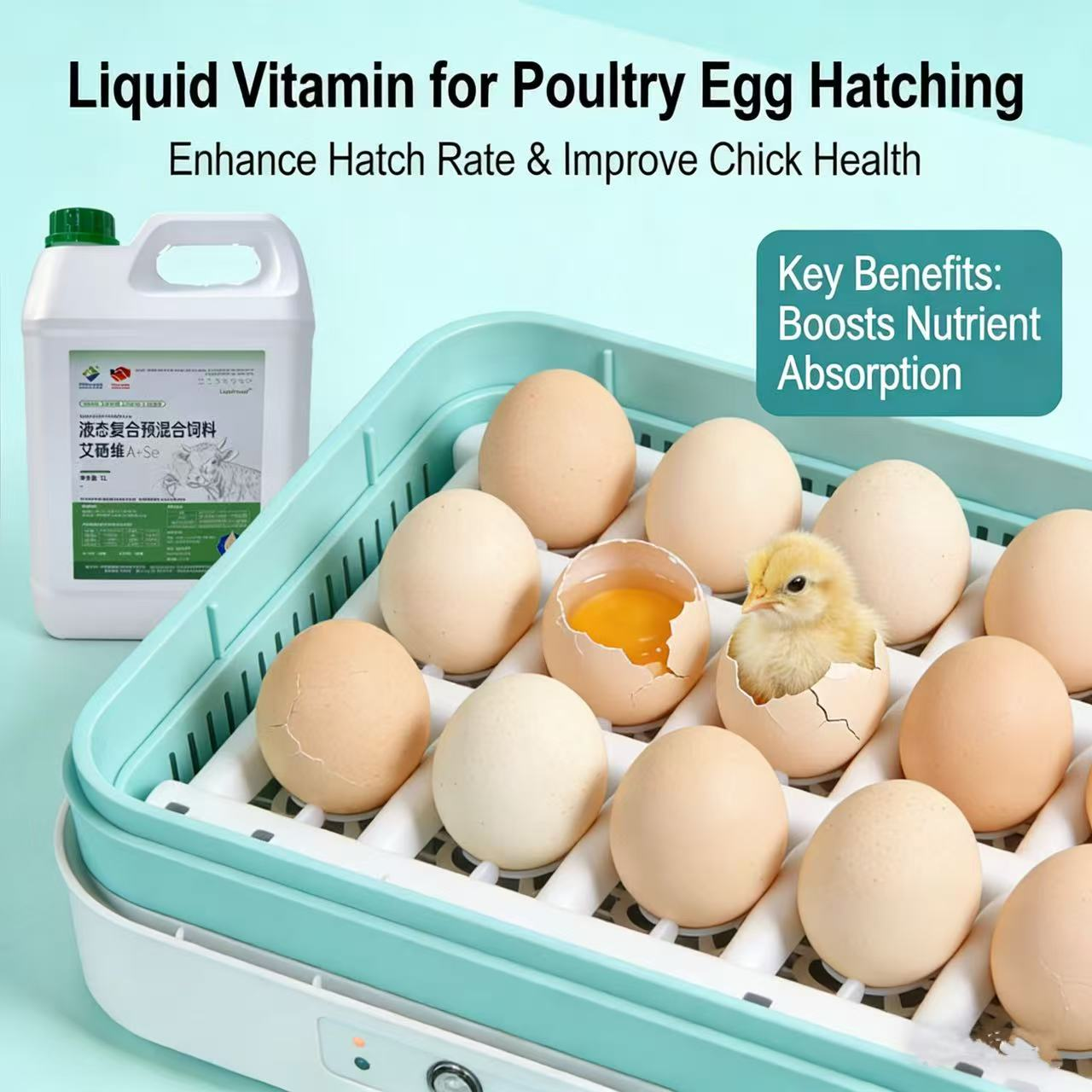
Vitamin E and Selenium: Antioxidant Protection for Embryo Viability and Hatching Eggs Storage
Oxidative stress during storage directly compromises yolk lipids and embryonic membranes in hatching eggs. Free radicals attack polyunsaturated fatty acids in the yolk, degrading membrane integrity and increasing embryonic mortality—especially when storage exceeds 7 days or ambient temperatures rise above 17°C.
How oxidative stress degrades yolk lipids and embryonic membranes during hatching eggs storage
When eggs are stored for too long, it starts a chain reaction called lipid peroxidation that affects both yolk sacs and developing embryos. Malondialdehyde or MDA builds up over time, especially when storage conditions include higher temperatures. The longer they sit, the more MDA accumulates. This buildup actually weakens those protective membrane layers around the yolk and makes hatching less likely overall. Research shows keeping vitamin E levels above 100 IU per kilogram of feed cuts down on these harmful reactions by about one third during typical two week storage periods. For poultry farmers dealing with egg quality issues, this kind of nutritional adjustment can make a real difference in hatch rates.
Mechanism: Synergistic enhancement of glutathione peroxidase (GPx) and reduction of malondialdehyde (MDA) in reproductive tissues
Vitamin E and selenium act synergistically: selenium is incorporated into selenoproteins like glutathione peroxidase (GPx), which neutralizes hydrogen peroxide in reproductive tissues; vitamin E simultaneously scavenges lipid peroxyl radicals, halting chain-propagating peroxidation. Research shows that supplementing organic selenium at 0.3 ppm alongside 150 IU vitamin E/kg feed:
- Boosts GPx activity by 22% in oviduct tissue
- Lowers MDA concentrations in yolks by 41%
- Increases viable chick output by 15% versus baseline diets
This synergy enhances fertility and embryo viability—not just by preventing damage, but by enabling continuous antioxidant recycling. Selenium regenerates oxidized vitamin E, sustaining its protective capacity across critical developmental windows in hatching eggs.
Calcium and Vitamin D3 Metabolites: Strengthening Shell Integrity and Supporting Embryonic Skeletal Development in Hatching Eggs
Consequences of poor shell quality: Increased early embryonic mortality and microbial contamination risk in hatching eggs
Eggshells that are too thin or full of tiny holes put embryos at serious risk. When the shell isn't strong enough, bad bacteria such as Salmonella can actually get through the protective membrane around the egg. This kind of contamination is behind about 18 to 22 percent of all embryo deaths within the first seven days of being in an incubator. Weak shells also mean there's not enough calcium available for proper bone development inside the growing chick. Without sufficient minerals, we see problems like twisted beaks, broken bones, and organs that don't form correctly. For commercial hatcheries across the industry, shell issues remain a major concern since they're responsible for well over 30% of all lost embryos during production cycles.
Advantage of 25-OH-D3 over cholecalciferol: Enhanced calcium absorption and calbindin-D28k expression in shell gland and chorioallantois
The compound known as 25-hydroxycholecalciferol (often called 25-OH-D3) actually works better than regular vitamin D3 because it skips over some complicated liver processes that normally slow things down. When applied, it boosts calbindin-D28k levels in the shell glands by around three times what we see with standard vitamin D. This means calcium moves faster through the system, leading to shells that are thicker and less likely to let moisture escape. As eggs develop inside their shells during incubation, 25-OH-D3 gets to work on special receptors found in something called the chorioallantoic membrane. This action helps move about 40 percent more calcium from the shell into the growing embryo. Real world testing has shown interesting results too – chickens raised on feed containing 25-OH-D3 tend to have tibias that are roughly 15% stronger than birds getting just plain old cholecalciferol supplements.
Organic Trace Minerals: Optimizing Yolk Micronutrient Deposition for Embryo Resilience in Hatching Eggs
Critical role of yolk zinc, manganese, and phosphorus in chondrogenesis and innate immune programming
Zinc and manganese play key roles in activating metalloenzymes needed for collagen production and developing cartilage (a process called chondrogenesis). Phosphorus is also important because it helps move energy around cells through ATP during tissue formation. When birds lack these minerals, studies show about 18 to 24 percent more embryos end up with deformities in commercial poultry operations. These nutrients do something really important for the body's defenses too. Zinc boosts the production of interleukin-2 in those special cells called macrophages found in the yolk sac, which acts as the embryo's first line of protection against infections. Meanwhile, manganese works with an enzyme known as superoxide dismutase to clean up harmful free radicals that get created when there's inflammation going on in the body.
Superior bioavailability: Organic forms (Zn-Met, Mn-Hydroxy, Cu-Proteinate) boost yolk mineral deposition by 22–37% vs. inorganic sulfates
Organic trace minerals (OTMs) such as zinc methionine and manganese hydroxy analog exhibit superior intestinal absorption due to stable ligand bonding, which minimizes antagonism from dietary phytates. Studies show OTMs increase yolk zinc deposition by 29% and manganese by 37% compared to inorganic sulfates—translating directly to improved hatch outcomes:
| Mineral Form | Yolk Deposition Increase | Hatch Rate Improvement |
|---|---|---|
| Organic (OTMs) | 22–37% | 6–9% |
| Inorganic Sulfates | Baseline | Baseline |
This enhanced delivery stems from amino acid-chelated minerals bypassing dissociation in the gut and entering enterocytes via peptide transporters—ensuring embryos receive robust micronutrient reserves for critical developmental phases in hatching eggs.
Carotenoids and Vitamin A: Modulating Hatchability Through Breed-Specific and Environmental Adaptation in Hatching Eggs
The role of carotenoids and vitamin A in hatchability cannot be overstated since they support both embryonic development and help chicks withstand various stresses. These nutrients play important roles in boosting immunity and helping cells develop properly during incubation, though exactly what each flock needs depends heavily on their genetic makeup and where they're raised. Take modern broiler chickens for instance they typically need more carotenoids and vitamin A in their diets compared to older heritage breeds. This difference comes down to how their bodies process nutrients differently and grow at much faster rates inside the egg. When birds face environmental challenges such as extreme heat or diseases, mothers naturally pass along even more of these vital nutrients through their eggs. Research shows that hens living in tropical climates actually have yolks containing 18 to 27 percent more retinol than those from cooler areas, which helps combat increased oxidation damage. Farmers who tailor feed formulations specifically for these needs see better results. For example, adding marigold extracts rich in xanthophylls gives chicks natural protection against oxidative stress while also enhancing feather coloration. Retinyl acetate supplements ensure proper absorption of vitamin A without going overboard. Such targeted approaches keep embryos healthy throughout different farming conditions and ultimately lead to stronger hatchlings ready to thrive right from day one.
Table of Contents
- Vitamin E and Selenium: Antioxidant Protection for Embryo Viability and Hatching Eggs Storage
- Calcium and Vitamin D3 Metabolites: Strengthening Shell Integrity and Supporting Embryonic Skeletal Development in Hatching Eggs
- Organic Trace Minerals: Optimizing Yolk Micronutrient Deposition for Embryo Resilience in Hatching Eggs
- Carotenoids and Vitamin A: Modulating Hatchability Through Breed-Specific and Environmental Adaptation in Hatching Eggs