 EN

Calcium: The Foundational Nutrient for Egg Shell Quality
Physiological Role of Calcium in Shell Matrix Formation and Calcification
Calcium is the primary mineral determinant of egg shell quality—supplying both the structural foundation and the raw material for shell matrix formation and calcification. Within the shell gland, epithelial cells secrete a protein-rich organic matrix while carbonic anhydrase converts CO₂ into bicarbonate. Calcium ions then bind to matrix proteins and precipitate as calcium carbonate crystals—the dominant component of the shell, accounting for ~95% of its weight. A 60 g egg contains approximately 2.3 g of calcium. Prior to lay, pullets require minimal calcium; however, onset of production increases daily demand at least fourfold, with nearly all additional calcium directed toward shell synthesis. When dietary intake falls short, hens rapidly mobilize calcium from medullary bone—a specialized, metabolically active reserve. Repeated depletion without adequate replenishment compromises skeletal integrity and can progress to caged-layer fatigue. Thus, calcium’s dual role—as both a skeletal reservoir and the direct precursor to shell mineralization—makes consistent daily supply the central physiological lever for producing thick, uniform shells and preserving long-term hen mobility.
Optimal Daily Intake, Particle Size, and Timing Relative to Oviposition
Shell quality depends not only on total calcium concentration but critically on intake timing, particle size, and bioavailability. Commercial layer feeds typically contain 3.0–3.5% calcium. On shell-forming days, 60–75% of shell calcium originates from dietary sources—not bone reserves—making consistent feed intake indispensable. Solubility matters: coarse limestone or oyster shell (33–38% Ca) dissolves slowly, sustaining blood calcium levels through the nocturnal peak of shell calcification. In contrast, fine limestone absorbs too rapidly and often fails to support late-night mineralization. Field trials consistently link coarse calcium supplementation—especially when top-dressed in the afternoon—to improved shell strength and reduced breakage. While coarse particles may challenge pellet durability and feed mill efficiency, strategic timing aligns calcium availability with uterine demand, preventing transient deficits that total dietary percentage alone cannot resolve.
Phosphorus and the Ca:P Ratio: Balancing Mineral Deposition for Stronger Shells
Why a 3.5:1 to 4.5:1 Calcium-to-Phosphorus Ratio Maximizes Egg Shell Quality
Phosphorus supports shell gland energy metabolism and enzyme function—but calcium must dominate mineral intake. A total dietary calcium-to-phosphorus ratio of 3.5:1 to 4.5:1 optimizes shell quality by enabling efficient intestinal calcium absorption while minimizing phosphorus-induced calcium binding. At this ratio, sufficient calcium reaches the shell gland without excess phosphorus forming insoluble Ca–P complexes or impairing ATP-dependent calcium transport. Research shows peak shell breaking strength near a 4:1 ratio (2021). Diets below 3.5:1 risk calcium insufficiency during late-afternoon calcification; those above 4.5:1 may depress phosphorus availability and reduce feed intake, lowering overall mineral retention. Maintaining this balance ensures calcium is prioritized for shell formation rather than excreted or sequestered.
Consequences of Imbalance: Thinner Shells, Increased Breakage, and Medullary Bone Depletion
Deviations from the optimal Ca:P range directly compromise shell integrity and skeletal health. Excess available phosphorus (>0.45%) inhibits calcium absorption and reduces shell thickness; controlled pen studies report a 2–3 percentage point rise in cracked eggs under high-phosphorus conditions (2000). Hens compensate by intensifying medullary bone resorption—depleting this critical reserve and weakening skeletal structure. Conversely, low phosphorus diets impair bone formation and also trigger medullary bone mobilization, as the hen prioritizes shell synthesis over skeletal maintenance. The outcome is thinner shells, higher breakage during handling and transport, and increased lameness or cage fatigue. Sustaining the 3.5:1–4.5:1 ratio is therefore essential—not just for shell strength, but for protecting long-term flock productivity and welfare.
Vitamin D3 and Vitamin E: Essential Regulators of Calcium Metabolism and Oxidative Stability
Vitamin D3’s Dual Role in Intestinal Calcium Absorption and Shell Gland Calbindin Expression
Vitamin D3 governs calcium flux at two key points: intestinal absorption and uterine delivery. Its active form, 1,25-dihydroxyvitamin D₃, binds nuclear receptors in enterocytes to upregulate calcium transport proteins—including calbindin-D28k—enhancing gut calcium uptake. Simultaneously, it induces calbindin expression in the shell gland, facilitating calcium movement into uterine fluid for crystallization. Insufficient vitamin D3 limits calcium delivery to the shell gland during peak calcification, resulting in uneven mineral density, reduced breaking strength, and higher incidence of soft-shelled or cracked eggs. Nutrition guidelines recommend 3,000–4,000 IU/kg feed to sustain this dual regulatory function and maintain calcium homeostasis across the production cycle.
Vitamin E as a Protective Antioxidant Against Lipid Peroxidation in Shell Gland Tissue
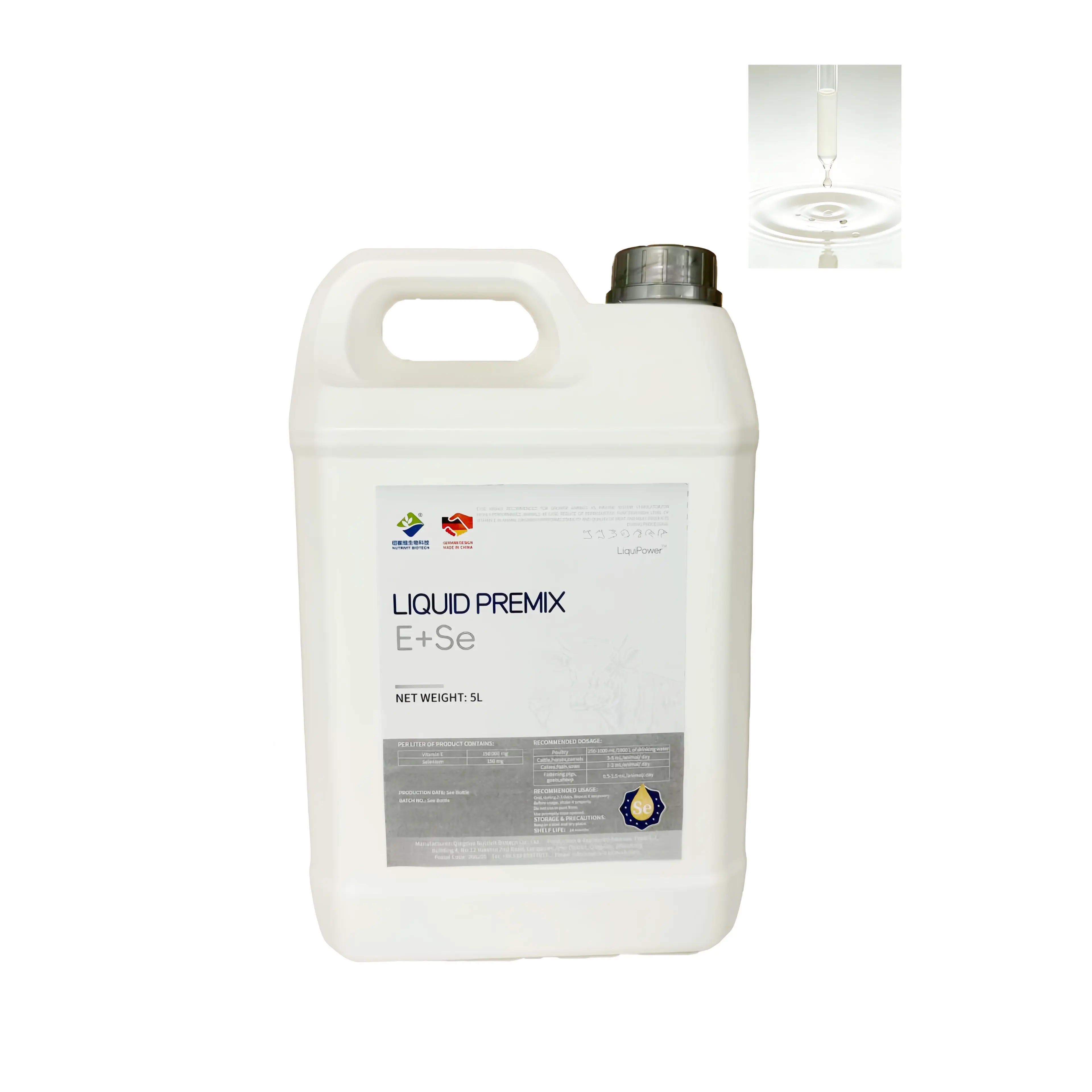
Vitamin E safeguards shell gland function by neutralizing reactive oxygen species (ROS) that drive lipid peroxidation in uterine cell membranes. Under heat stress or high laying intensity, oxidative load increases—damaging membrane integrity and disrupting calcium transport mechanisms. As a lipid-soluble antioxidant, vitamin E donates electrons to free radicals, halting chain reactions and preserving cellular architecture. This protection maintains efficient calcium transfer into the forming shell. Supplementing 100–200 mg/kg feed helps sustain antioxidant capacity, particularly during environmental or metabolic challenges. Hens with robust vitamin E status consistently produce fewer thin-shelled and cracked eggs—highlighting its role not in mineral supply, but in preserving the biological machinery that deposits it.
Trace Minerals Zinc and Manganese: Enzymatic Enablers of Egg Shell Ultrastructure
Zinc-Dependent Carbonic Anhydrase and Its Critical Function in CO₂ Hydration for Calcium Carbonate Deposition
Zinc serves as an essential cofactor for carbonic anhydrase—the enzyme responsible for hydrating CO₂ into bicarbonate and protons in the shell gland. Bicarbonate provides the carbonate ion required for calcium carbonate crystal formation. Even marginal zinc deficiency reduces carbonic anhydrase activity, limiting carbonate availability during rapid calcification and resulting in lighter, thinner, and weaker shells. Zinc also contributes to shell membrane development in the isthmus and influences crystal morphology and texture. A 2024 trace mineral review confirms zinc’s non-redundant role in supplying carbonate precursors and maintaining ultrastructural integrity. Organic or combined organic-inorganic zinc sources have demonstrated measurable improvements in shell thickness and breakage reduction in commercial flocks—underscoring that zinc status directly modulates the rate-limiting step in shell mineralization.
Manganese’s Role in Glycosyltransferase Activity for Shell Membrane and Cuticle Integrity
Manganese activates glycosyltransferase enzymes that synthesize glycosaminoglycans—the carbohydrate components of proteoglycans embedded in the shell’s organic matrix. These proteoglycans define the scaffold guiding calcium carbonate crystal orientation, texture, and cuticle deposition. Manganese deficiency impairs glycosyltransferase function, reducing glycosaminoglycan synthesis and compromising membrane and cuticle integrity. Affected eggs show uneven surface texture, diminished cuticle coverage, and heightened susceptibility to cracking and microbial penetration. Unlike zinc—which supplies the mineral precursor—manganese governs the organic framework upon which minerals organize. By regulating proteoglycan synthesis, manganese directly shapes shell ultrastructure, durability, and barrier function—making it indispensable for both mechanical resilience and food safety in layer production.
FAQ
Why is calcium important for egg shell quality?
Calcium provides the structural foundation for egg shells and is essential for calcification. It accounts for about 95% of the shell’s weight and ensures shell strength and uniformity.
How much calcium should be included in a hen’s diet?
Commercial layer feeds typically consist of 3.0–3.5% calcium. Coarse calcium sources delivered in the late afternoon are optimal to sustain nocturnal shell calcification.
What is the ideal calcium-to-phosphorus ratio for egg shell quality?
A calcium-to-phosphorus ratio of 3.5:1 to 4.5:1 is recommended for optimal calcium absorption and shell quality, without causing phosphorus deficiency.
How do vitamins D3 and E support egg shell quality?
Vitamin D3 aids calcium absorption in the intestines and facilitates shell gland calcium transport, while vitamin E protects against oxidative stress that could damage shell gland cells.
What role do zinc and manganese play in shell formation?
Zinc supports key enzymes necessary for calcium carbonate deposition, whereas manganese enhances the organic matrix required for shell membrane and cuticle integrity.
Table of Contents
- Calcium: The Foundational Nutrient for Egg Shell Quality
- Phosphorus and the Ca:P Ratio: Balancing Mineral Deposition for Stronger Shells
- Vitamin D3 and Vitamin E: Essential Regulators of Calcium Metabolism and Oxidative Stability
- Trace Minerals Zinc and Manganese: Enzymatic Enablers of Egg Shell Ultrastructure
- FAQ