 EN
EN

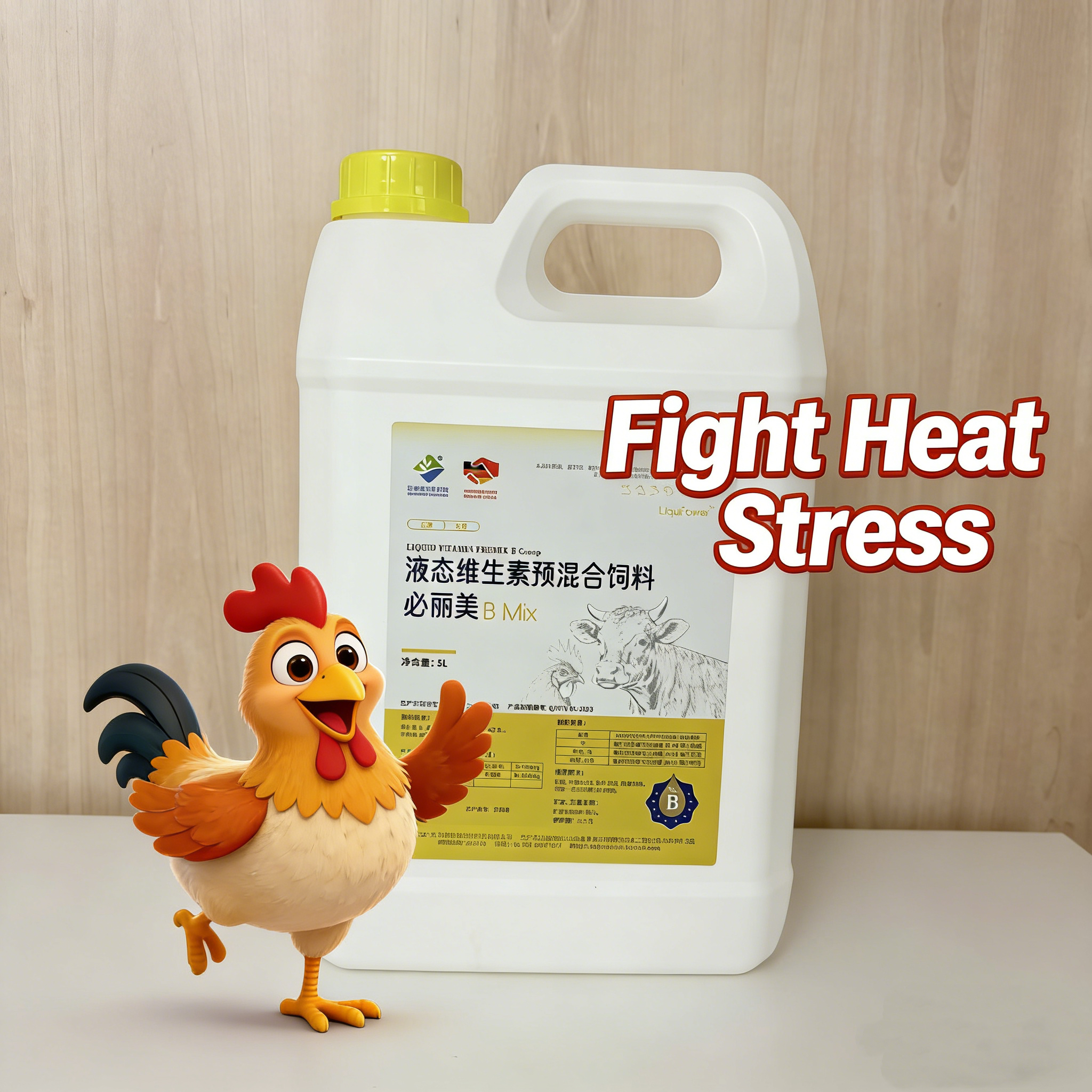
The Physiology of Heat Stress in Broilers
Thermoregulatory limits and critical thresholds: Why 32°C triggers metabolic crisis
Broilers are homeothermic animals with a normal body temperature of 41–42 °C and a narrow thermoneutral zone—18–21 °C—where growth is optimized without extra energy spent on thermoregulation. Once ambient temperatures exceed 25 °C, physiological strain begins; at 32 °C, the thermal gradient between the bird’s core and environment collapses, eliminating sensible heat loss via convection and radiation. Birds then rely almost exclusively on evaporative cooling through panting—a process that paradoxically increases metabolic heat production and accelerates energy depletion. Prolonged exposure to this threshold rapidly overwhelms thermoregulatory capacity, triggering oxidative stress, respiratory alkalosis, systemic inflammation, and disrupted energy metabolism. Studies have linked sustained 32 °C exposure to measurable reductions in liver and heart weights—clear indicators of metabolic dysfunction and reallocated energy reserves away from growth.
Behavioral and physiological markers: Panting, reduced feed intake, and immune suppression
Heat stress elicits immediate, observable behavioral responses—including increased panting, wing-spreading, reduced activity, and attempts to locate cooler microclimates—but these adaptations are often inadequate. Panting elevates respiratory rate dramatically, causing excessive CO₂ loss and subsequent respiratory alkalosis, which disrupts blood pH and electrolyte balance. Concurrently, birds voluntarily reduce feed intake by up to 30 % to minimize heat generated during digestion—a protective but productivity-limiting strategy that directly impairs weight gain and feed efficiency. At the systemic level, elevated corticosterone suppresses lymphocyte proliferation and antibody synthesis, weakening innate and adaptive immunity. This immunosuppression heightens susceptibility to opportunistic pathogens and increases mortality risk. Together, these interlinked responses—panting, anorexia, and immune compromise—represent a coordinated yet maladaptive physiological cascade that rapidly undermines both health and performance.
Consequences of Unmanaged Heat Stress on Sustainability Metrics
When heat stress goes unmanaged, its impact extends far beyond transient performance dips. It systematically erodes the foundational pillars of sustainable poultry production: productivity, animal welfare, and economic viability—transforming a biological challenge into a direct financial and ethical liability.
Productivity erosion: Declining FCR, weight gain, and increased mortality
The most immediate consequence is a sharp decline in production efficiency. Reduced feed intake curtails nutrient and energy availability for growth, directly depressing weight gain. Simultaneously, diverted energy toward maintenance and panting degrades Feed Conversion Ratio (FCR), as less ingested energy translates into muscle accretion. A comprehensive review notes that severe heat waves can increase mortality by up to 5%, costing a mid-sized farm approximately $740 k (Ponemon 2023). This triad—lower weight gain, worsening FCR, and elevated mortality—creates persistent inefficiencies that undermine long-term operational sustainability and profitability.
Welfare–efficiency trade-off: How heat stress undermines both animal welfare and farm profitability
Critically, heat stress exposes a false dichotomy between welfare and economics: distress behaviors like labored panting and lethargy are not just welfare failures—they are drivers of economic loss. The same physiological cascade that causes suffering also suppresses immunity, increasing disease incidence and amplifying performance losses. For example, a leading integrator observed a heat-stressed flock suffer a 12% reduction in weight gain and a 40% spike in mortality compared to a cooled control group within one week. This demonstrates how compromised welfare directly fuels profit erosion—proving that long-term profitability is inseparable from consistent, biologically informed bird comfort.
Integrated Heat Stress Management Strategies for Commercial Poultry Farms
Environmental control: Precision ventilation, evaporative cooling, and shed design best practices
Environmental management remains the most effective first-line intervention. Tunnel ventilation—using large exhaust fans at one end and evaporative cooling pads at the opposite end—creates uniform airflow (2–3 m/s) across the flock, lowering effective temperature by 5–7°C through wind-chill. In dry climates, properly maintained cooling pads can reduce inlet air temperature by up to 8°C. Structural best practices include roof insulation with a minimum R-value of 20, reflective roofing materials, strategically placed air inlets and outlets, and adjustable curtains or baffles to ensure even airflow distribution. As emphasized in Wasti et al. (2020), proactive system maintenance—such as cleaning pads to prevent clogging—and integration of automated controllers that respond to real-time temperature-humidity indices are essential to sustain performance and welfare during peak heat.
Nutritional interventions: Electrolyte supplementation, antioxidant fortification, and pelleted feed optimization
Nutrition serves as a vital complementary strategy. Electrolyte supplementation—especially potassium chloride—helps correct acid-base imbalances caused by panting-induced bicarbonate loss, typically delivered via drinking water during hot periods. Antioxidant fortification with vitamins E and C and selenium mitigates oxidative damage and supports immune resilience; research shows dietary vitamin E at 250 mg/kg improves growth under heat stress (Wasti et al., 2020). Pelleted feed enhances nutrient density while reducing feeding effort and associated metabolic heat production. Fine grinding and pelleting also improve digestibility and feed efficiency—partially offsetting reduced intake. Strategic feed restriction during peak daytime heat and inclusion of fat (which yields more energy per gram with lower heat increment) further support thermal resilience. These nutritional adjustments, when aligned with robust environmental controls, significantly buffer broilers—particularly during the vulnerable finishing phase—against summer heat stress without compromising welfare or productivity.
FAQ
What is heat stress in broilers?
Heat stress in broilers occurs when the ambient temperature exceeds their thermoneutral zone (18–21 °C), leading to physiological and behavioral changes that diminish growth and productivity.
Why is 32°C a critical threshold for broilers?
At 32°C, the thermal gradient between the bird's body and its environment collapses, eliminating sensible heat loss and forcing the bird to rely on energy-draining evaporative cooling mechanisms like panting.
What are the common signs of heat stress in broilers?
Key signs include excessive panting, wing-spreading, reduced feed intake, lethargy, and attempts to find cooler areas.
How does heat stress affect broiler health and performance?
Heat stress can lead to decreased feed intake, reduced weight gain, poor feed conversion ratio, immune suppression, oxidative stress, and increased mortality rates, compromising both bird welfare and farm profitability.
What are the best strategies to manage heat stress in poultry farms?
Effective strategies include environmental control (e.g., tunnel ventilation, evaporative cooling), nutritional interventions (e.g., electrolyte supplementation, antioxidant fortification), and adopting structural designs like proper insulation and airflow management.