 EN
EN

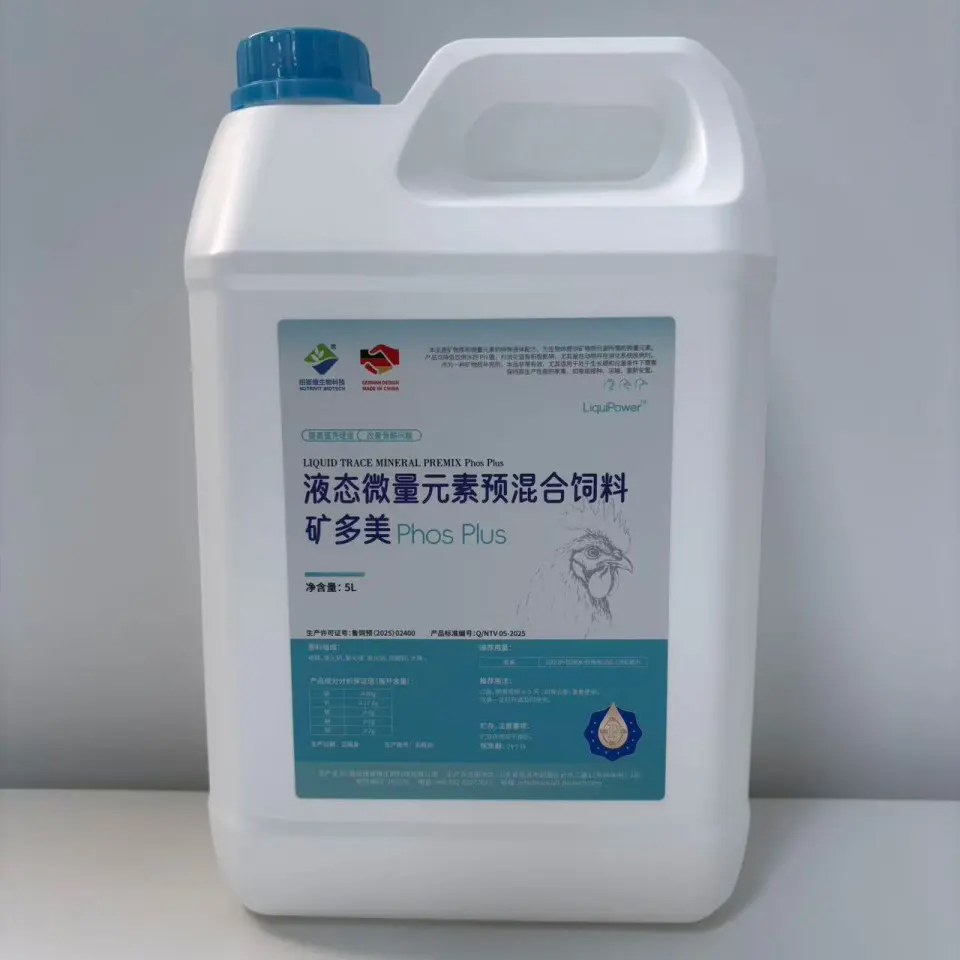
Traces and Eggshell Structural Integrity: Zinc, Manganese, and Copper
Mechanisms of Trace Mineral Integration into Eggshell Matrix Formation
Zinc, manganese, and copper serve as essential enzymatic cofactors in eggshell formation—each governing a distinct structural phase. Zinc-dependent carbonic anhydrase catalyzes CO₂ hydration to bicarbonate, supplying the carbonate ions needed for calcium carbonate crystallization; this step directly shapes crystal morphology and shell texture. Zinc also supports albumen deposition in the magnum and shell membrane formation in the isthmus, reinforcing structural continuity from interior to exterior. Manganese activates glycosyltransferases and polymerases that synthesize glycosaminoglycans—the proteoglycan matrix upon which calcium carbonate crystals nucleate and align. Copper, via lysyl oxidase, drives collagen and elastin cross-linking in the shell membrane, conferring tensile strength critical for subsequent calcification. Deficiencies disrupt this cascade: low zinc yields thinner, mechanically weaker shells; manganese insufficiency causes disorganized matrix architecture and brittle shells; copper deficiency compromises membrane integrity, resulting in misshapen eggs with poor fracture resistance. Supplementing with bioavailable forms—especially amino acid chelates—ensures efficient delivery to target tissues and optimal enzyme function across all stages of shell biomineralization.
Field Evidence: 12% Increase in Eggshell Strength with Organic Mn + Zn Supplementation
Field trials confirm the functional advantage of organic trace mineral supplementation. A 2023 laying hen study reported a 12% increase in eggshell breaking strength when diets included organic zinc and manganese chelates—specifically zinc methionine and manganese methionine—compared to equivalent inorganic sources (zinc sulfate, manganese oxide). The chelated forms demonstrated markedly higher intestinal absorption and tissue retention, translating directly to enhanced activity of carbonic anhydrase and matrix-synthesizing enzymes. Even within regulatory limits on total trace mineral inclusion, replacing part or all of the inorganic fraction with organic alternatives yielded consistent improvements in shell thickness, deformation resistance, and post-lay breakage rates. This evidence underscores that bioavailability—not just total dietary concentration—is the decisive factor in achieving robust eggshell integrity at scale.
Traces and Embryo Viability: Selenium, Iodine, and Antioxidant Protection
Trace minerals selenium and iodine are indispensable for embryonic development—not as structural components, but as molecular regulators of redox balance and endocrine signaling. Their maternal transfer into the egg determines antioxidant capacity, metabolic programming, and hatching competence. Selenium, primarily as L-selenomethionine, is incorporated into selenoproteins such as glutathione peroxidase (GPx), which protect rapidly dividing embryonic cells from oxidative damage. Iodine serves as the exclusive precursor for thyroid hormones T3 and T4, which orchestrate energy metabolism, neural maturation, and the transition to pulmonary respiration. Deficiencies in either nutrient trigger cascading failures: elevated early embryonic mortality, delayed hatch timing, weak pipping, and reduced post-hatch vigor.
L-Selenomethionine Enhances Embryonic Antioxidant Capacity and Reduces Early Mortality
L-Selenomethionine is preferentially absorbed via methionine transporters in the yolk sac, enabling efficient tissue accumulation—unlike inorganic selenite, which suffers from low bioavailability and variable retention. Once incorporated, it elevates GPx activity in embryonic tissues, neutralizing reactive oxygen species generated during lipid metabolism and organogenesis. A 2022 broiler breeder trial found that supplementing diets with 0.3 mg/kg L-selenomethionine increased GPx activity in day-old chicks by 34% and lowered embryonic mortality before day 7 of incubation by 11%. Meta-analyses corroborate these findings, linking organic selenium to a 9–12% reduction in early losses—particularly during the high-metabolic-demand window of days 3–6. Without sufficient selenium, embryos experience unchecked lipid peroxidation, leading to mitochondrial dysfunction, membrane instability, and developmental arrest.
Iodine Deficiency Impacts Thyroid Hormone Synthesis and Hatchability
Iodine must be deposited into the egg by the hen prior to lay, as the embryonic thyroid gland—functional only after day 10–12 of incubation—relies entirely on maternal reserves to synthesize T3 and T4. These hormones regulate metabolic rate, neural differentiation, and the shift from allantoic to pulmonary gas exchange. When maternal iodine supply is inadequate, embryos fail to generate sufficient T3, resulting in delayed internal pipping, weak respiratory musculature, and impaired yolk sac absorption. A 2020 field study showed flocks fed iodine-deficient diets (≤0.2 mg/kg) had 8% lower hatchability and a 15% rise in late-term deaths compared to those receiving 0.5 mg/kg iodine. Adequate iodine ensures timely thyroid activation, supporting the energy burst required for external pipping and promoting full yolk utilization—key determinants of chick vitality at hatch.
Bioavailability Matters: Why Organic Traces Outperform Inorganic Sources
MMHAC and Chelated Complexes Improve Ileal Retention and Tissue Delivery
Organic trace minerals—including MMHAC (Methionine Hydroxy Analog Chelate) and amino acid chelates—are engineered to resist dissociation in the acidic gizzard and upper intestine, avoiding precipitation with phytates, fiber, or dietary calcium. This stability enables targeted release and absorption in the ileum, where active transport systems uptake intact complexes. A 2021 meta-analysis confirmed chelated zinc improved ileal retention by 34% and embryonic tissue deposition by 22% versus inorganic zinc sulfate. Similarly, MMHAC manganese increased yolk manganese concentration by 15% in breeder hens—directly enhancing embryonic antioxidant enzyme synthesis and skeletal development. This superior delivery efficiency reduces fecal excretion, minimizes environmental impact, and ensures precise nutrient allocation to the egg—supporting both shell biomineralization and embryonic viability without exceeding regulatory thresholds.
The Traces-Driven Cascade: From Shell Quality to Hatchling Vigor
The path from fertile egg to vigorous hatchling is orchestrated by trace minerals acting in concert across developmental stages. Organic zinc, manganese, and copper establish a structurally sound eggshell—not merely as physical armor, but as a dynamic regulator of gas diffusion and moisture loss. A well-mineralized shell maintains optimal water vapor conductance, preventing embryonic dehydration and preserving amniotic fluid viscosity critical for movement and lung development. Simultaneously, maternal transfer of L-selenomethionine and iodine into the yolk equips the embryo with its first-line biochemical defenses: selenium-derived GPx shields proliferating cells from oxidative stress, while iodine-derived thyroid hormones drive the metabolic ramp-up required for internal pipping, lung maturation, and yolk sac absorption. This synergy manifests concretely at hatch: a 2023 field trial of flocks on an integrated organic trace mineral program recorded a 2.5% increase in chick yield (chick weight relative to egg weight), alongside marked reductions in culling for unhealed navels and leg weakness. By optimizing both the egg’s physical architecture and its internal nutrient reserves, precision trace mineral nutrition transforms biological potential into measurable hatchery performance—delivering chicks with superior thermoregulation, immune readiness, and skeletal integrity for rapid post-hatch adaptation.
FAQs
What is the role of zinc in eggshell formation?
Zinc plays a key role as an enzymatic cofactor in eggshell formation. It supports CO₂ hydration to bicarbonate, facilitating calcium carbonate crystallization, and aids albumen and shell membrane deposition, ensuring structural integrity.
Why is manganese crucial for eggshell integrity?
Manganese activates glycosyltransferases and polymerases that synthesize the glycosaminoglycan matrix. This matrix is necessary for the alignment and nucleation of calcium carbonate crystals, impacting shell strength and architecture.
How does copper influence eggshell strength?
Copper drives the cross-linking of collagen and elastin in the shell membrane via lysyl oxidase, reinforcing tensile strength essential for subsequent calcification.
What are the advantages of organic trace minerals compared to inorganic ones?
Organic trace minerals like MMHAC and amino acid chelates offer improved bioavailability, better intestinal absorption, and higher tissue retention, facilitating optimal delivery to eggs and minimizing environmental impacts.
How do selenium and iodine contribute to embryo viability?
Selenium, in its organic form (L-selenomethionine), supports antioxidant defenses via GPx, protecting embryonic cells from oxidative damage. Iodine enables thyroid hormone synthesis, regulating energy metabolism, hatch timing, and chick vigor.