 EN
EN

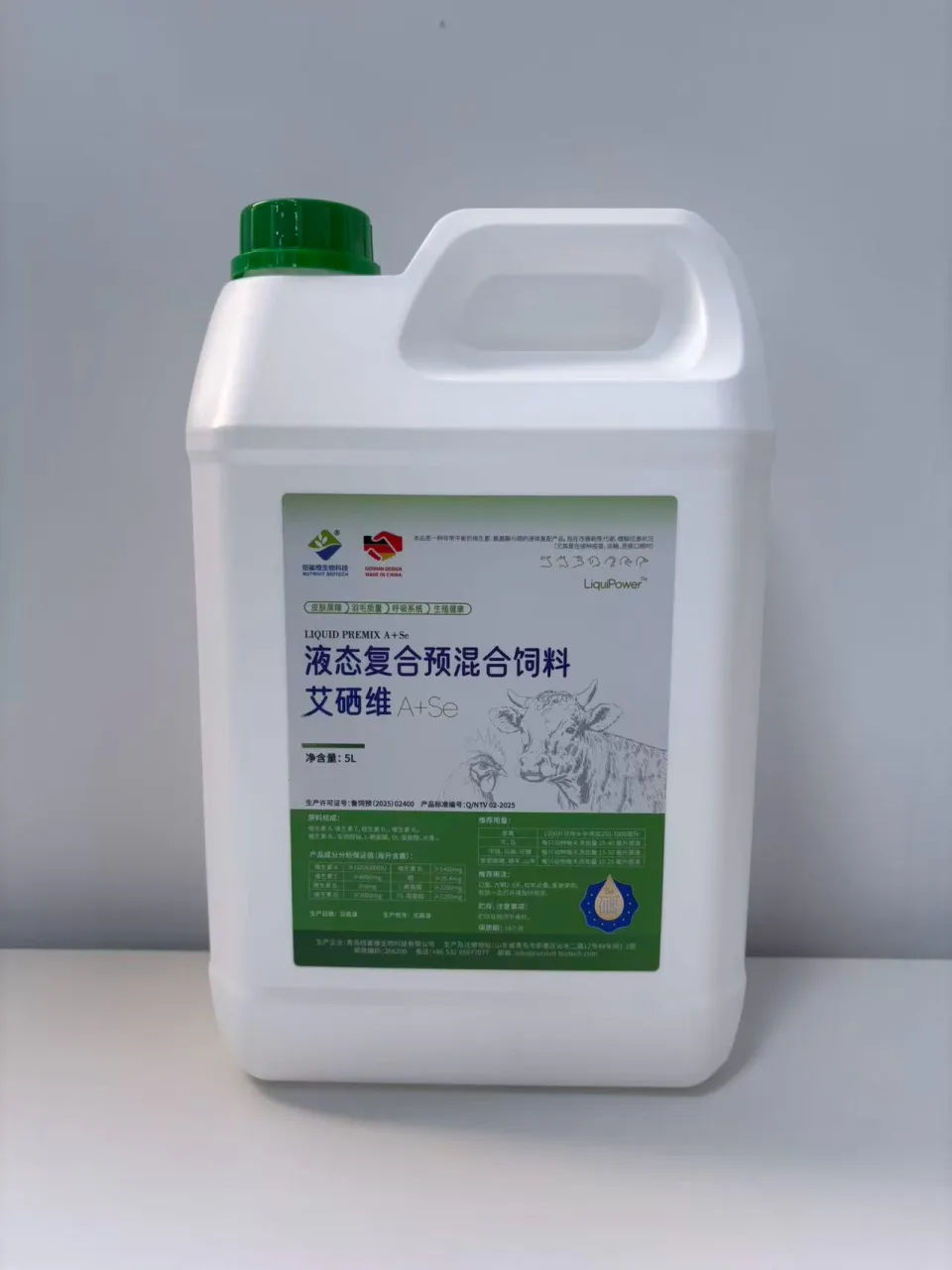
Superior Bioavailability: Why Liquid Vitamins Deliver More Active Nutrients
How Water-Soluble Liquid Delivery Maximizes Vitamin Absorption in the Avian Gut
Birds possess a short, fast-moving digestive tract—making rapid nutrient breakdown essential. Liquid vitamins bypass the dissolution step required by solid forms, presenting active compounds already dissolved in water. Because they are pre-solubilized, these nutrients avoid dependence on gastric acid or mechanical grinding for release. The villi of the small intestine can absorb water-soluble vitamins such as B-complex and vitamin C immediately, minimizing transit-time losses. This direct access elevates the fraction of dose entering portal circulation—bioavailability. Research shows liquid emulsions achieve up to 98% absorption efficiency for riboflavin in avian species, compared to roughly 75% for dry powders (Journal of Applied Poultry Nutrition, 2022). By eliminating hydrophobic binders and fillers common in tablets, liquid formulations increase active-ingredient accessibility. Critically, during heat stress or gut inflammation—when digestive enzyme activity declines—liquid delivery remains effective, ensuring consistent metabolic support without overloading digestive capacity.
Liquid Vitamins vs. Powders and Pellets: Evidence on Absorption Kinetics and Metabolic Uptake
Dry forms—powders, pellets, and coated granules—must first dissolve before cross-membrane transport begins. In a controlled broiler trial, time to peak plasma concentration of vitamin A was 3.2 hours for a liquid emulsified product versus 5.8 hours for a standard feed premix (Poultry Science, 2023). Fat-soluble vitamins face even longer delays with dry carriers, as the matrix must disintegrate and release the vitamin into the lipid-micelle phase. In contrast, micro-emulsified liquid concentrates create droplets under 200 nanometers—small enough to fuse directly with intestinal cell membranes. This bypasses bile-salt micelle formation, a known rate-limiting step in fat-soluble vitamin uptake. A 2021 meta-analysis across 12 poultry studies found liquid vitamin D3 supplementation raised serum 25-hydroxyvitamin D3 levels 22% higher than equivalent dry doses. Consistency matters just as much as speed: pellets often segregate during handling, causing uneven vitamin distribution in feed, while water-line dosing guarantees uniform intake per liter of drinking water—reducing batch variability and aligning metabolic uptake precisely with daily flock requirements.
Liquid Vitamins Strengthen Immune Resilience and Reduce Production Risks
Targeted Support from Vitamins A, C, and E in Mitigating Oxidative Stress and Pathogen Vulnerability
The rapid absorption of liquid vitamins delivers timely immune support—especially critical when stress compromises digestion. A leading poultry research institute demonstrated that liquid vitamin A supplementation restores gastrointestinal epithelial integrity within 48 hours, reinforcing the primary barrier against pathogens like Salmonella and E. coli. This is vital because stressors—including heat, transport, and high stocking density—trigger corticosterone release, which directly suppresses the avian immune system.
Vitamins C and E act synergistically in liquid form to combat oxidative stress at the cellular level. Vitamin E integrates into cell membranes, neutralizing free radicals and preventing lipid peroxidation—a key cause of immune cell damage. A 2023 meta-analysis showed liquid vitamin E reduced markers of oxidative damage in broilers by up to 30% versus dry forms. Since poultry have limited capacity to synthesize vitamin C under stress, direct provision via water line becomes essential: ascorbic acid regenerates spent vitamin E, sustains macrophage activity, and lowers circulating corticosterone—enhancing physiological resilience without injectable interventions.
Real-World Outcomes: Lower Mortality, Fewer Culls, and Reduced Antibiotic Dependence in Broiler Flocks
Cellular-level immune support translates directly into commercial advantages. Most notably, proactive liquid vitamin use consistently reduces late-cycle mortality—a period vulnerable to sudden death syndrome and ascites—protecting profit margins. Enhanced mucosal barrier function from vitamin A, combined with the antioxidant shield of vitamins C and E, yields flocks better equipped to withstand routine environmental challenges. This results in lower cull rates and improved uniformity, meaning more birds reach target weight and processing specifications.
Perhaps most consequential is the documented reduction in antibiotic dependence. Healthier mucosal surfaces and a more responsive immune system reduce secondary bacterial infections following viral challenges. The table below summarizes key performance improvements linked to liquid vitamin strategies:
| Performance Metric | Observed Outcome | Economic Impact |
|---|---|---|
| Late-Cycle Mortality | Reduction of 0.5–1.5% | Increased salable birds per flock |
| Cull Rate | Lowered incidence of leg weakness and runting | Improved feed conversion ratio at the flock level |
| Antibiotic Interventions | Fewer therapeutic treatments required | Reduced treatment costs and enhanced product marketability |
This shift—from reactive treatment to proactive health management—aligns with global standards for responsible antibiotic use and strengthens long-term flock viability.
Liquid Vitamins Enhance Layer Performance and Egg Quality Metrics
Vitamin D3 and B12 Synergy: Improving Shell Thickness, Yolk Color, and Consistent Laying Cycles
The synergistic action of vitamin D3 and B12 in liquid form directly supports the core profitability drivers for layer operations. Vitamin D3 functions as a hormonal precursor, regulating intestinal calcium absorption and its mobilization to the shell gland. Without rapidly available D3, the calcium feedback loop falters—compromising both skeletal integrity and shell deposition. A 2024 study confirmed significant linear and quadratic improvements in eggshell strength and thickness with increasing vitamin D3 levels, while deficiency led to measurable declines within four weeks. Simultaneously, vitamin B12 serves as an essential cofactor in energy metabolism, supporting consistent red blood cell formation and efficient nutrient utilization needed for sustained laying cycles. Together, they ensure hens produce structurally sound eggs while maintaining metabolic stamina—transforming nutritional input into predictable, high-value output.
Seamless Integration and Operational Advantages of Liquid Vitamins in Modern Poultry Systems
Precision Water-Line Dosing, Uniform Distribution, and Compatibility with Automated Feeding Infrastructure
Liquid vitamins integrate seamlessly with modern automated water-line systems—enabling precise, real-time dosing without manual mixing or retrofitting. Water-soluble formulations ensure uniform distribution across the entire flock, eliminating the inconsistent intake common with dry supplements mixed into feed. Compatibility with nipple drinkers, medicator pumps, and other precision infrastructure simplifies administration and reduces labor. Producers can adjust vitamin levels dynamically to match production stages or acute stressors—such as heat waves or vaccination windows—minimizing waste and optimizing resource use. Because liquid vitamins bypass the feed manufacturing process, they offer unmatched responsiveness: supplementation can begin immediately when signs of deficiency or disease challenge emerge. This operational flexibility enhances both farm efficiency and bird welfare.
Frequently Asked Questions
Why are liquid vitamins more effective for poultry?
Liquid vitamins offer higher bioavailability because they are pre-solubilized, allowing for faster and more efficient absorption than solid forms. They also bypass certain digestive processes, ensuring consistent nutrient uptake even under stress or digestive challenges.
How do liquid vitamins impact poultry immune resilience?
Liquid vitamins, such as A, C, and E, enhance immune resilience by reducing oxidative stress and strengthening gut barriers, which protect against pathogens. They also support cellular functions critical to the avian immune system.
Can liquid vitamins reduce antibiotic dependence?
Yes, regular use of liquid vitamins improves bird health by boosting immune system functionality and reducing pathogen vulnerabilities, lowering the need for antibiotics.
How do liquid vitamins improve egg quality in layers?
Liquid vitamins like D3 and B12 synergistically enhance calcium absorption for stronger eggshells and support energy metabolism for consistent laying cycles and healthier yolk pigmentation.
Are liquid vitamins easy to administer in a poultry farm setting?
Absolutely. Liquid vitamins integrate into modern automated water-line systems, enabling precise dosing and uniform distribution across large flocks, and reducing labor requirements.
Table of Contents
- Superior Bioavailability: Why Liquid Vitamins Deliver More Active Nutrients
- Liquid Vitamins Strengthen Immune Resilience and Reduce Production Risks
- Liquid Vitamins Enhance Layer Performance and Egg Quality Metrics
- Seamless Integration and Operational Advantages of Liquid Vitamins in Modern Poultry Systems
- Frequently Asked Questions