 EN
EN

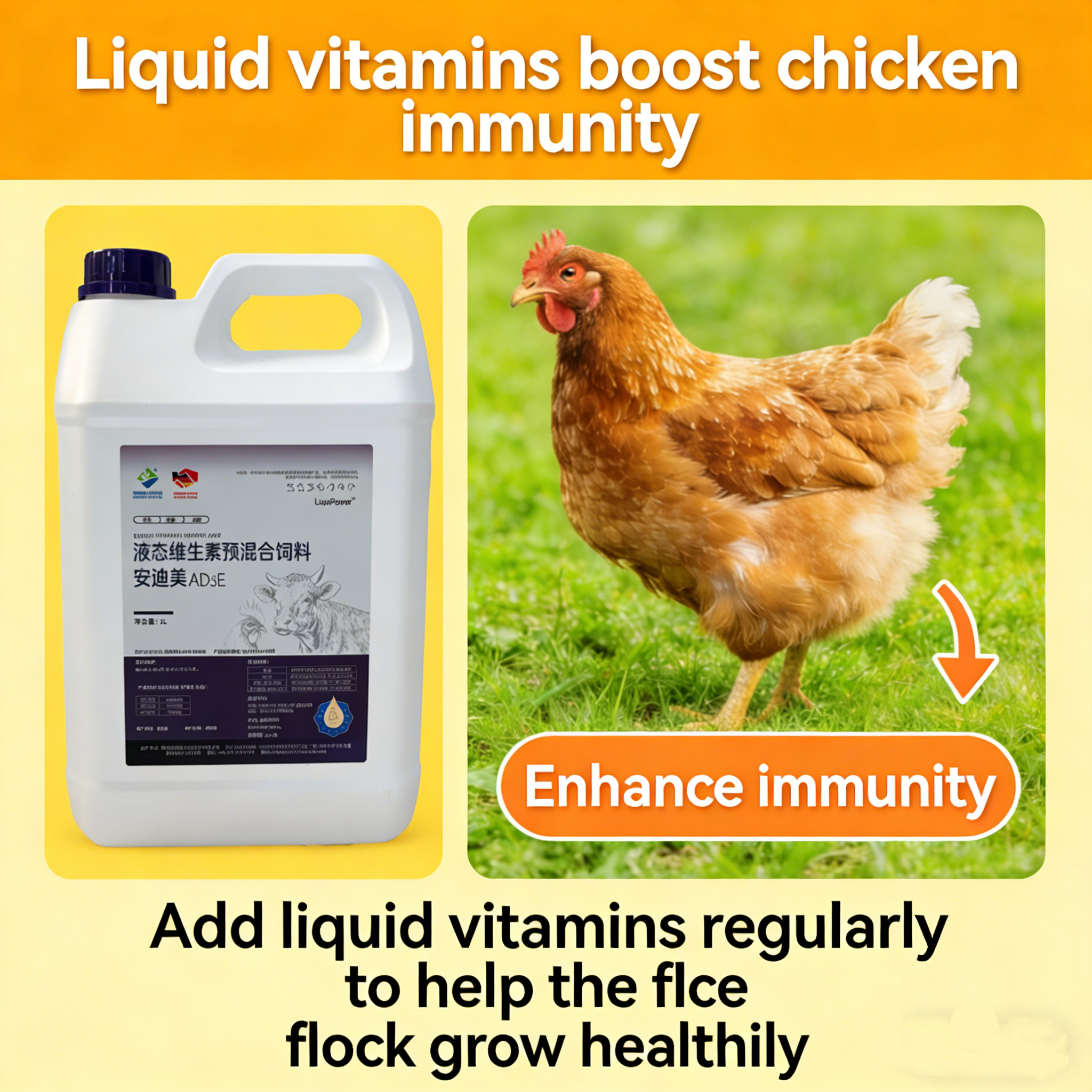
The Neonatal Immunity Gap: Why Young Livestock Are Vulnerable Without Active Immune Support
Physiological immaturity: Lack of adaptive immunity and reliance on passive transfer
When baby ruminants are born, their adaptive immune systems aren't fully developed yet. They don't have working antibodies or those specialized T-cells that fight specific antigens. Because of this, they completely rely on getting immunity from their mother's colostrum. The body can absorb Immunoglobulin G (IgG) only when the intestines are still permeable, which doesn't last long at all - usually closing up fast within the first day or so after birth. Calves that don't reach around 10 grams per liter of IgG in their blood by about 24 hours will struggle with weak defenses since their young immune cells just aren't ready to respond properly to threats. This vulnerability makes them really prone to getting sick with things like diarrhea and lung infections before their own active immunity starts developing properly between four and six weeks old. Farmers often see this as a critical period where proper feeding practices make all the difference in survival rates.
Mortality risk correlates with immune support deficits: Field data on survival thresholds
Research from actual farms shows there's definitely a link between how much immune support calves get early on and whether they survive. When calves have less than 5 grams per liter of IgG in their blood, about one out of four dies before weaning time, which is three times worse than calves that got enough good colostrum. Farms where most of the colostrum tested has IgG levels under 150 g/L tend to lose around 18% more calves before weaning compared to herds feeding better quality colostrum. Things get even worse when calves don't get enough nutrition overall. Lack of protein or energy can really mess with white blood cell production and function. Farmers who focus on proper nutrition right after birth often see mortality drop by about 30%. Most of this improvement comes from stronger immunity rather than just general health improvements.
Colostrum as the First Line of Immune Support: Timing, Quality, and Absorption Efficiency
The 6-hour golden window: Critical timing for immunoglobulin absorption to support immune system development
When baby animals are born, they have what's called an open gut period right after birth, usually around six hours long. During this time, their bodies can absorb IgG at over 50% efficiency. Once this window closes though, things change pretty fast. The gut starts closing down and absorption drops somewhere between 30 to 40 percent every single hour after that point. Getting good quality first milk into these little ones while their gut is still open makes all the difference for building up their immunity when they're most defenseless against disease. Research looking at newborn calves shows pretty clearly that those who get colostrum feedings within those critical first six hours tend to survive better. Studies from recent years indicate mortality rates drop about one third for calves fed properly during this important early window.
IgG concentration vs. calf absorption capacity: What truly determines effective immune support
Colostrum with IgG concentrations above 50 g/L definitely matters for quality standards, but what really counts for immune protection is how well it gets absorbed, not just how much gets consumed. The truth is, absorption rates vary wildly between calves even when they get the same amount of colostrum, sometimes differing by more than double. Things like difficult births, cold stress, or acid problems mess with gut function and can cut down IgG absorption by nearly half. Getting to that important target level of serum IgG around 10 g/L after 24 hours means having good quality colostrum plus working digestive systems. Looking at real world results, farms that focus on absorption through proper timing, checking calf health status, and providing extra care see about 92% survival rates compared to only 78% for those who just check colostrum concentration numbers. This shows clearly why successful immune support needs to match up colostrum quality with what newborn calves actually need physiologically.
Nutritional and Microbial Strategies That Actively Support Immune System Development
Key nutrients (zinc, vitamin A, prebiotics) that synergistically support immune system maturation
Nutrition tailored specifically for newborn animals helps fill gaps in their developing immune systems by influencing how immune cells grow and maintain protective barriers throughout the body. When calves lack enough zinc, they face a much higher chance of dying young - around 20% according to National Research Council data from 2021. This happens because zinc plays a critical role in activating thymulin and helping T-cells mature properly. Vitamin A is equally important for keeping mucous membranes intact and controlling those special intestinal cells that watch out for harmful invaders. Some studies show that adding prebiotics found naturally in cow's milk can boost secretory IgA levels by roughly 40%, which acts like armor for the gut against infections (as reported in Veterinary Immunology and Immunopathology back in 2022). These three components work together in fascinating ways: zinc boosts production from the thymus gland, vitamin A keeps the lining of organs healthy, while prebiotics feed good bacteria that train local immune defenses. Farmers have seen real results too. Field tests with livestock demonstrate that combining these three elements makes vaccines work better about 30% faster, indicating that the animal's ability to fight off diseases matures quicker than usual.
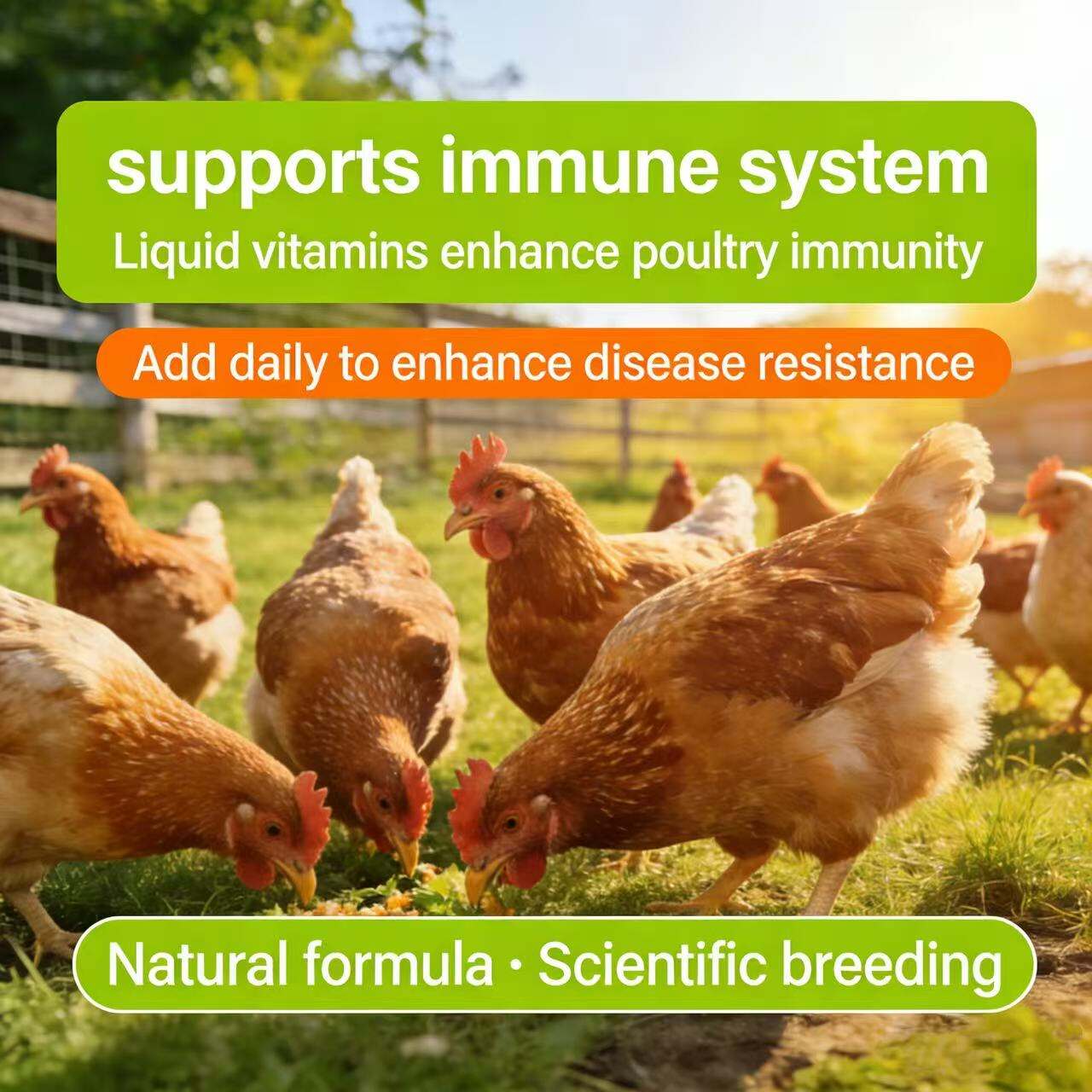
Early gut microbiome colonization as an environmental trainer for the developing immune system
The gut microbiome plays a major role in training the immune system during early life stages since roughly 70% of our immune tissues actually live in the digestive tract. When young animals get exposed to different microbes early on, their T-cells learn how to tell bad guys from friendly bacteria, building important tolerance patterns along the way. Research published last year found that calves who had rich and stable gut bacteria before being weaned showed about two and a half times more variety in their antibodies. Farmers can help this process by strategically introducing beneficial microbes through things like letting calves interact with their environment, giving them specific probiotics, and making sure they get plenty of colostrum from mothers. These efforts cut down on unnecessary inflammation reactions by almost half while improving how well the body spots actual threats. The most critical period seems to be those first eight weeks of life, where these microbial interactions set the stage for how strong and resilient the immune system will be throughout an animal's entire lifespan.
Integrated Management: Combining Hygiene, Vaccination, and Monitoring to Sustain Immune Support
Getting proper immune support requires combining different management approaches instead of treating them as separate issues. Good hygiene practices such as regular cleaning of pens, maintaining clean bedding areas, and managing waste properly all help reduce the number of pathogens present, which takes pressure off developing immune systems. Vaccination schedules should be customized for specific regions too. These programs need timing that matches when maternal antibodies start fading away, while also targeting common problems like bovine rotavirus or E. coli K99. They train the body's defenses without overloading young animals' still-developing immune responses. Regular health checks matter just as much. Keeping track of weights, checking fecal scores, assessing hydration levels, and watching animal behavior allows farmers to spot problems early on before small issues turn into serious illnesses across the whole herd. Farmers who implement these three core strategies together see real results. According to recent research published in 2023, farms that follow this comprehensive approach report around a 40% drop in avoidable deaths among newborn calves when management practices are done right.
Table of Contents
- The Neonatal Immunity Gap: Why Young Livestock Are Vulnerable Without Active Immune Support
- Colostrum as the First Line of Immune Support: Timing, Quality, and Absorption Efficiency
- Nutritional and Microbial Strategies That Actively Support Immune System Development
- Integrated Management: Combining Hygiene, Vaccination, and Monitoring to Sustain Immune Support