 EN
EN

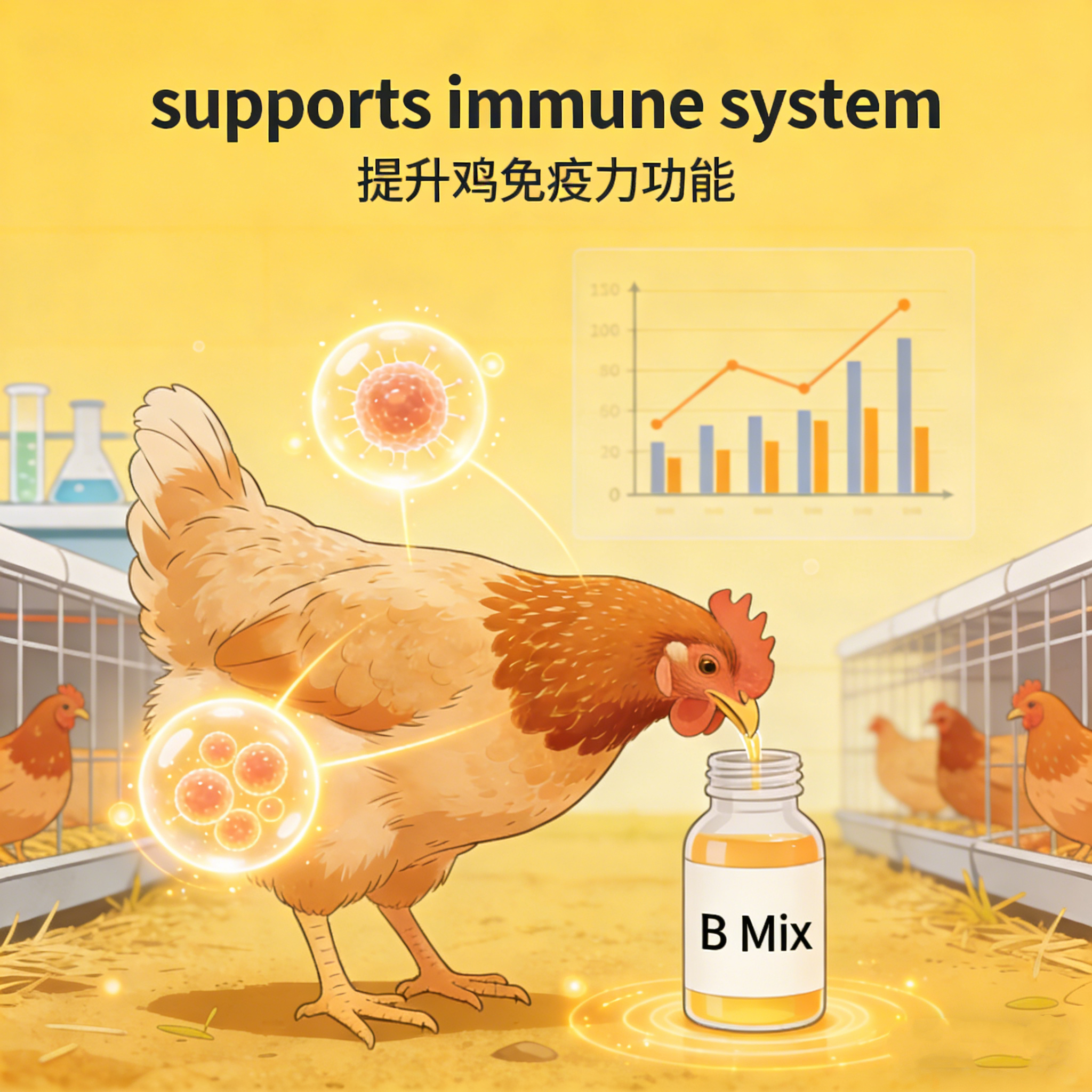
Why Daily Nutritional Regulation Supports Immune System Function in Livestock
The Link Between Consistent Nutrient Supply and Innate/Adaptive Immune Readiness
Getting proper nutrition day after day means our bodies get those building blocks like amino acids, vitamins, and minerals that keep our immune system running strong. Take zinc for instance it actually helps activate something called thymulin which supports how T-cells develop properly. Selenium works differently but just as important. Our bodies incorporate it into special proteins that handle oxidative stress and keep neutrophils functioning right. When immune cells have steady access to all these nutrients, they can generate enough energy to respond quickly when pathogens show up. This also helps train our adaptive immunity so it recognizes threats better over time and remembers them for future encounters. That's why many modern farms use automated feeding systems these days. They ensure animals receive consistent nutrition without sudden drops or spikes that might weaken their white blood cells or compromise the body's natural barriers against infection.
Consequences of Nutritional Gaps: Increased Disease Susceptibility and Vaccine Failure
Interrupted or imbalanced nutrient supply directly undermines immunological competence. Calorie or protein deficits reduce macrophage phagocytosis capacity by up to 40%, while vitamin E and selenium deficiencies compromise antioxidant defenses, exacerbating inflammation and tissue damage. Clinically, these gaps correlate with:
- 30% higher mortality during disease outbreaks
- 22% lower vaccine seroconversion rates
- Prolonged recovery from infections like bovine respiratory disease
Chronic undernutrition also elevates glucocorticoids, which suppress lymphocyte proliferation and dendritic cell activity; establishing a cycle of vulnerability. Precision-formulated diets break this cycle by supporting epithelial barrier function, mucosal immunity, and sustained leukocyte production across all physiological stages.
Key Immune-Supporting Nutrients and Their Practical Application
Organic Selenium (L-Selenomethionine) and Vitamin E: Synergistic Antioxidant Protection
When it comes to managing oxidative stress which plays a major role in immune problems among high producing animals, organic selenium works hand in hand with vitamin E to get the job done. The body produces selenoproteins like glutathione peroxidase that help control those tricky redox reactions involved in inflammation processes. Meanwhile vitamin E does its part by protecting those important polyunsaturated fats found in immune cells' membranes. Together they really boost several critical functions including how well neutrophils move towards infection sites, how effective macrophages are at cleaning up pathogens, and even improves how antigen presenting cells work their magic. Some recent trials showed pretty impressive results too - herds getting supplements containing around 0.3 parts per million of L-selenomethionine plus about 50 international units per kilogram of vitamin E saw nearly a third increase in vaccine effectiveness according to research published last year in the Journal of Animal Science. For chickens specifically, using water soluble versions makes all the difference when dealing with sudden health threats because these forms get absorbed much quicker into the system.
Probiotics, Prebiotics, and Postbiotics: Targeted Gut-Immune Axis Modulation
About 70 percent of our immune cells actually hang out in what's called gut-associated lymphoid tissue or GALT for short. That makes adjusting the gut microbiome really important when talking about immune health through nutrition. Take probiotics for example - Bacillus subtilis works by pushing out bad bacteria and helping those regulatory T-cells develop properly. Then there are prebiotics like mannan-oligosaccharides (MOS) and fructo-oligosaccharides (FOS). These act as food for good microbes in the gut, which leads to more butyrate being produced. Butyrate helps keep the intestinal walls strong and can reduce inflammation caused by something called NF-kappa B. Postbiotics are another category worth mentioning. They include things like pieces of bacterial cell walls and short chain fatty acids. What makes them special is they affect toll-like receptors directly without needing any live bacteria at all. Some newer products come with coatings or are made from fermented feed to ensure they work better once inside the body. Research published in Veterinary Research back in 2024 found that dairy calves given postbiotic supplements had around 40% fewer cases of scours compared to others.
Strategic Timing: Critical Life Stages for Immune-Nutritional Intervention
Neonatal Programming, Weaning Stress, and Transition Periods Across Poultry, Swine, and Ruminants
The early life stages including neonatal, weaning, and transition periods are actually key times when what animals eat can really affect their immunity later on. Take calves for instance. Getting colostrum within those first couple hours after birth is super important because it contains those antibodies and growth stuff needed for proper gut development. When pigs get weaned though, things change pretty dramatically. Their stress levels go up which makes them eat less food overall. We've seen cases where feed intake drops about 40% and their body stops making as much IgA protection in the intestines. That leaves them vulnerable to bad bacteria like E. coli. Dairy cows also have tough times around calving season. Their bodies undergo big changes both metabolically and immunologically. Sometimes their white blood cells don't work right temporarily, which explains why mastitis becomes such a problem at this time. Farmers who give extra selenium and zinc supplements during these critical windows report around 30% fewer mastitis cases and better immune cell function in their transitioning cows. Matching feed programs to how different animals develop naturally seems to make all the difference in keeping their immune systems ready for whatever challenges come next in production.
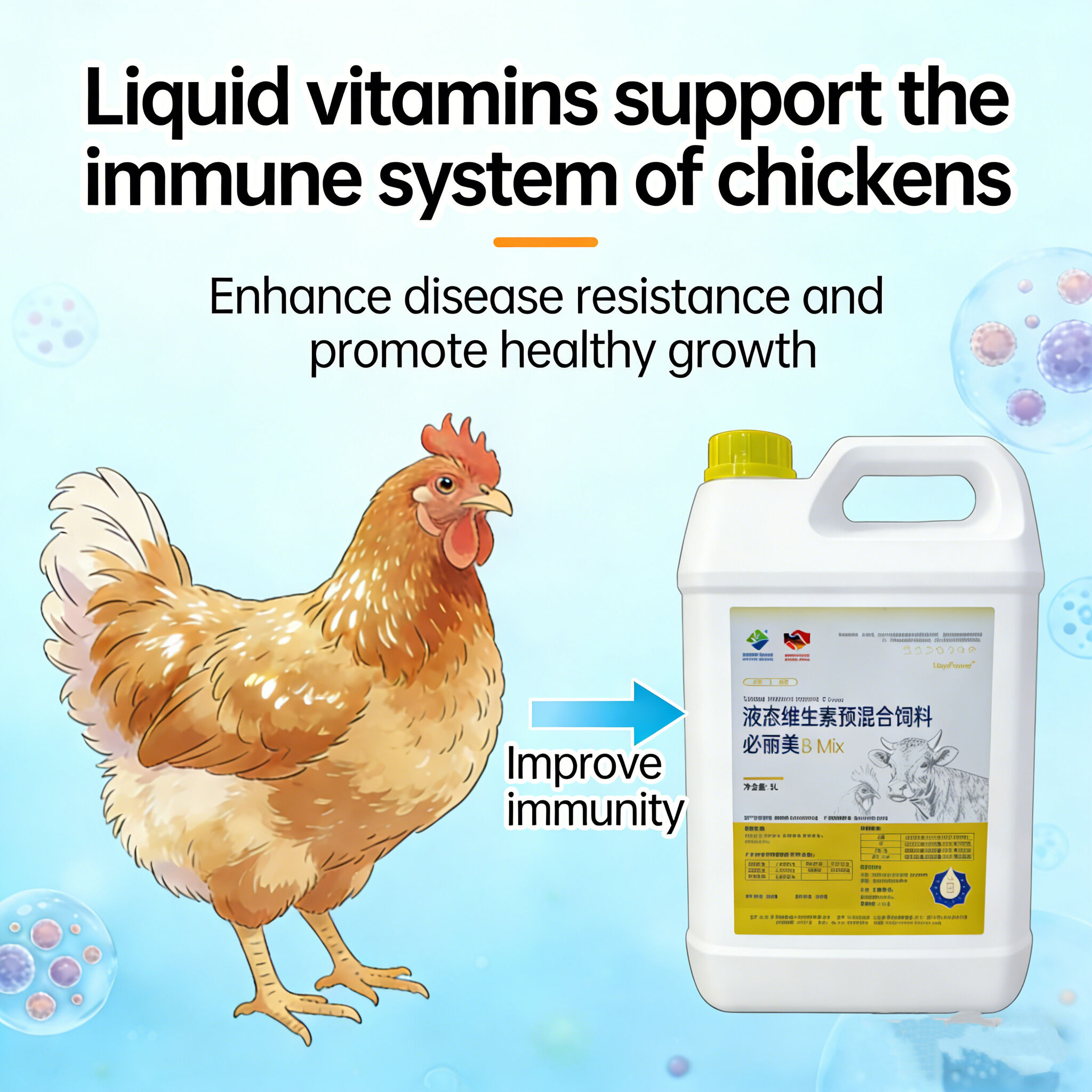
Measuring Success: Practical Indicators That Nutrition Supports Immune System Resilience
To objectively evaluate how nutritional strategies support immune system resilience in livestock, monitor these key performance indicators:
- Disease Incidence Reduction: Herds on balanced, immune-targeted diets show up to 30% lower infection rates and mortality (Ponemon Institute, 2023), reflecting strengthened innate surveillance and barrier function
- Vaccine Response Enhancement: Elevated and sustained antibody titers post-vaccination confirm robust B-cell activation and T-follicular helper cell coordination
- Growth Performance Metrics: Improved feed conversion ratios (FCR) and consistent weight gain indicate efficient nutrient partitioning toward immune maintenance; not just production
- Inflammation Biomarkers: Declining serum haptoglobin and fibrinogen levels signal controlled acute-phase responses and resolution of low-grade inflammation
Systematic tracking of these parameters provides actionable evidence that nutritional interventions sustain immune competence. Producers can use this data to refine feeding protocols; ensuring optimal immune support across production cycles without over-reliance on antimicrobials or reactive treatments.
Table of Contents
- Why Daily Nutritional Regulation Supports Immune System Function in Livestock
- Key Immune-Supporting Nutrients and Their Practical Application
- Strategic Timing: Critical Life Stages for Immune-Nutritional Intervention
- Measuring Success: Practical Indicators That Nutrition Supports Immune System Resilience