 EN
EN


The Strategic Shift: Why Supports Immune System Replaces Reactive Disease Control
Livestock disease management used to depend mostly on reactive steps like antibiotics, vaccines, and sometimes even killing entire groups of animals once diseases hit the herd. But this method comes at a steep price tag and just isn't sustainable long term. According to Ponemon's 2023 report, outbreaks alone can drain around 740 thousand dollars from producers each year. And there's another problem too - these practices speed up the development of antibiotic resistant strains. A better way forward involves supporting animal immunity systems proactively rather than waiting for problems to appear. By boosting natural defenses before any infection takes hold, farmers can actually change how they deal with health issues altogether.
- Prevention Efficiency: Robust immune function reduces clinical disease incidence by 40–60% compared to reactive treatments
- Economic Resilience: Every $1 invested in preventive nutrition yields $5 ROI through reduced mortality and medication costs
- Antibiotic Stewardship: Strengthening natural immunity cuts therapeutic antibiotic use by 30% (FAO 2023)
The shift mirrors human healthcare's move toward preventive chronic disease management—where systemic support outperforms symptom-focused interventions. By prioritizing foundational wellness through nutritional immunology and gut-immune axis optimization, producers achieve sustainable health without compromising productivity or accelerating resistance.
Nutritional Leverage: How Trace Minerals Support Immune System Function
Getting trace mineral nutrition right gives farmers a solid foundation for boosting immune systems in their livestock. When animals lack key minerals such as zinc, copper or selenium, their immune cells don't work properly and their bodies struggle to fight off free radicals, making them easy targets for diseases. Research across the industry shows that even mild deficiencies can cut down disease resistance by around 15 to 22 percent and really hurt productivity numbers too. The good news is smart mineral supplementation helps combat these issues in three main ways. First, it strengthens the body's natural barriers against infection. Second, it improves how immune cells communicate with each other. And third, it lowers oxidative stress levels in the animal's system. This approach moves the focus from treating sick animals after they get ill to keeping them healthy in the first place through better preventive care practices.
Zinc and Selenium as Critical Co-Factors for Immune Cell Activation and Antioxidant Defense
Zinc and selenium serve as indispensable enzymatic co-factors across immune pathways. Zinc regulates lymphocyte differentiation and gene expression while strengthening epithelial barriers against pathogen invasion. Selenium is incorporated into glutathione peroxidase—the primary antioxidant enzyme neutralizing free radicals in immune cells. Their synergistic functions include:
- Immune activation: Zinc mediates macrophage phagocytosis and T-cell maturation
- Oxidative balance: Selenium-dependent enzymes reduce inflammation-triggering lipid peroxidation by 40%
- Pathogen defense: Combined adequacy cuts respiratory infection incidence by 30% in trials
Deficiencies disrupt these processes, with selenium gaps alone increasing viral susceptibility threefold. Precision-formulated mineral blends prevent such vulnerabilities, ensuring immune resilience without antibiotic dependence.
Mycotoxin Mitigation: Preventing Immune Suppression to Sustain Supports Immune System Resilience
DON and Aflatoxin Disrupt Key Immune Pathways—And How Targeted Binders Restore Function
Deoxynivalenol (DON) and aflatoxins cripple livestock immunity through three primary mechanisms:
- Protein synthesis inhibition (DON) starves immune cells of critical defense proteins
- Oxidative stress cascades (aflatoxins) deplete glutathione reserves by 40%–60%
- Gut-barrier degradation enables pathogen translocation, overwhelming systemic defenses
These mycotoxins suppress IgA production by 35% and impair macrophage phagocytosis—directly undermining immune resilience. Targeted binders like hydrated sodium calcium aluminosilicate (HSCAS) and yeast derivatives neutralize threats through:
- Electrostatic binding of polar mycotoxins (e.g., aflatoxins)
- Biological degradation via esterase enzymes breaking DON's epoxide group
- Restoration of cytokine balance, evidenced by 28% higher interferon-gamma in treated herds
By immobilizing toxins before intestinal absorption, these interventions preserve leukocyte mobility and antigen presentation—critical for maintaining vaccine efficacy and disease resilience.
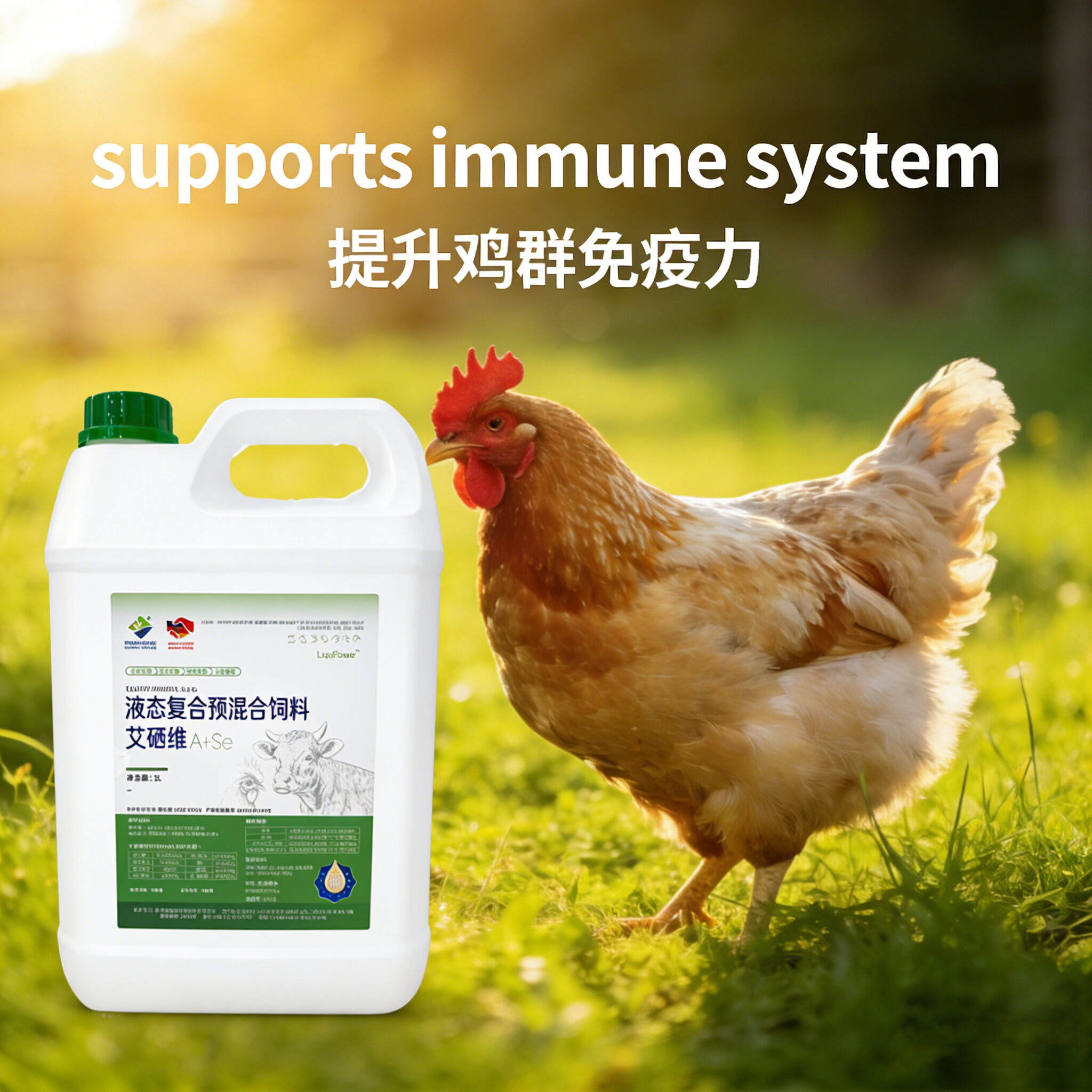
Gut–Immune Axis Optimization: Enhancing Barrier Integrity and Adaptive Memory to Fully Support Immune System
Around 70% of our immune cells actually live in the gut, which makes sense when we think about how the digestive system acts as our first line of defense against bad stuff getting into the body. To keep this important connection between gut health and immunity working well, there are basically two things that need attention. First, maintaining strong intestinal walls so harmful microbes can't get through. Second, building what scientists call "trained immunity" so the body knows exactly what to do when familiar invaders show up again. When both these aspects are taken care of properly, they create kind of a protective shield that lets the whole immune system operate at its best without constant stress or breakdowns.
Synergistic Prebiotics, Postbiotics, and Immunomodulators Elevate Mucosal IgA and T-Cell Responses
Strategic combinations of prebiotics (e.g., oligosaccharides), postbiotics (microbial metabolites), and immunomodulators activate interconnected pathways:
- Mucosal immunity: Prebiotics increase secretory IgA production by 40% in gut mucosa, trapping pathogens
- T-cell differentiation: Butyrate and other short-chain fatty acids (SCFAs) regulate regulatory T-cell development
- Dendritic cell priming: β-glucans enhance antigen presentation to CD8+ T-cells
- Oxidative balance: Selenium-containing compounds reduce inflammation-driving ROS by 65%
These components work synergistically—prebiotics fuel beneficial microbes, postbiotics like butyrate tighten epithelial junctions, and immunomodulators amplify lymphocyte surveillance. This triad elevates pathogen recognition while reducing inflammatory tissue damage.
Table of Contents
- The Strategic Shift: Why Supports Immune System Replaces Reactive Disease Control
- Nutritional Leverage: How Trace Minerals Support Immune System Function
- Mycotoxin Mitigation: Preventing Immune Suppression to Sustain Supports Immune System Resilience
- Gut–Immune Axis Optimization: Enhancing Barrier Integrity and Adaptive Memory to Fully Support Immune System