 EN
EN

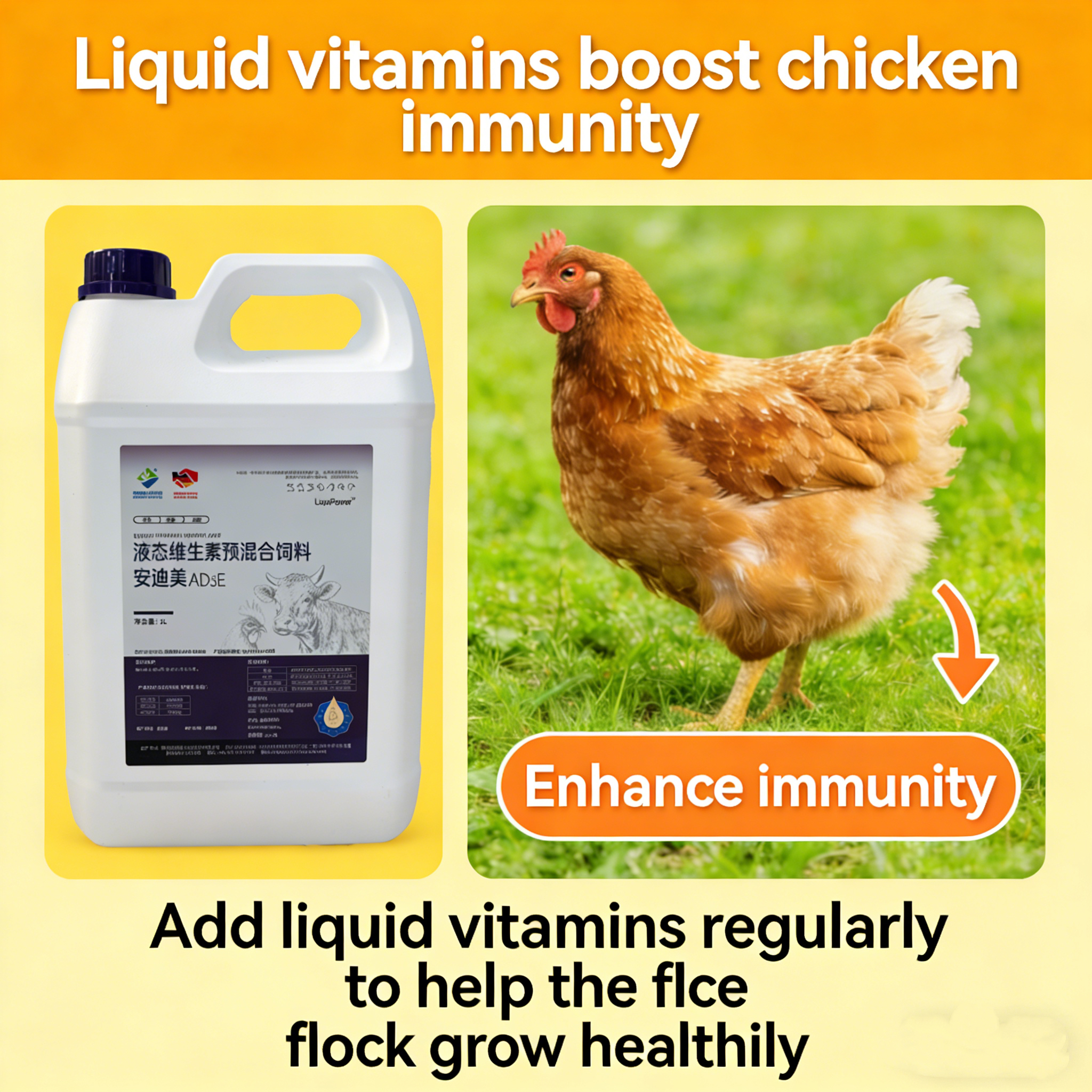
Essential Vitamins and Minerals That Support Immune System Function
Vitamin A, D, and E: Core Regulators of Innate and Adaptive Immunity
Vitamins A, D, and E play essential roles in regulating both the innate and adaptive immune systems of livestock animals. Vitamin A helps keep the body's protective barriers intact and boosts the function of white blood cells like neutrophils and macrophages, which are our bodies' first line of defense against invaders. For vitamin D, it works by increasing production of substances that fight microbes and helps direct how T-cells develop. Meanwhile, vitamin E acts as an antioxidant that protects immune cells when they're fighting off infections and dealing with inflammation. When these vitamins are lacking, animals become much more vulnerable. Studies have shown herds deficient in vitamin A experience about 30% more respiratory issues according to research published in the Journal of Animal Science back in 2023. Giving animals the right amounts of these nutrients can help maintain a healthy balance between different immune responses, keeping their defenses strong without negatively affecting how efficiently their bodies process energy.
Zinc, Selenium, Copper, and Iron: Cofactors for Immune Cell Development and Oxidative Balance
Trace minerals play critical roles as cofactors in enzyme systems that support immune function and maintain cellular balance. Take zinc for instance it's vital for thymulin activity which is absolutely necessary for proper T-cell development, plus it helps strengthen the protective barriers in our digestive tract. Selenium works through glutathione peroxidase enzymes to shield white blood cells against damage from reactive oxygen species. Meanwhile copper contributes to superoxide dismutase activity that breaks down harmful free radicals before they cause problems. Iron is another important player since it helps lymphocytes multiply, though too much can actually become dangerous by encouraging bacteria growth and increasing susceptibility to infections. Research published last year in Veterinary Immunology found that animals lacking sufficient selenium had about 40% weaker antibody responses after vaccination. Getting the right mix of these minerals isn't just about meeting daily requirements it's about fine tuning the body's defense system so it functions at optimal levels without creating oxidative imbalances.
Conditionally Essential Amino Acids That Support Immune System Resilience
Arginine, Glutamine, and Methionine: Fueling Immune Cell Metabolism and Gut Barrier Integrity
When the body faces stress situations like sickness, extreme temperatures, or high productivity periods, certain amino acids become really important for health. Arginine helps activate T-cells and boosts nitric oxide production, which fights off pathogens better. Glutamine acts as fuel for gut cells, keeping the intestinal lining intact. Studies show that damaged gut mucosa can raise infection risks significantly in stressed animals, though exact numbers vary between research studies. Methionine provides sulfur needed for making glutathione, often called the body's main antioxidant, which protects immune cells against damage from inflammation. These three work together in interesting ways: glutamine keeps the intestines healthy, arginine makes immune cells more responsive, and methionine supports the body's ability to recycle antioxidants. Supplementing becomes necessary when natural production simply cannot keep up with what the body needs during these challenging times.
Functional Feed Additives That Support Immune System Modulation
Probiotics and Prebiotics: Enhancing Mucosal Immunity and Microbiome-Driven Immunoregulation
When it comes to gut health, probiotics and prebiotics team up together to boost what's called mucosal immunity, which is basically how our guts defend themselves against invaders. Think of probiotics as helpful bacteria that get added to the mix, whereas prebiotics are like food for those good bugs - they contain special fibers that only certain microbes can break down. This teamwork helps create a healthy balance of microorganisms in the gut, which in turn keeps the immune system working properly without causing unnecessary inflammation. When there's a strong community of microbes living in harmony, the gut lining becomes much better at keeping bad stuff out, so infections happen less often. This matters especially when animals go through stressful periods such as being weaned off milk or moved to new environments. Instead of waiting for problems to arise, these supplements help manage immunity from the inside out, making for a more robust defense system overall.
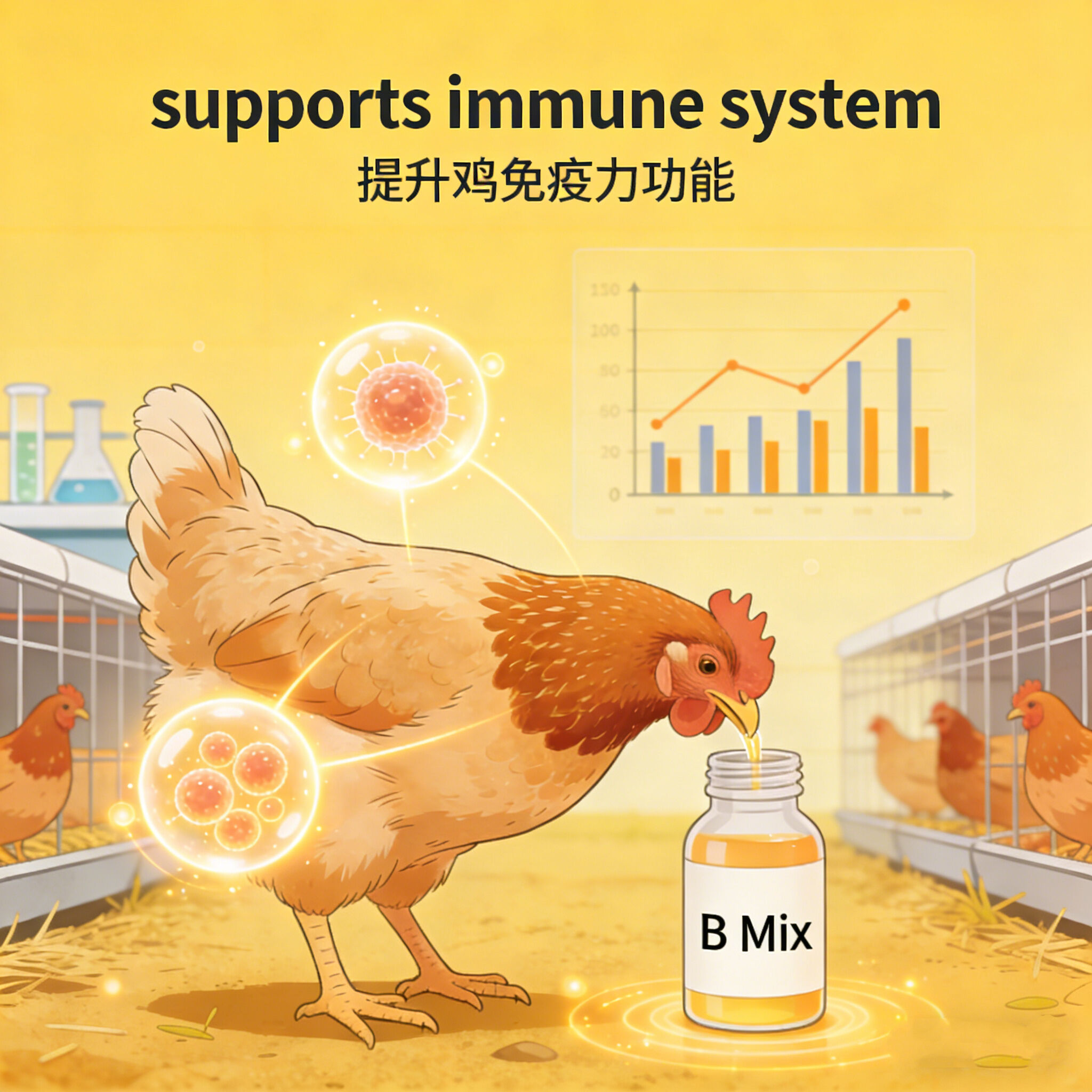
Phytogenic Supplements as Natural, Antibiotic-Free Alternatives That Support Immune System Homeostasis
Curcumin, Propolis, and Oregano Oil: Targeting Inflammatory Pathways Without Immunosuppression
Natural compounds like curcumin, propolis, and oregano oil provide an alternative approach to boosting immunity without relying on antibiotics. Curcumin works by blocking NF-kB signals which helps reduce inflammation but still keeps the body alert to threats. Studies show it can increase antioxidants in cows by about three quarters. Propolis contains special plant compounds called flavonoids that strengthen protective barriers in the body and regulate immune responses. These substances fight bad microbes effectively while leaving good bacteria untouched. The active ingredients in oregano oil, mainly carvacrol and thymol, tackle inflammatory chemicals in the body yet keep important white blood cells functioning properly. Compared to traditional antibiotics that wipe out everything indiscriminately, these plant-based options actually help maintain a balanced immune system. Field tests with chickens have shown around 40 percent better disease resistance when using this combination of natural supports. This kind of targeted approach represents a promising direction for raising healthier animals in a more environmentally friendly way.
Table of Contents
- Essential Vitamins and Minerals That Support Immune System Function
- Conditionally Essential Amino Acids That Support Immune System Resilience
- Functional Feed Additives That Support Immune System Modulation
- Phytogenic Supplements as Natural, Antibiotic-Free Alternatives That Support Immune System Homeostasis