 EN
EN

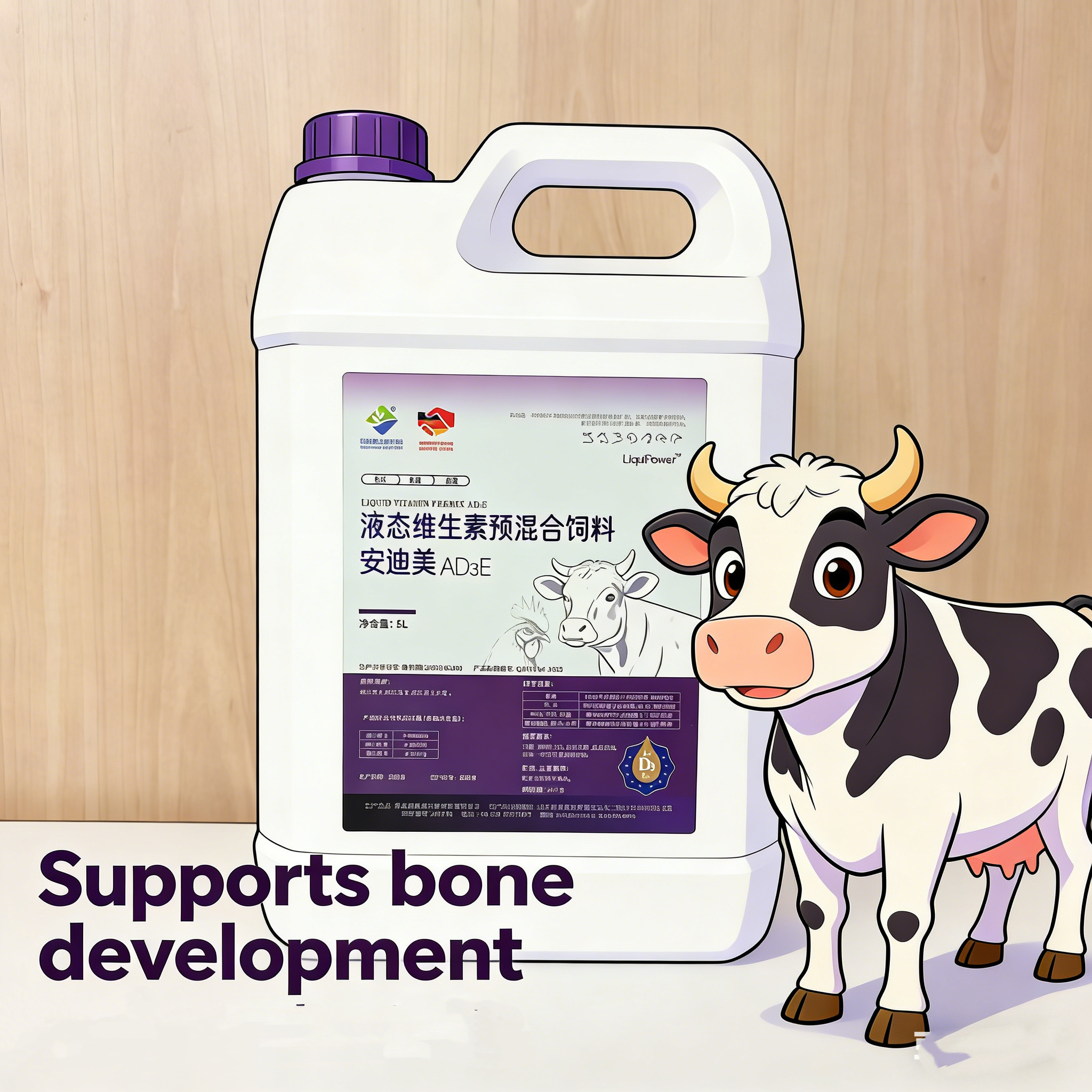
Kaulu attīstība kā reproduktīvās gatavības prognozētājs audzēšanai paredzētās mātītes
Aizkavēta kaulu kalcifikācija un tās saistība ar pirmā estrusa aizkave cūku meitenēm un jaunajām govs mātītēm
Kaulu attīstība kalpo kā agrīns fizioloģisks marķieris reproduktīvajai nobriestībai audzētājvistās un jaunajās liellopēs. Neizpildīta kaulu kalcifikācija — īpaši garajos kaulos un iegurņa reģionā — tieši korelē ar pirmās estrusa vēlu sākšanos. Kalcifikācijas kavēšanās ir saistīta ar nepietiekamiem minerālu krājumiem, lēnākiem augšanas tempiem vai endokrīnām nelīdzsvarotībām, kas visi norāda uz to, ka skelets vēl nav gatavs atbalstīt grūtniecību un pienošanu. Sieviedzīvnieki ar lēnu epifīzu aizvēršanos bieži vien nepieciešama papildu dienas vai nedēļas, lai sasniegtu pubertāti, kas samazina kopējo dzīveslaiku produktivitāti un palielina audzēšanas izmaksas. Audzētājiem kalcifikācijas posmu sekosana piedāvā praktisku, neinvazīvu veidu, kā agrāk identificēt vēlu nobriestības pazīmes. Nagu augšanas un locītavu elastības novērošana sniedz netiešus norādījumus par skeleta nobriestību. Optimizējot uzturu un vadību, lai paātrinātu kaulu attīstību — piemēram, augšanas periodā optimizējot kalcija un fosfora attiecību — ražotāji var samazināt vecumu pirmajai apaugļošanai, uzlabot ganāmpulka vienveidību un saīsināt neproduktīvo periodu. Tāpēc kalcifikācijas kavēšanās ir vairāk nekā tikai augšanas defekts: tā ir prognozētājs par vēlu reproduktīvās gatavības iestāšanos, kas prasa agrīnu iejaukšanos.
Kopīgā endokrīnā regulācija: kā GH/IGF-1 ass un kalcija-fosfora homeostāze sinhronizē skeleta un dzimumorgānu nobriešanu
Tie paši endokrīnie ceļi, kas veicina kaulu attīstību, regulē arī reproduktīvo orgānu nobriešanu, tāpēc skeleta un dzimumorgānu izaugsme ir cieši saistīta. Augšanas hormons (GH) un insulīnlīdzīgais augšanas faktors-1 (IGF-1) vienlaikus stimulē hondrocītu proliferāciju augšanas plātnēs un olnīcu folikulu attīstību. Paralēli kalcija un fosfora homeostāze — ko regulē vitamīns D, paratireoidais hormons un kalcitonīns — nodrošina pietiekamu minerālu pieejamību gan kaulu matricas nogulsnēšanai, gan steroidogēnēzei olnīcās. Ja kāds no šiem ceļiem tiek traucēts — piemēram, dēļ nepietiekamas uzturvielas, stresa vai genētiskiem faktoriem — gan kaulu kalcifikācija, gan estrusa sākums tiek novilcināti. Šī kopīgā regulācija nozīmē, ka neapmierinoša kaulu attīstība bieži atspoguļo nepietiekamu dzimumdziedzeru steroidu ražošanu, kas kavē folikulu attīstību un dzemdes sagatavošanu. Tāpēc kaulu izaugsmes rādītāju iekļaušana reproduktīvās spējības novērtējumos sniedz funkcionālu ieskatu nākotnes reproduktīvajā veiktspējā. Papildinājumi ar bioloģiski pieejamiem kalcija avotiem un barības maisījumi, kas atbalsta GH/IGF-1 ceļu, var paātrināt gan kaulu, gan reproduktīvo nobriešanu. Šīs endokrīnās mijiedarbības izpratne ļauj audzētājiem izmantot kaulu attīstību kā uzticamu indikatoru tam, kad cūku māte vai jaunā govs patiešām ir gatava apaugļošanai un dzemdēšanai līdz pilnīgai termiņa beigām.
Kaulu attīstība un strukturālā ilgmūžība: klibuma novēršana, lai nodrošinātu piena ražošanas efektivitāti
Klibuma incidences saistīta ar traucētu kaulu struktūru un tās sekām uz barības uzņemšanu un maksimālo piena ražošanu
Klibums reproduktīvajās cūkās bieži rodas no vājiem vai nepietiekami attīstītiem kauliem. Nepietiekama kaulu attīstība pasliktina ekstremitāšu strukturālo izturību, izraisot sāpes un kustības traucējumus. Ietekmētās cūkas un jaunās cūkas samazina barības uzņemšanu, lai izvairītos no diskomforta pie barības trauka, kas apdraud enerģijas rezerves un tieši samazina maksimālo piena ražošanu. Vienas klibuma epizodes dēļ var novēloties atkārtota apaugļošana un saīsināties produktīvais dzīvesilgums. Pētījumi liecina, ka klibums veido līdz 30 % no izslēgšanas lēmumiem modernajās cūku fermās. Šī zaudējuma novēršanai ir jāpievērš prioritāte skeleta stiprumam agrīnā vecumā, nodrošinot līdzsvarotu uzturu un piemērotu grīdas segumu. Spēcīgāki kauli nodrošina augstāku piena ražošanu un ļauj dzīvniekiem ilgāk palikt fermā.
Trabekulārās kaulu blīvuma zudums agrīnajā zīdīšanas periodā traucē kalcija mobilizāciju kolostro un piensintēzei
Pāreja uz zīdīšanu uzliek ļoti lielas kalcija prasības uz skeletu. Ātra mobilizācija no trabekulārā kaula rezervēm ir būtiska kolostro veidošanai un ilgstošai piena ražošanai. Ja pirms dzemdībām kaulu blīvums ir zems, kalcija izdalīšanās kļūst nepietiekama — samazinot kolostro kvalitāti un daudzumu, kas apdraud cūku mazuli imunitāti un izdzīvošanu. Turklāt vājināta trabekulārā struktūra palielina lūzumu un osteomalācijas risku maksimālās zīdīšanas laikā. Stratēģiska barošana pirms dzemdībām — tostarp pietiekams D vitamīns un optimāls kalcija–fosfora attiecības rādītājs — palīdz saglabāt kaulu minerālrezerves. Mātītes ar spēcīgām trabekulārām tīkliem atgūstas ātrāk pēcdzemdību periodā un uztur augstāku piena ražošanu vairākos dzemdību ciklos. Tāpēc trabekulārā kaula veselības aizsardzība ir tiešs instruments, lai uzlabotu zīdīšanas efektivitāti un ganāmpulka rentabilitāti.
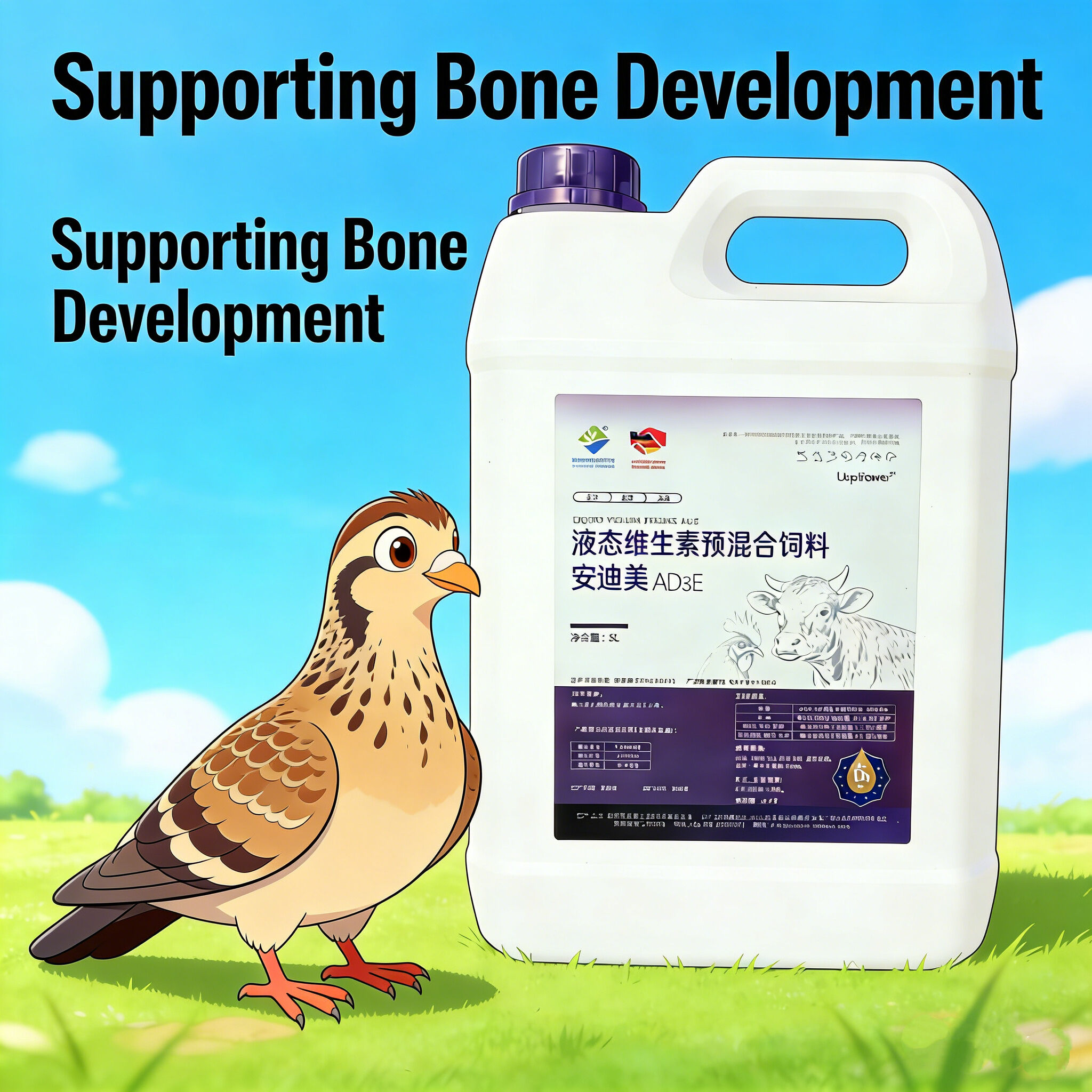
Stratēģiska kaulu attīstības optimizācija caur uzturu un ģenētiku
Precīzs uzturs: fitāzes papildināšana un organiskie mikroelementi uzlabo kaulu mineralizāciju bez liekas fosfora
Mūsdienu barības formulācijas arvien vairāk balstās uz precīzo uzturu, lai atbalstītu kaulu integritāti, neietekmējot vides resursus. Fitāzes papildināšana sadala fitoskābi, atbrīvojot fosforu, kas citādi tiktu izdalīts ar izkārnījumiem. Šis fermentatīvais pieeja samazina atkarību no neorganiskajiem fosfora piedeviem, samazinot barības izmaksas un minimizējot fosfora izskalošanos. Organiskie mikroelementi — piemēram, cinka, vara un manganāta hēlāti — piedāvā augstāku biopieejamību salīdzinājumā ar neorganiskajiem sāļiem, uzlabojot kolagēna šķērssaistīšanu un kaulu kristālu veidošanos. Pētījumi rāda, ka daļēja neorganisko minerālu avotu aizvietošana ar organiskām formām palielina kaulu pelnu saturu un lūzuma izturību jaunās cūkās. Fitāzes un organisko minerālu kombinēta lietošana ļauj precīzāk pielāgot kalcija un fosfora attiecību fizioloģiskajām vajadzībām, kas noved pie blīvākas trabekulārās struktūras un mazāka skaita kāju traucējumiem. Ražotāji, kas ieviesuši šīs stratēģijas, ziņo par zemāku klibuma biežumu gestācijas un zīdīšanas laikā, tieši veicinot ilgāku ganāmpulka dzīvesilgu.
Ģenomu izvēles jaunākās attīstības: Osteokalcīna saistīto QTL iekļaušana, lai uzlabotu cūku mātīšu ilgmūžību un reproduktīvo izturību
Pāri barošanai ģenētiskie rīki tagad paātrina progresu skeleta veselībā. Osteokalcīns — kaulu specifisks olbaltumvielas veids, ko sekretē osteoblasti, — kalpo kā biomarkers kaulu pārmaiņām un mineralizācijai. Kvantitatīvo pazīmju lokusu (QTL) vietas, kas saistītas ar osteokalcīna ekspresiju, ir kartētas cūkās un liellopiem, ļaujot veikt marķieru palīdzību izvēlēties dzīvniekus ar augstāku kaulu blīvumu. Iekļaujot šos QTL lokus selekcijas indeksos, ražotāji var izvēlēties aizstājējzīdītes ar dabiski stiprāku skeletu un zemāku lūzuma risku. Šis genomikas pieejas pielietojums samazina dzīvnieku izslēgšanu dēļ kustības traucējumiem, pagarinot produktīvo dzīvesilgu vairākos dzemdību ciklos. Cūkas ar optimizētu kaulu ģenētiku uztur labāku ķermeņa stāvokli zīdīšanas laikā, izaudzē smagākus mazulīšu pulkus un ātrāk atgriežas estrusā. Osteokalcīnam saistīto QTL integrācija kopā ar tradicionālo reproduktīvo pazīmju izvēli veido holistisku selekcijas mērķi, kas uzlabo gan strukturālo ilgmūžību, gan reproduktīvo efektivitāti.
Bieži uzdotie jautājumi
J: Kā kaulu attīstība saistīta ar reproduktīvo gatavību dzemdību mātīm?
A: Kaulu attīstība kalpo kā reproduktīvās nobrieduma rādītājs, kur nepilnīga kaulu kalcifikācija saistīta ar pirmās estrus novēlotu iestāšanos cūku un liellopu jaunajās mātīs. Šo novēlošanos izraisa faktori, piemēram, nepietiekamas minerālu rezerves un endokrīnās līdzsvara traucējumi.
J: Kādi hormoni ir iesaistīti skeleta un gonādu nobriešanas sinhronizācijā?
A: Augšanas hormons (GH) un insulīnlīdzīgais augšanas faktors-1 (IGF-1) spēlē galveno lomu gan kaulu, gan olnīcu attīstībā. Šie hormoni palīdz nodrošināt, ka skeletālā un reproduktīvā sistēma nobriest vienlaicīgi.
J: Kā kāju vājums ietekmē dzemdību mātīm produktivitāti?
A: Kāju vājums traucē barošanās uzvedību, izraisot sāpju dēļ samazinātu barības uzņemšanu un zemāku maksimālo piena ražu. Šis stāvoklis var novelt atkārtotas apaugļošanas ciklus un izraisīt augstākus izselekcijas rādītājus.
J: Kādas uztura stratēģijas atbalsta stipru kaulu attīstību dzemdību mātīm?
A: Precīzā uztura uzlabošana, tostarp fitāzes papildināšana un organiskie mikroelementi, veicina kaulu mineralizāciju. Arī piemērotas kalcija un fosfora attiecības un pietiekams D vitamīns ir ļoti svarīgi.
J: Kā genoms ietekmē kaulu veselības uzlabošanu reproduktīvajās mātītēs?
A: Genomiskās metodes koncentrējas uz dzīvnieku atlasi, kuriem ir osteokalcīnam saistīti kvantitatīvie zīmogvieta (QTL), biomarķieri, kas saistīti ar augstāku kaulu blīvumu un izturību, lai uzlabotu ilgmūžību un reproduktīvo efektivitāti.
Saturs
- Kaulu attīstība kā reproduktīvās gatavības prognozētājs audzēšanai paredzētās mātītes
-
Kaulu attīstība un strukturālā ilgmūžība: klibuma novēršana, lai nodrošinātu piena ražošanas efektivitāti
- Klibuma incidences saistīta ar traucētu kaulu struktūru un tās sekām uz barības uzņemšanu un maksimālo piena ražošanu
- Trabekulārās kaulu blīvuma zudums agrīnajā zīdīšanas periodā traucē kalcija mobilizāciju kolostro un piensintēzei
- Stratēģiska kaulu attīstības optimizācija caur uzturu un ģenētiku
- Bieži uzdotie jautājumi