 EN
EN

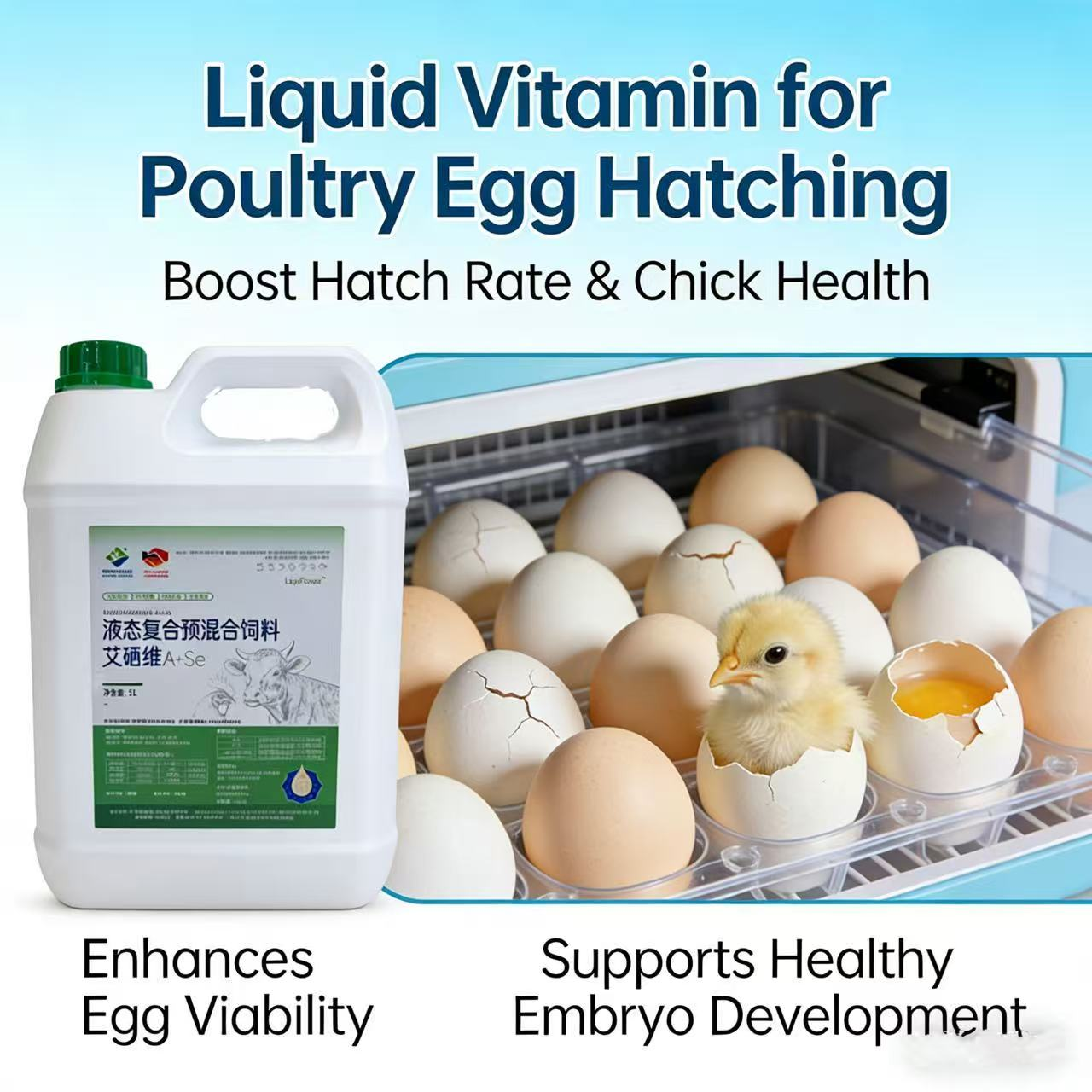
Nutrient Transfer: From Breeder Diet to Hatching Eggs Quality
Maternal diet effects on embryonic development, hatchability, and chick vitality
What breeder hens eat has a big impact on whether their eggs will actually hatch successfully. The important stuff from their diet like proteins, fats, and tiny nutrients gets packed into the egg yolk and white, which becomes the only food supply for developing chicks during those crucial first days. When hens don't get proper nutrition, hatch rates drop by about 18%, and baby chicks end up with problems in their organs too. Looking at what happens in the first week of life shows how vital certain nutrients are. Chicks born to mothers lacking in B vitamins and selenium tend to die much sooner. Studies show these deficiencies can boost early deaths between 12% and 15%. That's why getting the right balance in breeder diets matters so much for successful hatching.
Energy-to-protein balance and its impact on yolk-free body mass and navel score in hatching eggs
The right mix of energy and protein in breeder feed really matters for how chicks develop structurally. When hens get around 15 to 16 percent crude protein in their diet, chicks tend to have about 8 percent more yolk-free body weight when they hatch, which helps them regulate temperature better. But if there's too much energy content over 2,900 kcal per kg, something strange happens. The risk of umbilical hernias jumps by roughly 22 percent because the yolk gets absorbed too quickly. Most experts recommend keeping diets between 2,750 and 2,850 kcal per kg with that same 15-16% protein level. This range seems to cut down on navel problems while making sure the yolk converts efficiently into usable nutrients. Real world testing backs this up showing improvements of about 1.3 points on the standard KSPA scoring system for navels, which means fewer opportunities for bacteria to get inside through those vulnerable spots.
Vitamin E and Antioxidant Nutrition for Robust Hatching Eggs
Mitigating oxidative stress to preserve eggshell integrity and embryonic viability
When oxidative stress hits those developing embryos, it basically starts tearing apart their cellular structures. This ends up making eggshells weaker and hurting the chances of survival for what's inside. That's where antioxidants come in handy, especially vitamin E which fights off those pesky free radicals that would otherwise break down shell membranes and make hatching less likely. Studies show when farmers get the right amount of vitamin E into their feed, they see around a 5 to 7 percent drop in embryo deaths. Why? Because stronger membranes mean better protection against microbes trying to sneak in. And let's face it, keeping those little chicks safe from infections while they're still in the shell is absolutely essential for anyone running an incubation operation.
Field evidence (2020–2023): How breeder vitamin E supplementation improves hatching eggs quality and early chick immunity
Studies have found that when flocks get around 100 to maybe even 150 IU per kg of vitamin E through their feed, hatch rates go up by roughly 9 percent over regular flocks. The chicks born to these supplemented parents tend to have better natural defenses too. Research indicates macrophage activity jumps about 15% right after hatching, which means fewer deaths during those critical first week or so - sometimes as much as 12% reduction. Farmers who keep adding this supplement consistently report eggshells that are more uniformly thick across batches, about an 8% improvement overall. This points to vitamin E doing double duty both strengthening shell structure and boosting immunity early on through nutrients passed along in the yolk.
Feed Intake and Body Condition: Key Levers for Consistent Hatching Eggs Output
How much feed breeders get and their overall body condition really affects how many good quality hatching eggs we end up with. When flocks don't get enough food, they lay smaller eggs. Eggs weighing less than 45 grams have about 15% lower chances of hatching because the yolks just aren't as nutritious. On the flip side, giving too much feed makes birds gain weight too fast, which actually cuts down on how often they lay eggs and leads to more cracked or weak shells. The numbers tell us something important too: if birds are 100 grams off their ideal weight, fertility rates drop between 3 to 5 percent. That's why most operations stick to staged feeding plans that keep energy directed toward egg production rather than unnecessary weight gain. Regular weigh-ins once a week plus feeding systems that can be adjusted as needed make all the difference. Over time, this approach turns body condition monitoring into something farmers can use to predict whether those eggs will hatch successfully or not.
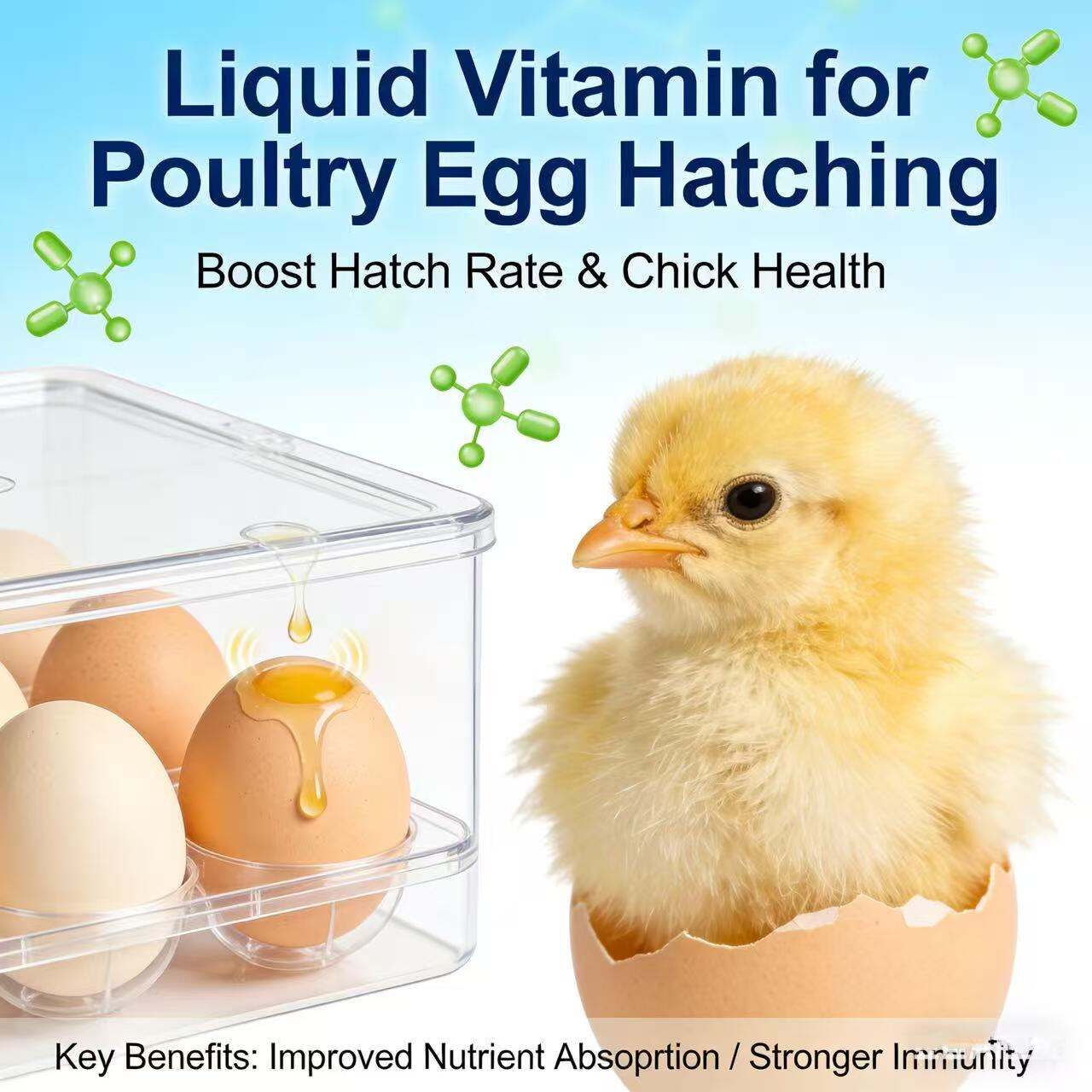
Calcium, Vitamin D3, and Eggshell Quality in Hatching Eggs
Getting the right balance of calcium and vitamin D3 in breeder diets makes a real difference in egg quality when it comes to three main shell characteristics: how thick they are, fewer pores, and better protection against microbes. Most of what makes up an eggshell is calcium carbonate, about 94%, which gives the shell its strength and acts as where the developing chick gets its calcium for growing bones. Without enough vitamin D3, chickens absorb less calcium, leading to thinner shells with more holes. Studies show this can cut down on shell formation by around 15 to 20%. Shells that are too thin or full of tiny holes (less than 0.33 millimeters thick) let bad bacteria get through and lose moisture faster during incubation, which drops hatch rates by as much as 14%. When breeders get exactly the right mix of nutrients - somewhere between 3.8% and 4.2% calcium plus 3,500 to 4,000 international units per kilogram of vitamin D3 - we see improvements in shell structure that lower embryo deaths caused by poor shells by about 11%.
Dietary calcium and vitamin D3 optimization for shell thickness, porosity, and microbial barrier function in hatching eggs
For good eggshell quality, breeders need to get their calcium mix right - typically around 60% large limestone particles mixed with 40% finer material. This balance helps maintain steady calcium levels throughout the shell formation process. When it comes to Vitamin D3, studies show that adding about 500 extra IU per kilogram to regular feed can make a real difference. Shells become roughly 8% thicker and we see about a 22% drop in those tiny cracks that let bacteria in. Getting the calcium ratio correct has another benefit too. It actually cuts down on Salmonella moving through the shell by about 30%, mainly because it shrinks the pores to under 9 micrometers. The numbers tell the story clearly enough: eggshells containing less than 10 mg of calcium per square centimeter invite three times as much bacterial contamination compared to properly formed shells. So proper calcification isn't just about strong eggs, it's literally our first line of defense against harmful microbes getting into our food supply.