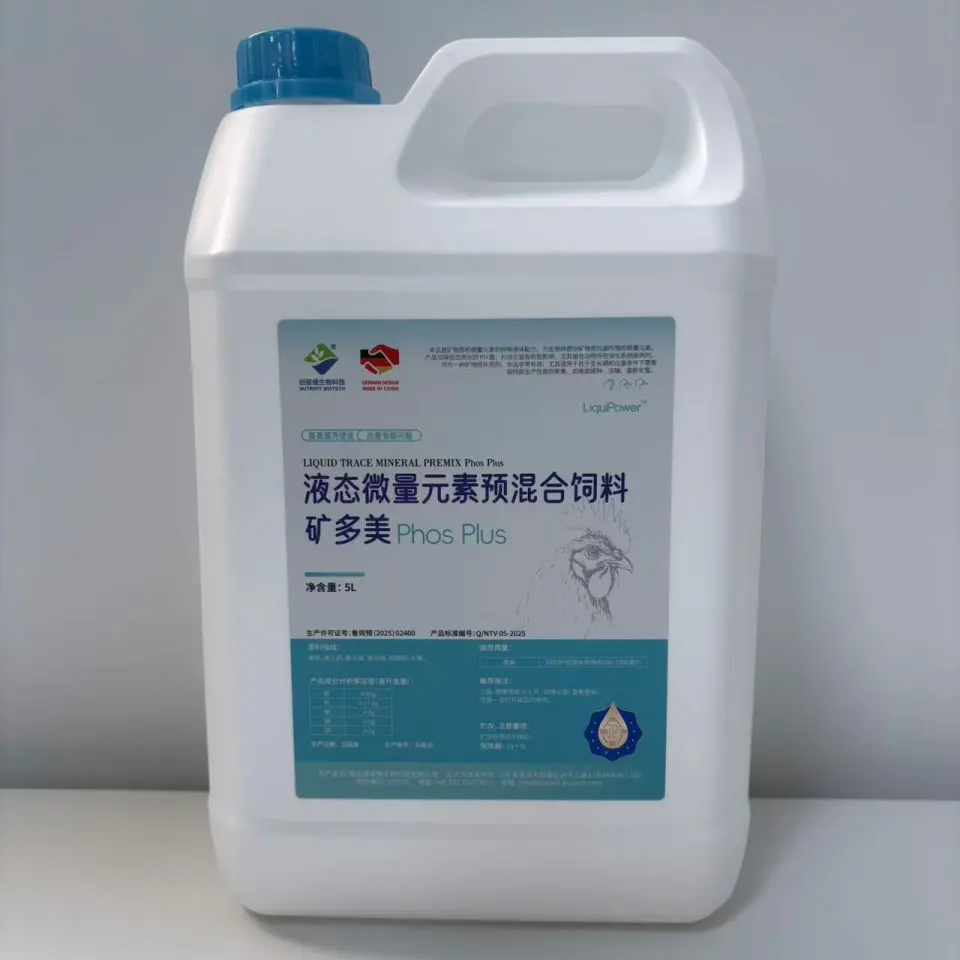
The Biological Role of Trace Elements in Endochondral Bone FormationEndochondral ossification drives longitudinal bone growth in young livestock. Trace elements—copper, zinc, and manganese—are indispensable cofactors for the enzymatic reactions that ...
VIEW MORE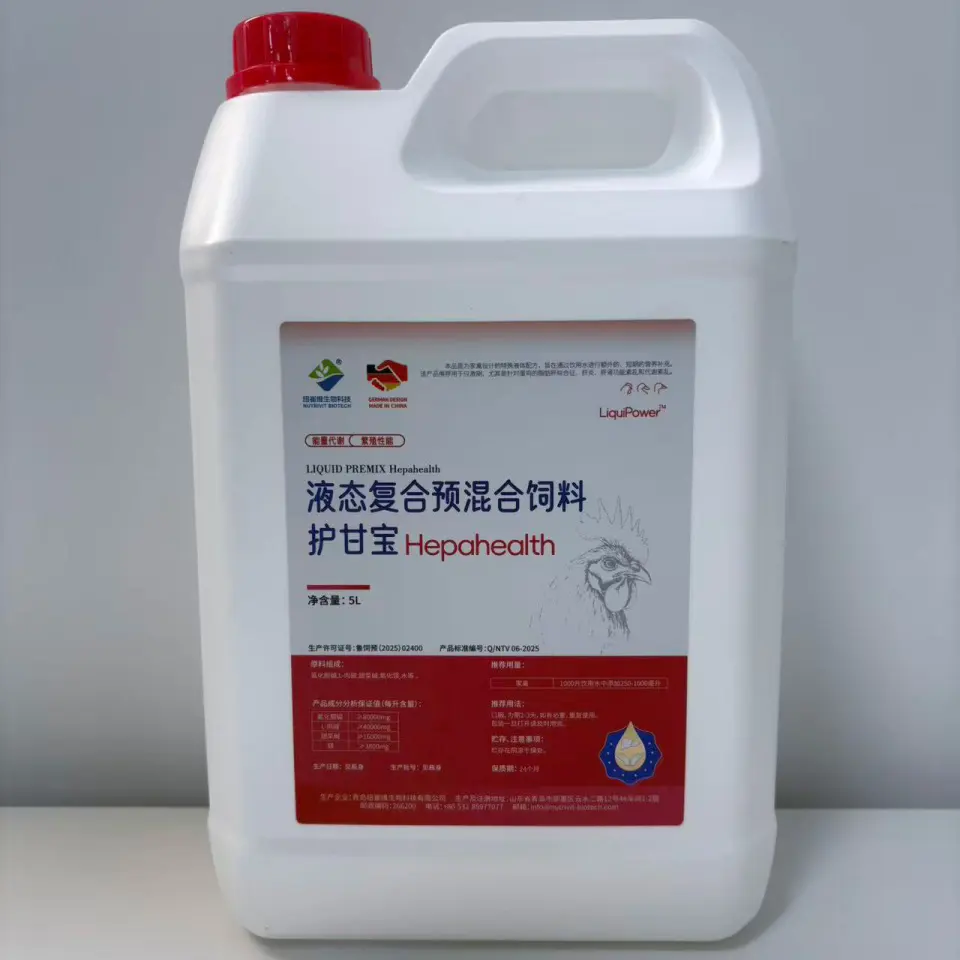
The Liver as the Metabolic Command Center in LivestockHow Liver Metabolism Integrates Energy Partitioning, Detoxification, and Immune CrosstalkThe liver serves as the central metabolic hub in livestock—orchestrating energy partitioning, detoxificatio...
VIEW MORE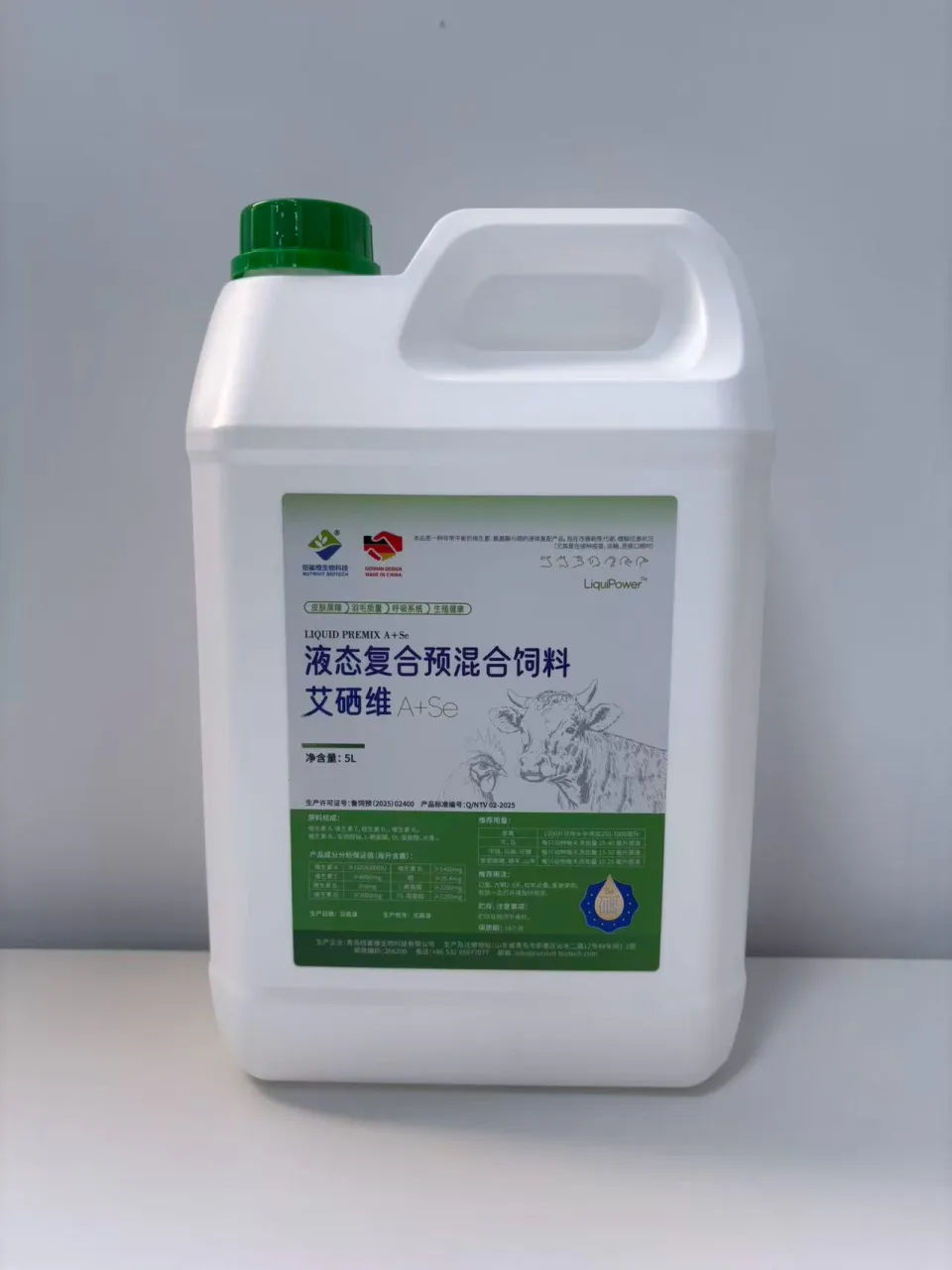
Superior Bioavailability: Why Liquid Vitamins Deliver More Active NutrientsHow Water-Soluble Liquid Delivery Maximizes Vitamin Absorption in the Avian GutBirds possess a short, fast-moving digestive tract—making rapid nutrient breakdown essential. Li...
VIEW MORE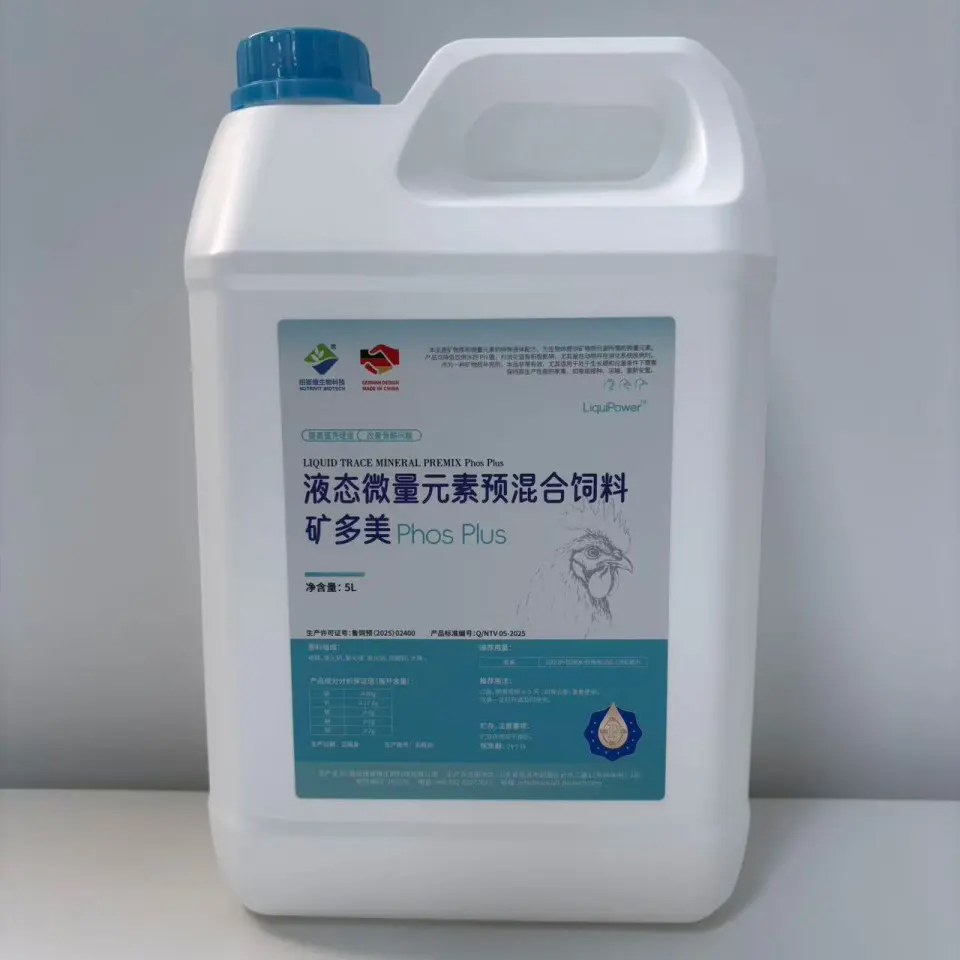
Traces and Eggshell Structural Integrity: Zinc, Manganese, and CopperMechanisms of Trace Mineral Integration into Eggshell Matrix FormationZinc, manganese, and copper serve as essential enzymatic cofactors in eggshell formation—each governing a disti...
VIEW MORE
The Physiology of Heat Stress in BroilersThermoregulatory limits and critical thresholds: Why 32°C triggers metabolic crisisBroilers are homeothermic animals with a normal body temperature of 41–42 °C and a narrow thermoneutral zone—18–21 °C—where gr...
VIEW MORE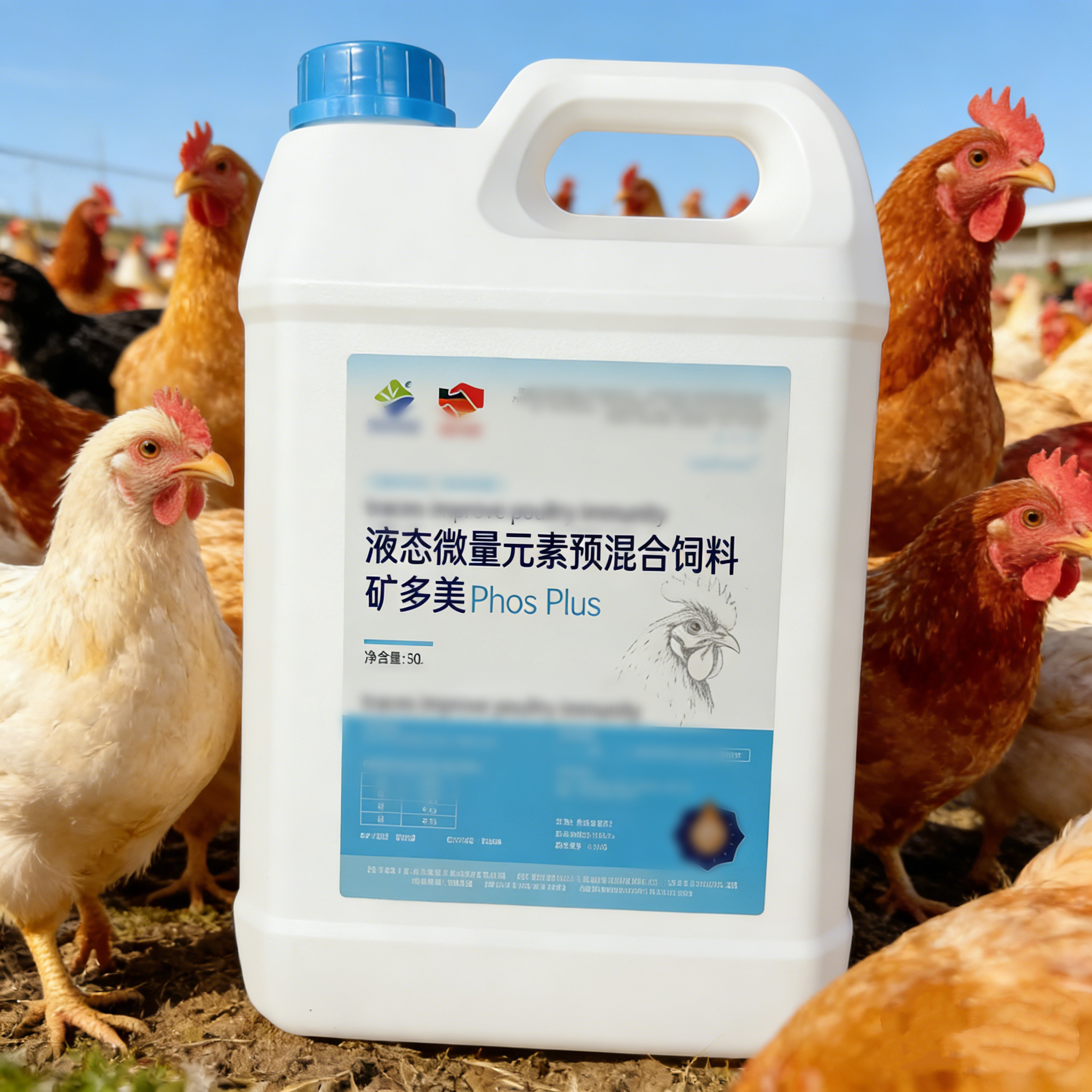
Manganese: Foundational for Eggshell Matrix Protein SynthesisHow manganese enables ovocleidin-17 and osteopontin production via glycosyltransferase activationManganese (Mn) serves as an essential cofactor for glycosyltransferase enzymes that catalyze...
VIEW MORE
Why Water Is a Strategic Delivery Route for Nutritional SupplementsAdvantages over Feed-Based Supplementation: Uniform Intake, Real-Time Adjustments, and Stress-Free AdministrationWater-based delivery of nutritional supplements ensures uniform intake...
VIEW MORE
Closing Forage Gaps and Preventing Subclinical DeficienciesForage Quality Variability and Its Hidden Cost to Production EfficiencyForage quality fluctuates with season, weather, and soil conditions—dropping sharply during summer dormancy or winter se...
VIEW MORE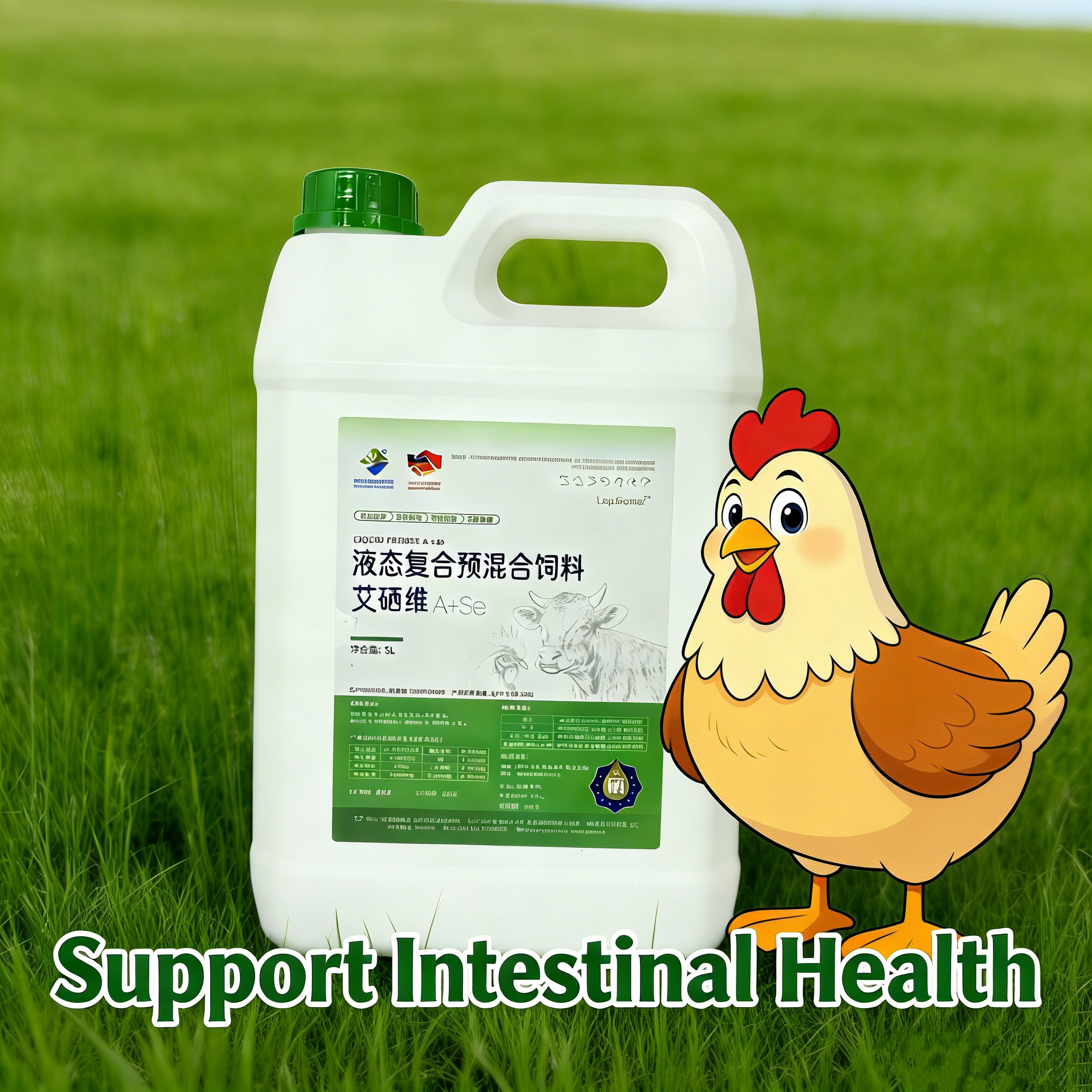
Intestinal Health as the Cornerstone of Early-Life Resilience Neonatal gut immaturity and its systemic impact on immunity and growth The neonatal gut is structurally and functionally immature at birth—its epithelium lacks fully formed tight junctio...
VIEW MORE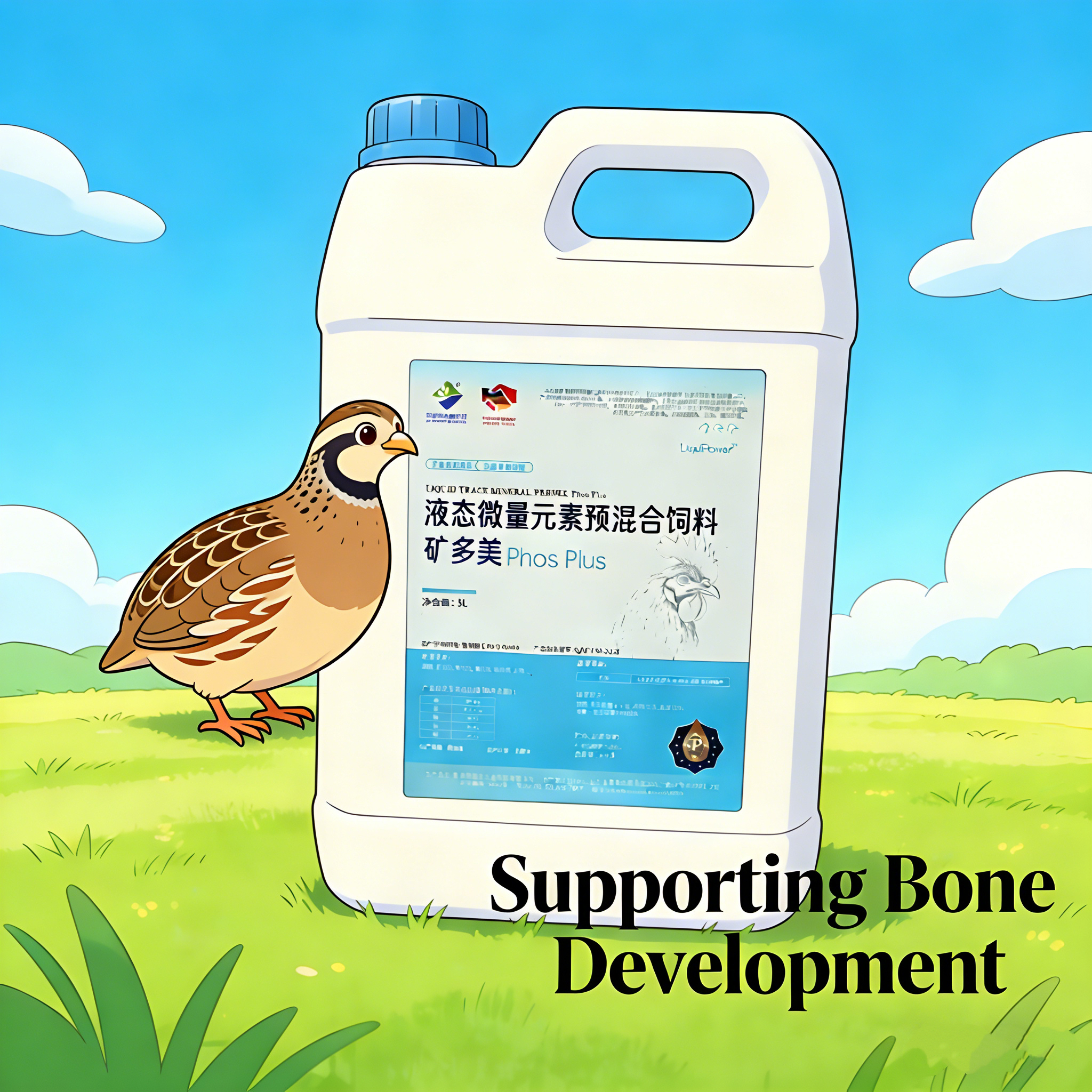
Nutritional Supplements Optimize Gut Microbiota Composition and StabilityProbiotics and Prebiotics Promote Beneficial Taxa and Suppress PathogensProbiotic supplementation introduces live microorganisms that actively reshape the gut ecosystem, enrichi...
VIEW MORE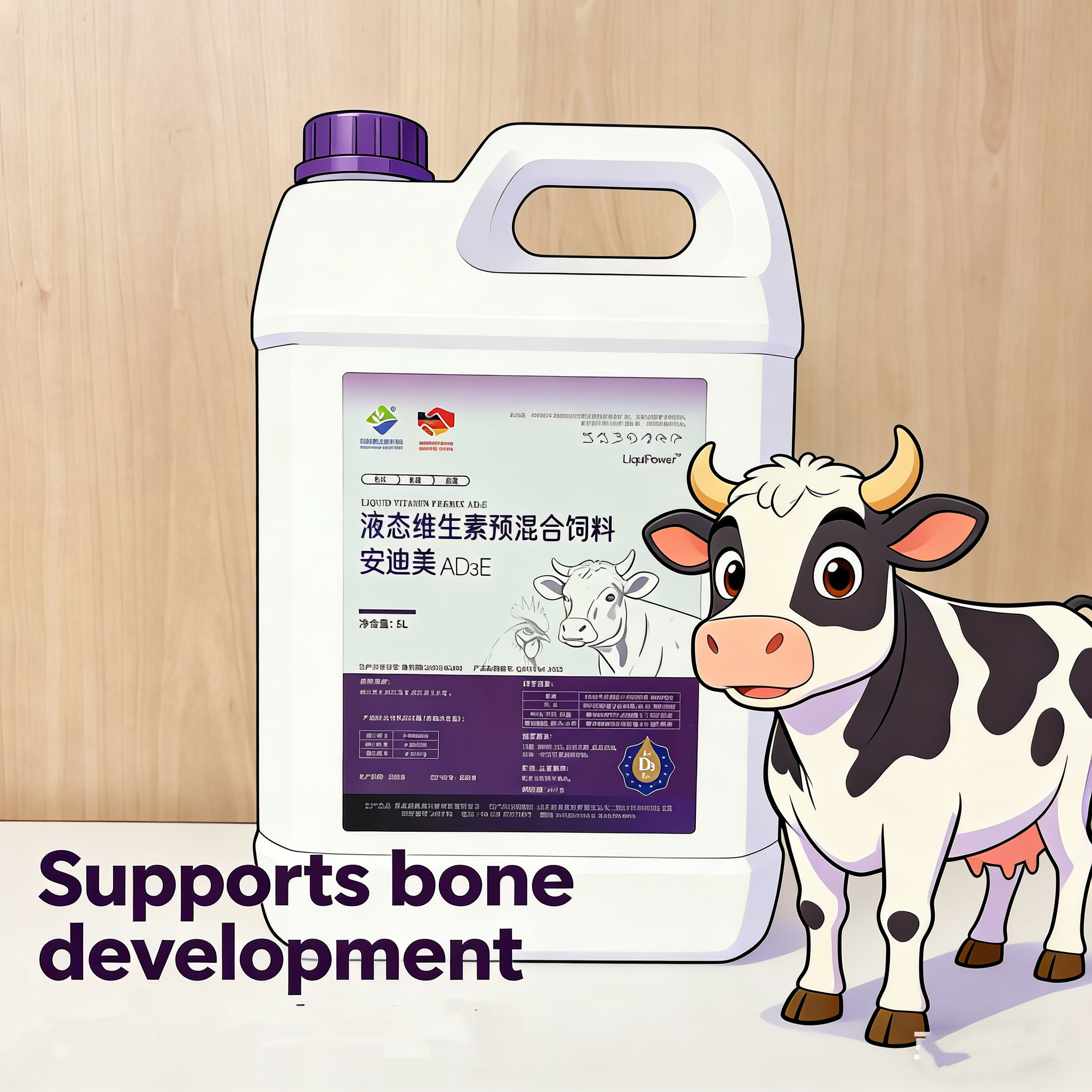
Enhanced Calcium Bioavailability Through Liquid Premix FormulationsWhy solubility and timing matter: Calcium metabolism and nocturnal shell gland calcificationEggshell mineralization occurs predominantly during the dark period when hens are not feedi...
VIEW MORE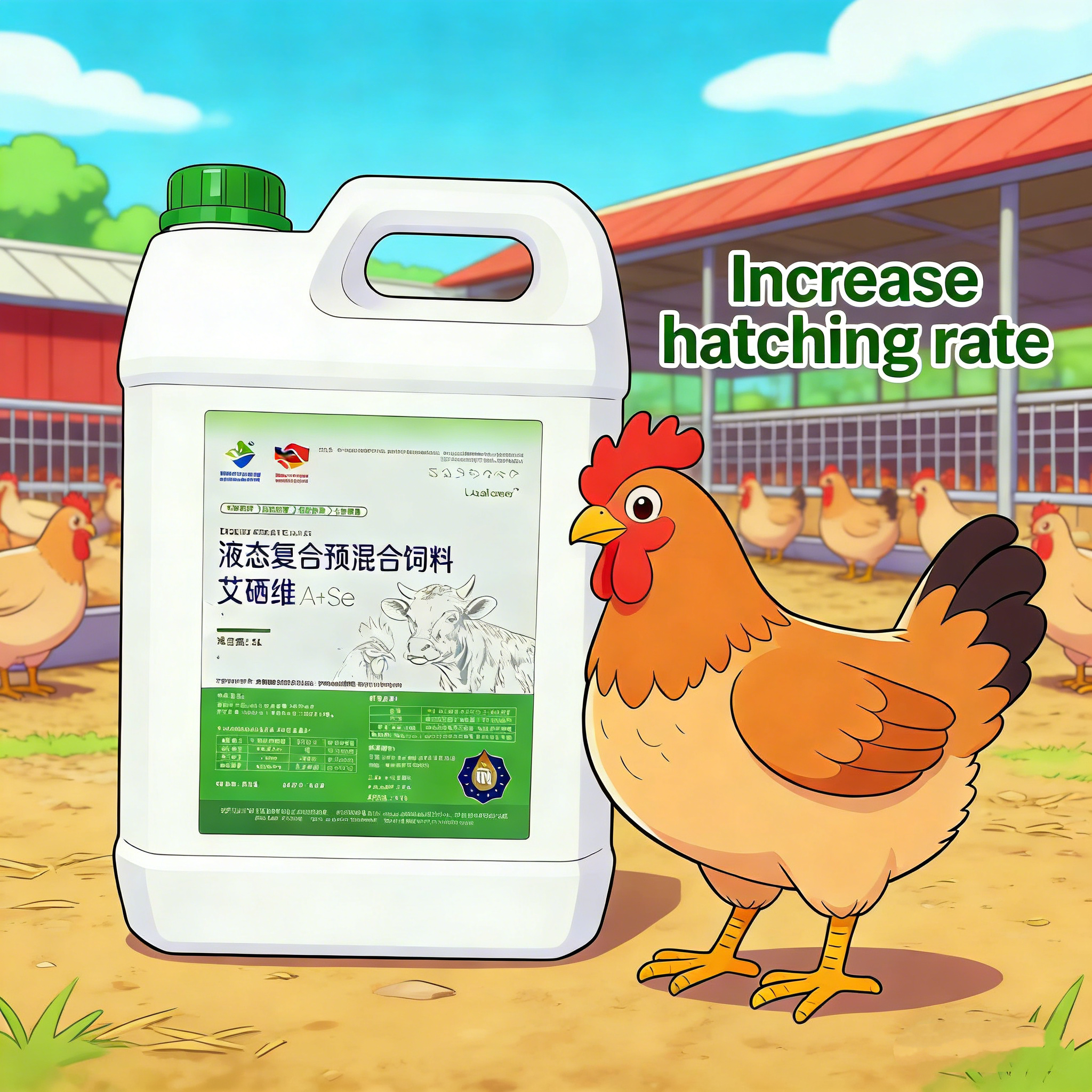
Core Mineral Nutritional Supplements: Calcium, Phosphorus, and the Critical Ca:P RatioCore mineral nutritional supplements—particularly calcium and phosphorus—are foundational to skeletal development in young livestock. Their absolute intake and thei...
VIEW MORE
Copyright © 2025 by Qingdao Nutrivit Biotech Co., Ltd - Privacy Policy
 EN
EN