
How Nutritional Supplements Program Embryo Viability Through the Breeder DietMicronutrient Transfer During Egg Formation: The Critical Window for Embryonic ProgrammingThe transfer of micronutrients from the breeder hen to the developing egg is a prec...
VIEW MORE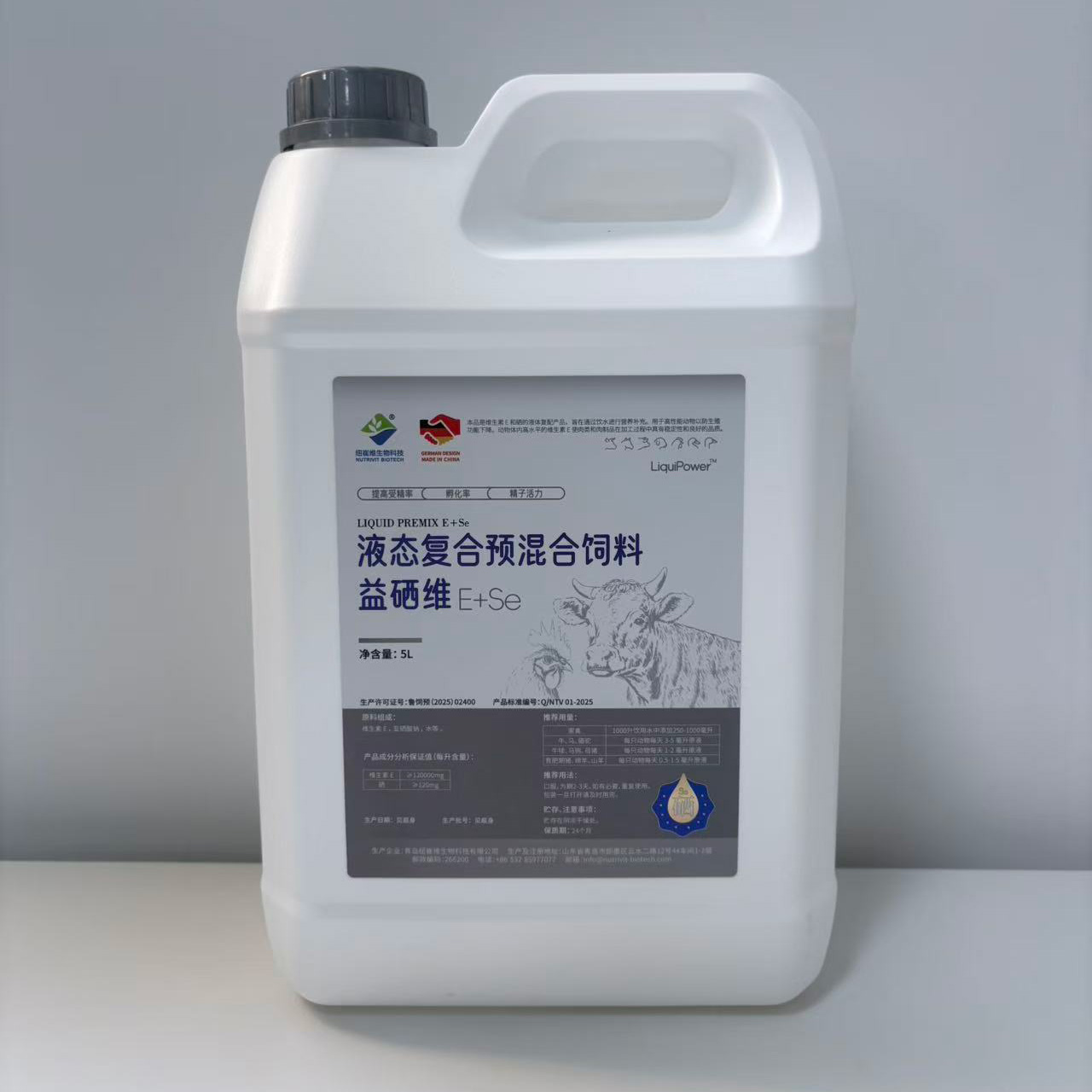
Intestinal Health as the Core Determinant of Innate Immune Function The intestinal barrier: First line of innate immune defenseThe gastrointestinal tract serves as the body’s largest interface with the external environment—making intestinal health th...
VIEW MORE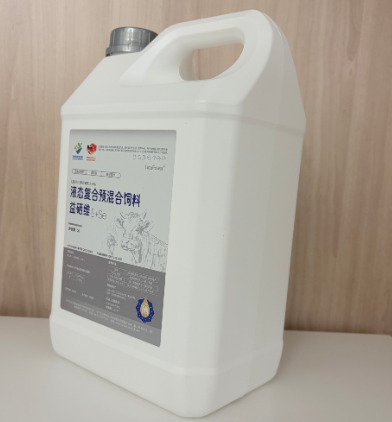
Why Liquid Vitamins Deliver Superior Immune Support in PoultryBioavailability Advantage: Rapid Absorption of Vitamins A, D3, E, and C via Water DeliveryLiquid vitamins offer a distinct advantage over dry feed additives by enabling near-instantaneous ...
VIEW MORE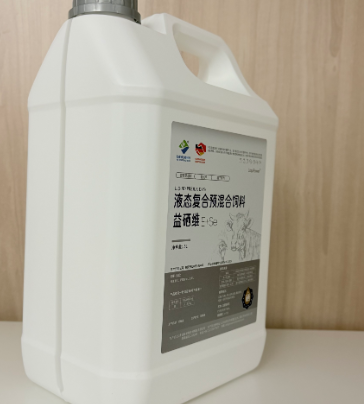
Core Methyl Donors: Choline, Methionine, and Betaine for Hepatic Lipid ExportHow choline and betaine support VLDL assembly and reduce hepatic triglyceride accumulation in periparturient cowsDuring the transition period, dairy cows face a high risk of...
VIEW MORE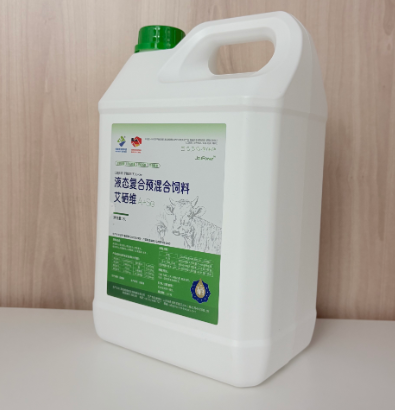
Why Liquid Vitamins Deliver Superior Bioavailability in Farm AnimalsLiquid vitamin formulations offer distinct physicochemical and biological advantages over dry alternatives, leading to significantly higher absorption rates in livestock and poultry....
VIEW MORE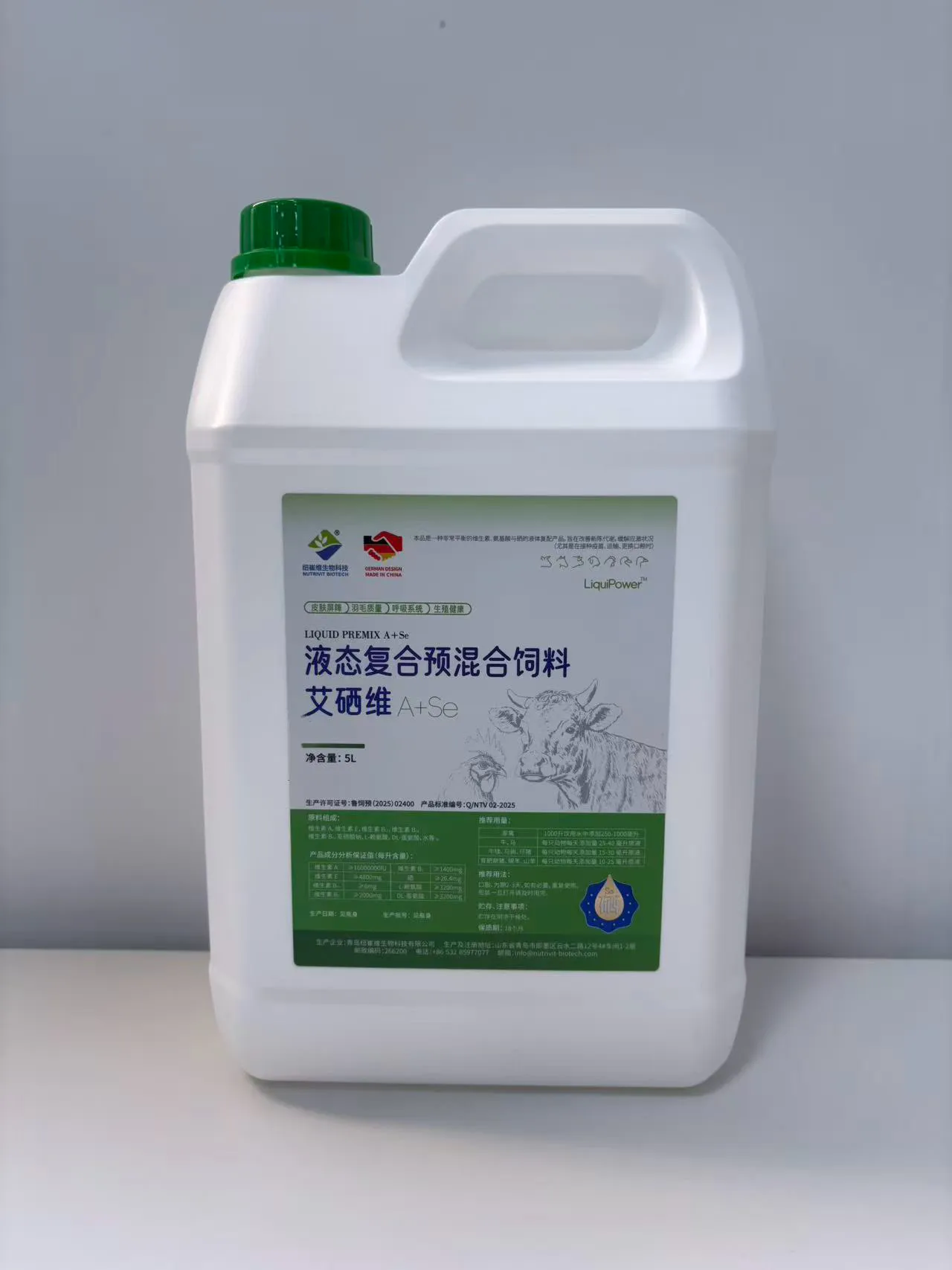
Liquid Vitamins Strengthen Antioxidant Defenses During Heat Stress Vitamin C and E Synergy in Neutralizing ROS and Lowering MDA Biomarkers Heat stress triggers excessive reactive oxygen species (ROS) production, overwhelming livestock’s natur...
VIEW MORE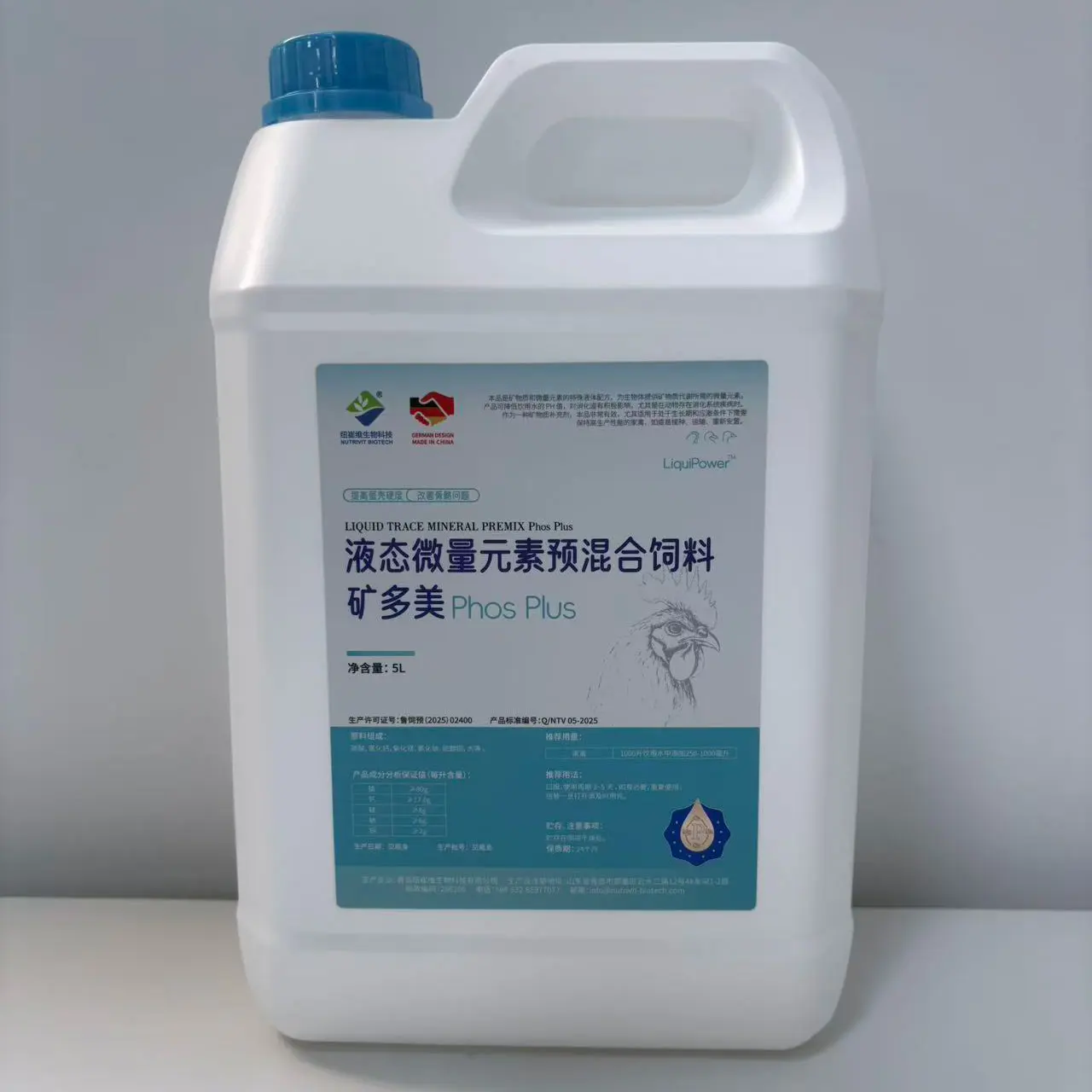
The Intestinal Health–Nutrient Absorption Nexus Anatomical and functional foundations: Villi, tight junctions, and transporter expression Intestinal health in livestock begins at the microscopic architecture of the gut lining. Finger-like vil...
VIEW MORE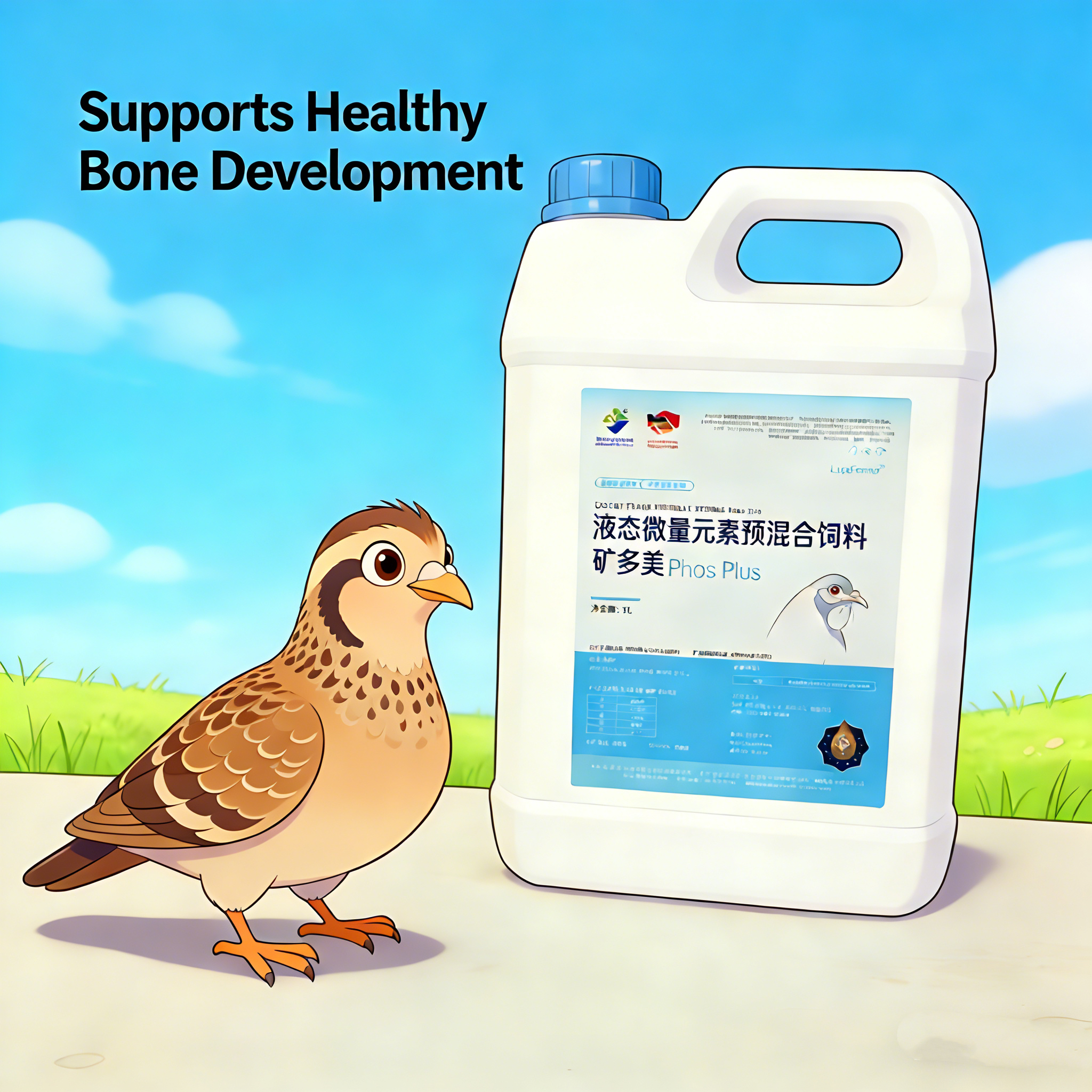
Bone Development in Early Life Determines Lifelong Skeletal ResilienceCritical Windows: Peak bone mineral density acquisition in broilers (16–20 weeks) and dairy heifers (6–8 months)Bone development in early life follows a narrow, species-specific wi...
VIEW MORE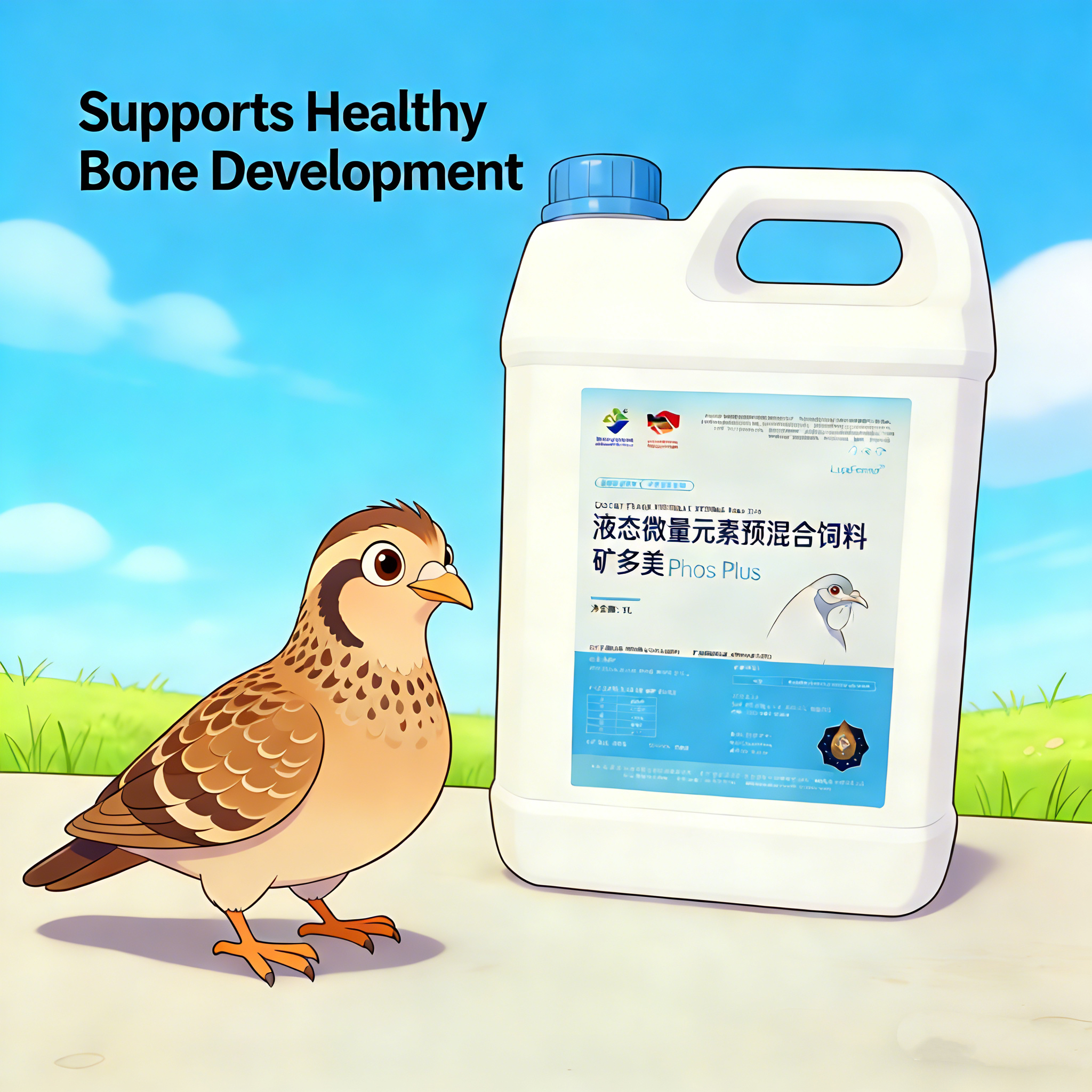
The Calcium-Phosphorus Ratio: Foundation for Structural Bone Development A precise balance of calcium and phosphorus is non-negotiable for optimal bone development in cattle. These two minerals form hydroxyapatite crystals—the structural matr...
VIEW MORE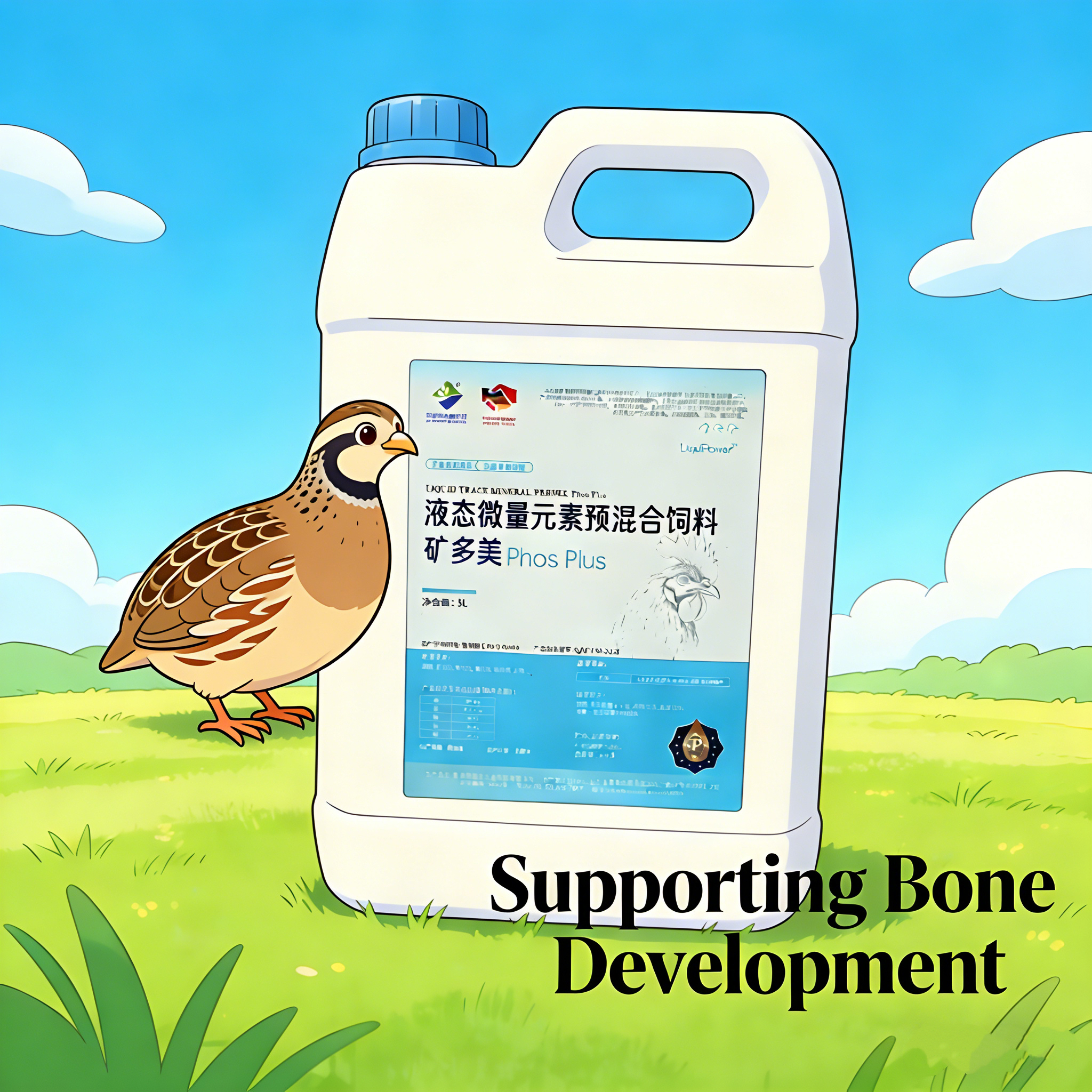
Manganese: Critical for Bone Matrix Formation and Cartilage Integrity Role in Proteoglycan Synthesis and Collagen Cross-Linking Manganese serves as an essential cofactor for glycosyltransferases—enzymes that assemble glycosaminoglycan (GAG) c...
VIEW MORE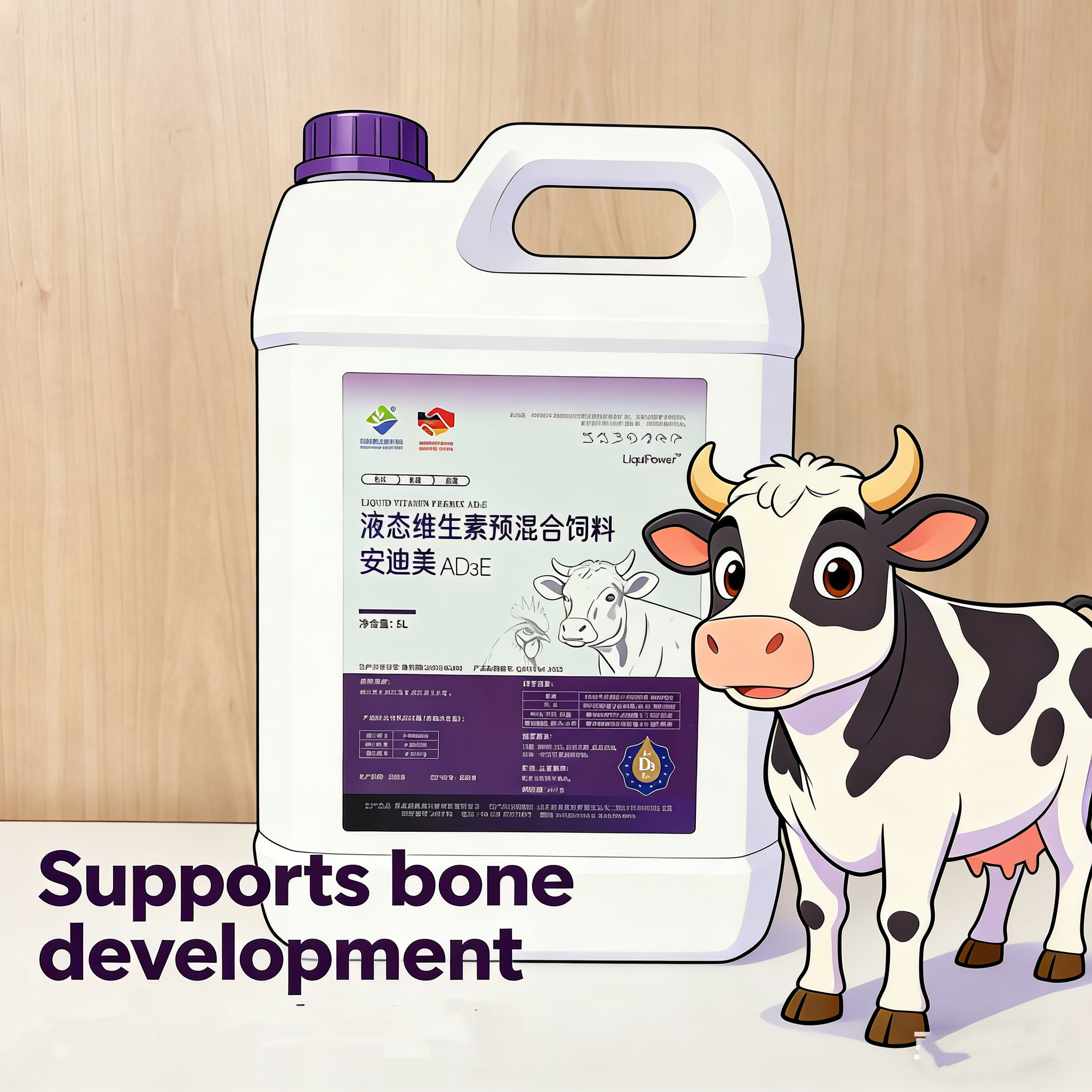
Bone Development as a Predictor of Reproductive Readiness in Breeding Females Delayed ossification and its correlation with postponed first estrus in gilts and heifers Bone development serves as an early physiological marker for reproductive maturi...
VIEW MORE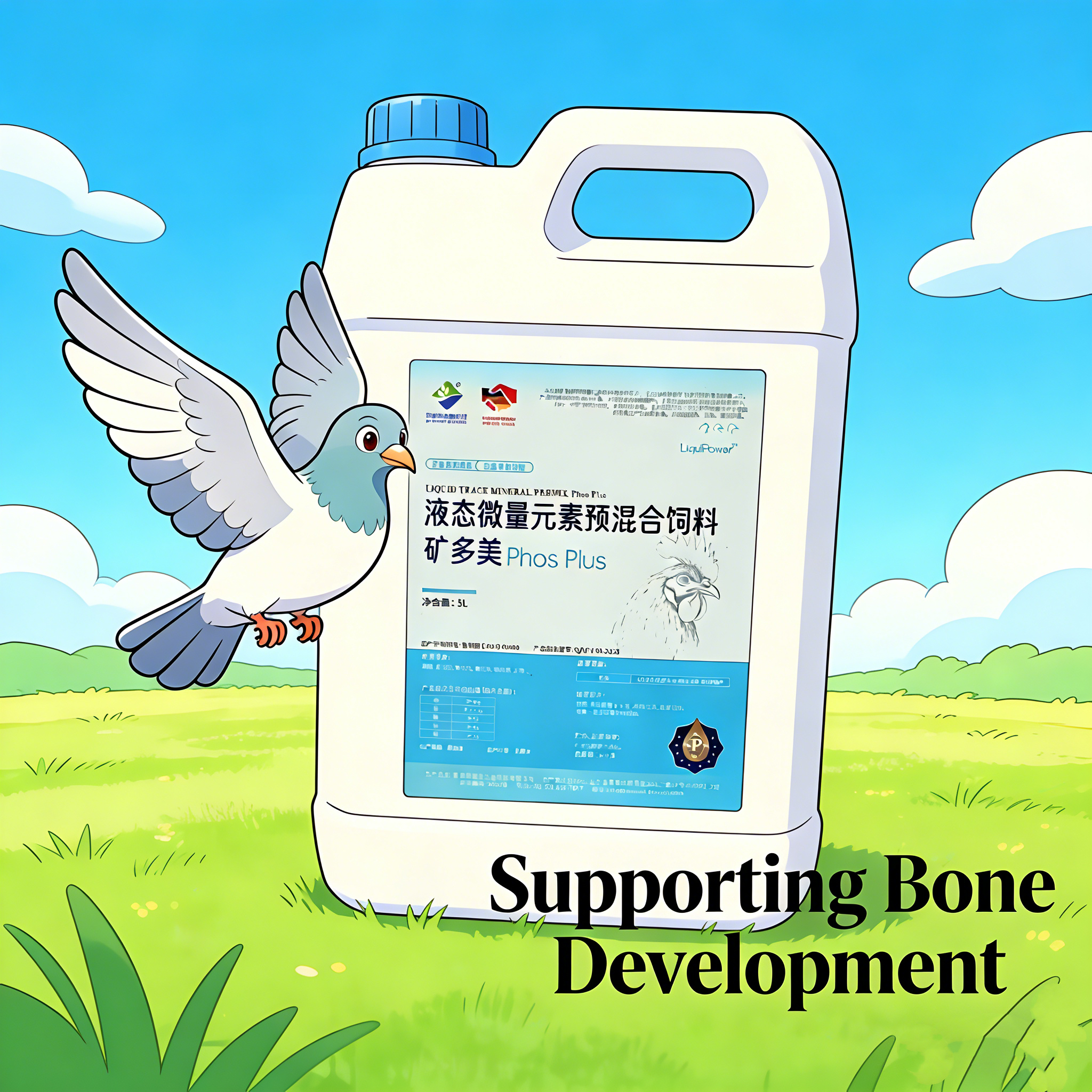
Why Bone Development in Young Poultry Demands Optimized Vitamin Delivery Young poultry undergo rapid skeletal growth during the first weeks of life, placing intense demands on nutrient absorption and utilization. Inadequate vitamin delivery during ...
VIEW MORE
Copyright © 2025 by Qingdao Nutrivit Biotech Co., Ltd - Privacy Policy
 EN
EN