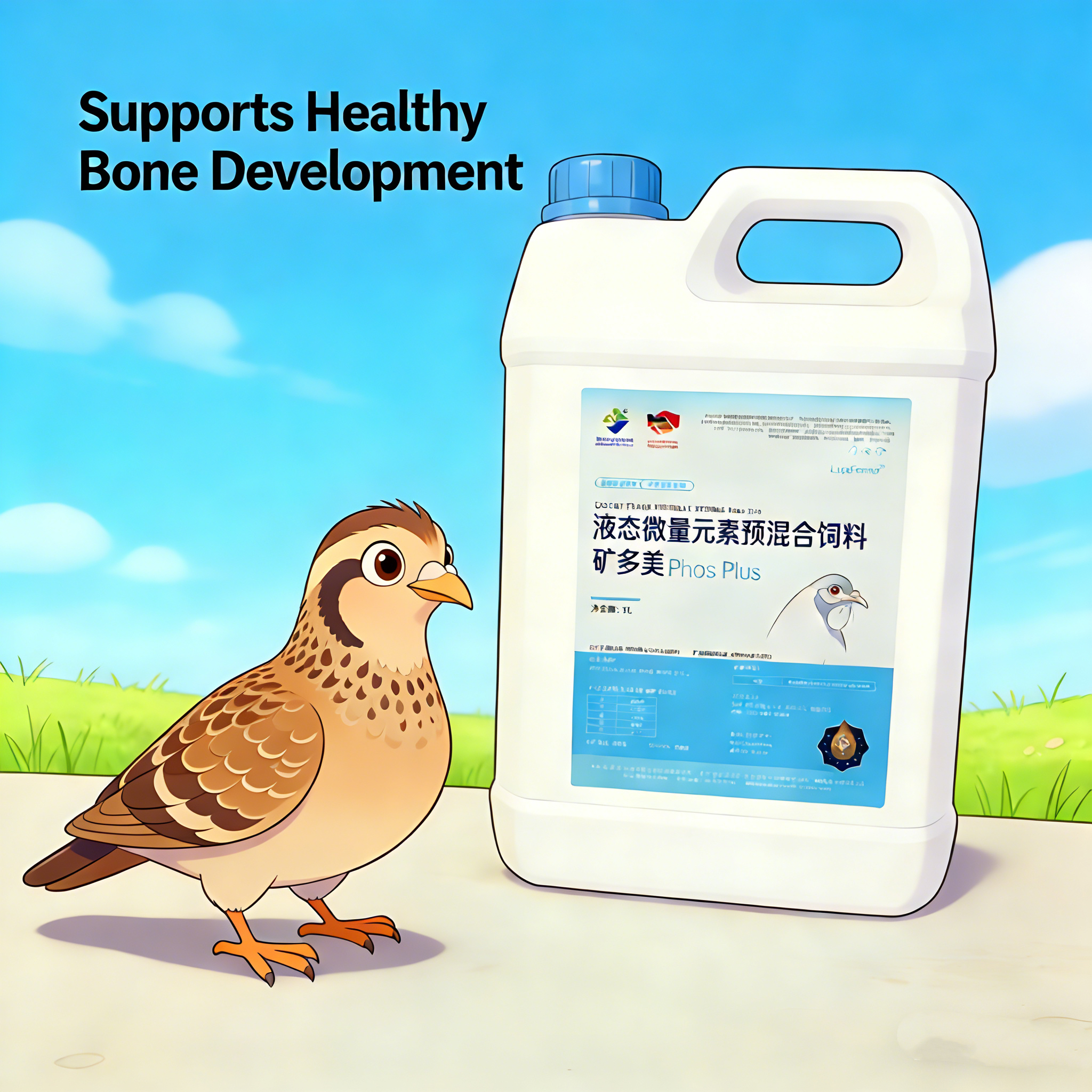
The Physiology of Bone Development in Growing Livestock Endochondral ossification and growth plate dynamics during rapid skeletal growth The process known as endochondral ossification is what allows young animals to grow taller along their skeleton...
VIEW MORE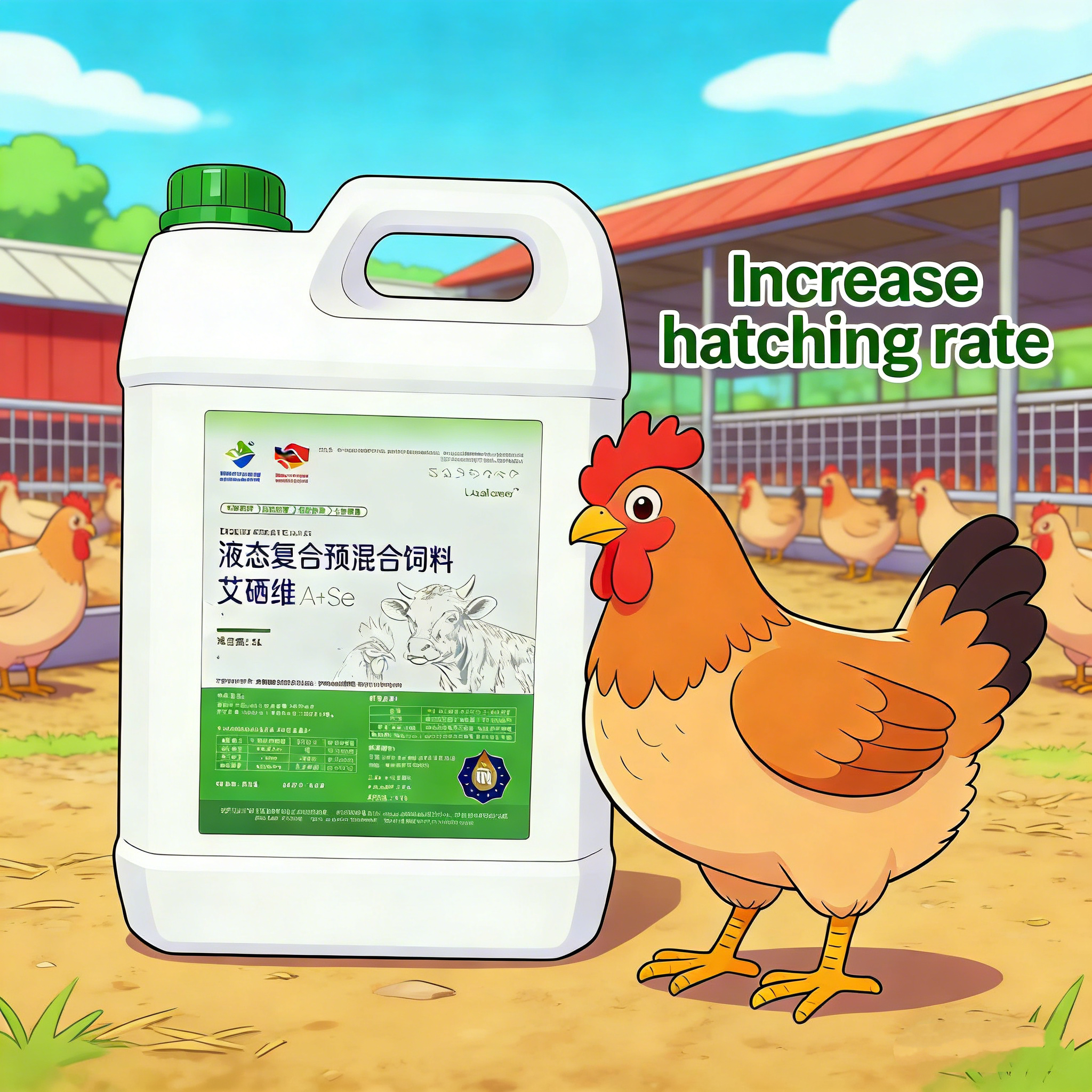
Hatchability and Embryo Viability: The Primary Indicators of Hatching Egg Quality Fertility, early embryonic mortality, and hatchability rates as predictive metrics for flock productivity The upper limit for hatchability in commercial settings sits...
VIEW MORE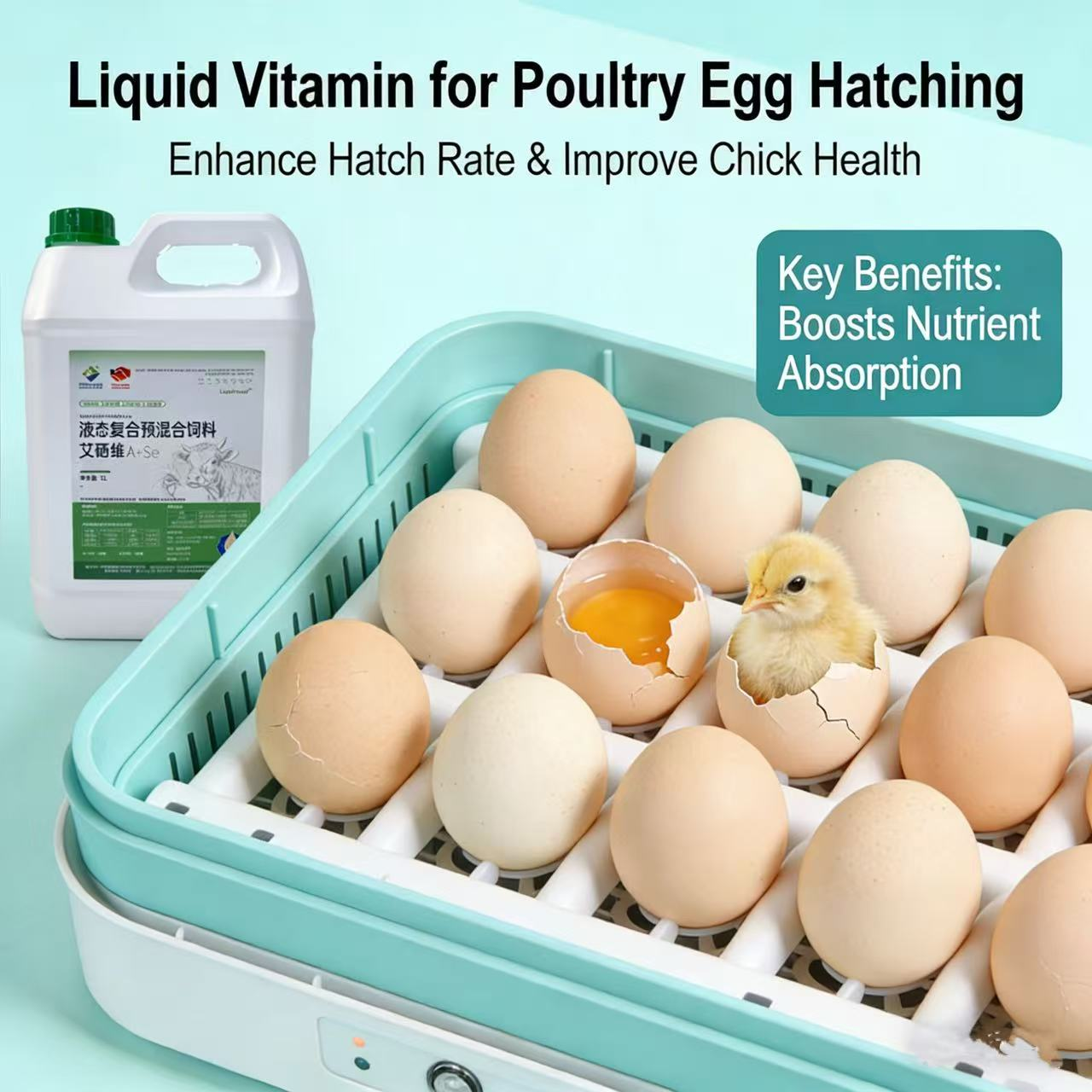
Vitamin E and Selenium: Antioxidant Protection for Embryo Viability and Hatching Eggs Storage Oxidative stress during storage directly compromises yolk lipids and embryonic membranes in hatching eggs. Free radicals attack polyunsaturated fatty acid...
VIEW MORE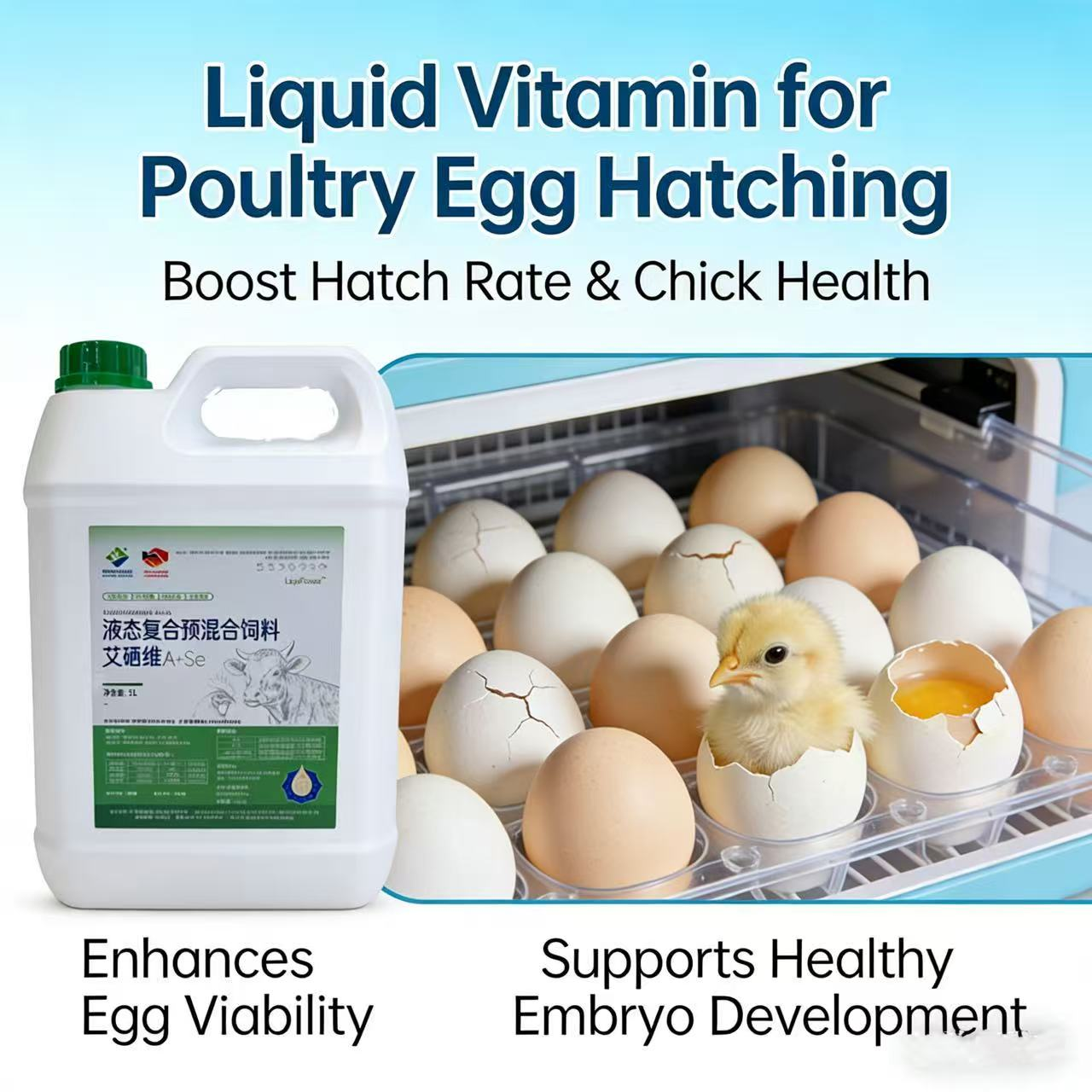
Nutrient Transfer: From Breeder Diet to Hatching Eggs Quality Maternal diet effects on embryonic development, hatchability, and chick vitality What breeder hens eat has a big impact on whether their eggs will actually hatch successfully. The import...
VIEW MORE
Selecting and Pre-Screening High-Quality Hatching Eggs Key Physical Criteria: Weight, Shell Integrity, and Flock Age Effects on Hatchability The ideal weight range for hatching eggs is somewhere between 50 and 65 grams. Eggs that are too light simp...
VIEW MORE
Vitamin E: The Foundational Antioxidant for Embryo Viability and Hatching Eggs How Maternal Vitamin E Transfer Protects Developing Embryos from Oxidative Stress The fat soluble antioxidant known as vitamin E moves from what hens eat into their egg ...
VIEW MORE
Maternal Immune Transfer: How Hatching Eggs Deliver Critical Immunity Hatching eggs serve as the primary conduit for transferring maternal immunity to developing chicks, establishing foundational defenses against pathogens during the critical early...
VIEW MORE
Hatching Eggs Quality Management: The Biological and Economic Linchpin From Fertility to First Breath: Why Pre-Incubation Integrity Dictates Hatchery ROI Hatching eggs start their biological development at fertilization, but what really matters eco...
VIEW MORE
The Strategic Shift: Why Supports Immune System Replaces Reactive Disease Control Livestock disease management used to depend mostly on reactive steps like antibiotics, vaccines, and sometimes even killing entire groups of animals once diseases hit...
VIEW MORE
Essential Vitamins and Minerals That Support Immune System Function Vitamin A, D, and E: Core Regulators of Innate and Adaptive Immunity Vitamins A, D, and E play essential roles in regulating both the innate and adaptive immune systems of livestoc...
VIEW MORE
Introduction to Liquid Vitamins and Livestock Immune System The immune system is the core line of defense for livestock to resist diseases which directly affects the health growth and production performance of livestock With the continuous develop...
VIEW MORE
Why Daily Nutritional Regulation Supports Immune System Function in Livestock The Link Between Consistent Nutrient Supply and Innate/Adaptive Immune Readiness Getting proper nutrition day after day means our bodies get those building blocks like am...
VIEW MORE
Copyright © 2025 by Qingdao Nutrivit Biotech Co., Ltd - Privacy Policy
 EN
EN